I do not envy the modern lifestyle. Working a repetitive, soul-sucking job where humans are required to behave like machines makes me feel dead inside. As Whitman alludes to many times, there is no insignificant job, and in any job I can use my imagination and share goodwill with all the world.
However, modern society will absolutely make you feel like a machine, if you let it. If you inside your little box-house long enough, staring at your picture-box, and eating things out of boxes, and arranging all your ideas into boxes inside boxes into boxes. You will forget that things without boxes can exist. Humans were not made to live life out of boxes, and boxes are not our natural state. It chokes you, for a reason. You feel constrained, for a reason. You feel tired, for a reason. You forget that you can unplug the box any time.
At least, I forget.
I forget, sometimes, that I am not a machine. Everything I do and say is so task-like, preprogrammed, and empty. I have to entirely unplug myself from social convention to, as Whitman says in Section 5, line 3, “loose the stop from [my] throat.” How dangerous is such an act. How deviant it is to wildly abandon the groupthink, without hesitation or apology. Every day I find myself straddling the juxtaposition of these two opposing principles, awkwardly balancing a medium between the two, so I can be free and yet stereotypically functional within the world. Deep within, or really not so deep at all, I yearn to be wildly free. Yet one cannot be wildly free and still be nondescript about it. How dangerous it is to unplug oneself entirely. How fundamentally disruptive to modern society.
Whitman’s teachings are fundamentally disruptive to modern society.
The modern way does not “ask the sky to come down to my good will,/Scattering it freely forever” (14:18-19) nor “tenderly…use…curling grass” (10:12). To embrace the sky is absurd. Society regards the sky as an inert ceiling, not a door. The curling grass exists for lawns and is meant to be mowed, of course.
Not according to Whitman. In a highly controversial move, Whitman tells us in Section 5, line 3, “Loafe with me on the grass.” To loafe means to just kind of hang out without any objective at all. When was the last time someone told you to just go hang out aimlessly? We are more familiar with the scolding, “Work harder,” than with someone telling us to do the complete opposite of work. Work less, says Whitman.
The feeling of Song of Myself is songlike, and slow. It is rhythmic and unhurried, like a long summer’s day spent loafing in the grass, celebrating your own existence for exactly no reason at all.
In the modern world, we are discouraged from doing anything for no reason at all. Everything must be productive in some way. Everything must be busy, and fast. All of my life is fast. Even my mind is fast. Even when the noise and stimuli stop, still my mind is chattering away like a sick seizing ape bouncing neurons around, deluded with the importance of objects, drunk on the toxicity of Normal and Daytime. Better to be an animal, as Whitman frames so beautifully in Section 32, lines 3-6:
They do not sweat and whine about their condition,
They do not lie awake in the dark and weep for their sins,
They do not make me sick discussing their duty to God,
Not one is dissatisfied with the mania of owning things.
We are erratic, thirsty, yet perpetually dehydrated beasts gone absolutely mad with the mania of owning things. Whitman makes an astounding proposition in Section 2, when he beautifully satirizes the fallibility of his own medium, poetry, which is revered and consumed by so many, who fuss over its mysteries, hoping to extract from it “the origin of all poems.” In line 20, he invites us, “Stop this day and night with me and you shall possess the origin of all poems.”
In other words, how do you get where you are going? Stop.
II. Stop.
Can you imagine the implications if we were all to suddenly, stop? If we put down our books, abandoned our work, and decided to wildly, recklessly play? How ever could society function if we all just looked at flowers? How on earth could we ever produce a commodifiable good?!
Perhaps, instead, a better question, is why is the production of commodifiable goods the ultimate goal of society? Is that really the best we can do? Is productivity and efficiency and material output really the prime potential of the oh-so-great and sentient homo sapiens?
Do we not call ourselves “enlightened?” Do we not call the era of rapid philosophical development the Enlightenment, out of which, we are taught, sprang the modern material era in which we now live? And if that is so, and modern man is, unlike his planetary cohabitants, enlightened in his world of materialism, then I ask you, where is that light?
I do not see it.
I see a world that is hungry and sick in its soul. I see a world of consumers and producers. I see a world of souls hammered into commodifiable goods and dissected to extract their most profitable components.
I see minds like televisions that have been on mute for years, and don’t even remember they are capable of song, so they purchase a laugh track for $9.99 to distract them from the SILENCE that is ABSENCE that we have not heard in so long that we are terrified. We hear the sound of our own breath, and ask in horror WHAT IS THAT MONSTER. We hear the music of the mind and it is alien. It is raw and real, alien and un-plastic, the same electric ahhh that hums through all of nature, innervating every membrane of dimension into sensation and form, and we cringe at it, because we do not know it.
We cringe at it because, like an animal kept in a cage its whole life, we neither understand nor desire to know the world beyond the cage. We are penitent, pitiful pets of some sadistic extradimensional creatures who feed on fear and hatred and by god we keep them well-fed. How disgusted we are by anything that lives outside the cage. How fearful we are of those beasts. How wild they are. How uncontained. How unenlightened. How vibrantly and violently the electricity of Being Alive pulses through them like electric shock even to the blazing profusion of a growl or a shriek? How uncivilized their UTTER ALIVENESS.
Look into the eyes of your cashier clerk or picture of success and tell me we are not dead.
Do you regularly, as in Section 1, line 1, “celebrate [your]self”? How often do you do that every day? Do you, as in Section 1, line 4, “loafe and invite [your] soul”? Have you invited your soul to be in attendance today? Would you even know its address?
Look into your own soul, and tell me, do you even recognize it? Or is it a formidable foreign land to you, once whose labyrinths you have yet never to wander? Have you met yourself? If you did, would you like her? Have you yet to meet a flower? Have you met the acid sky, the spray-paint grass, even the soft warm woodness of your desk? Have you met it for what it is, stopped to feel it and only it and do no other thing, felt and breathed its every scent and color with the unjudging eager attention of a lover (Section 3: 20-21, 24:48)? Have you even met your own body so? Or do we know these things only to be Things, as extensions to be utilized for production, as inert meat and matter, COMMODIFIABLE GOOD? Where does commodifiable good end and Realness begin? Is it the physical objects in closest proximity for which we most greedily perspire? Is it with our bodies? Is it with our minds? Are any of these things even ours anymore?
In Section 30: 1-3, Walter reminds us:
All truths wait in all things,
They neither hasten their own delivery nor resist it,
They do not need the obstetric forceps of the surgeon.
These questions Alice raises, and these precepts Walt proposes, are absurd and dangerous. Of course modern life is fulfilling. To hypothesize that it is not will create an error in the algorithm.
III. Play.
Let us dissect this hypothesis with the obstetric forceps of a surgeon and extract the cancer of fragmented meaning that so errantly has grown here. The cancer of inspiration can prove fatal to the organism, and is almost universally malignant to the capitalist-industrialist paradigm when left unchecked. Passion unbridled and a wild MOAN, an errant SHRIEK, an existential YAWN, a SITTING ON THE TABLE AT THE AIRPORT have been known to rapidly metastasize into the infectious WILD of a Being-Poem; and men will awaken to their own breath and love the taste, and they will laugh, and women will realize they are men, and men will realize they are cats, and children will giggle at the poem of this in the airport, and everyone will run around; and no one with a PriceTagNameTagVeryImportant will tell us to “stop,” and if they do, we will not hear them; or if we do, we won’t know how; because we have unstopped, and now unlive our lives in a single molecule of stretched-out simultaneous moment.
All of essence is available to us Forever And Ever Always Now in every flower and each breath (“All truths wait in all things,” says Section 30: Line 1), we need not wait. We need not painstakingly throttle life by the throat, choking it, dying to extract a droplet of Essence to haphazardly drip from its sponge-like skeleton for … we are so thirsty and the world is dead, and sick, and we meet ourselves at night in the blank white walls, and we meet the kiss of God in the sinews of our sweat within the grinding mechanical motion between Must and Pain; we feel Her So-Invasive Intimate Kiss, and it feels profane, it is so Everything, and I have stared at this screen for so long. My eyes burn, I stare and see nothing. My wild dendrites of yearning and yes are numb, and clipped, and freshly manicured for academic-industrial-workplace Exhaustion; drink this cup until you fulfill you unless you’ll drink it or die (or maybe you won’t, but Nobody’s lived to tell the tale). Is this not nonsense?
When the modus operandi of logical truth is actually nonsense, is absurdity not the only way to defy it? Is it not revolutionary to be absurd? Are Whitman’s truths not absurd by the standards of society?
“I exist as I am, that is enough/ If no other in the world be aware I sit content,” he declares in Section 20: line 25. Wait, what? What about all the things you need? What about all the things you have to do, all the modifications you need to make to your body, all the goals you need to accomplish, all the toys you need to buy? What about all the friends you need to impress, all the legitimacy you need to obtain through the recognition of other people? To say “I am enough,” is a counterculture act.
Please, the world will say, package up your aimless abstractions and deposit them in the Recycling for they are simply cluttering up productive space which could be occupied by an advert. You’re not good enough, be hungry, and purchase some accessories on your way out the door. Nobody has time for your abstractions, Alice. They are absurd, and you will be expelled from the belly of the capitalist organism like an acidic virus we must vomit up. You will destroy it from within.
Would such expulsion really be horrific? Is freedom from containment, in fact, the worst we fear? If that is why we are not wild, then, by all means, please expel me! If that is all we fear, why don’t we do the ridiculous things we always want, and sit on tables supposed to be chairs? Stop showing up? Check out completely? Look at a flower? Drop our tools? Forget our plans? Put down our phones and drink the sky? Would that really be so bad?
We live inside of paper plastic prop-up houses fabrications of fabrications of fabrications of fabrications of something that resembled a Real Thing once. Now it is “more convenient,” and dead, and made of Styrofoam. Mankind is dead, and our minds are made of Styrofoam. We don’t dislike it, because we don’t remember how. We are Styrofoam bubble-wrap brains that pop Reaction at pre-programmed synapse site. We simulate original emotion, but oh, it has been ages since we have felt a real thing. We numb the impossibly potent penetration of syringical injection of love and dying (events that command us to genuinely feel) with So Sorry Feed Me Baby Eat Me Like A Rich Food (consume another person). We have packaged even that into commodity.
In the crevices between the tectonics plates of moment, we feel the ache of dissonance on occasion. It grinds like Old, though we are Yet Young, and have forgotten. Ever since we picked up tools and found our “civilization,” we’ve forgotten how to delicately finger the velveteen skin of a single blade of baby grass. We have forgotten how to loafe. We have forgotten that we are happy; and that this is not a test, this is a game; that we are not mute, we are laughter; and all the world breathes with us in this music we need only to hit
play
play with me, stay with me, flowy lotus of nonprocedural juxtaposition of chaos and complexity utterly devoid of catechism drippingly infused with sex-sweet nectar of holographic need (only, now.).
Such is my prayer, my invitation, and such was Whitman’s.
The invitation begins, “Forget your plans.”
This invitation is to my own soul, my own soul only. This song is to you, my soul.
I might not tell everybody, but I will tell you. (19:17)
I am telling you, my soul. Hear my invitation, for I love you. I recognize your presence. I have not heard your voice in so long. I have told you my secrets. Now, I can do nothing but listen.
Ludwig van Beethoven is one of the most renowned composers and pianists to walk the earth, even nearly 200 years after his death. Credited with writing 9 symphonies, 32 piano sonatas, 5 piano concertos, 16 string quartets, and countless other works, the man left quite an impact on the world. However, the life of this musician was not as splendid as one might be inclined to assume.
It is unknown for certain when Beethoven was born, but due to when the musician was baptized — December 17, 1770 — it is readily accepted he was born on or very near December 16, 1770. He was the oldest of three children born to Maria Magdalena and Johann van Beethoven in Bonn, Germany. Beethoven was introduced to music by his father at a young age, first in the form of the clavier, and then in the form of the violin. However, this was not a pleasant experience for the boy as his alcoholic father was often physically abusive toward him. There are multiple accounts of the little boy being beaten, deprived of sleep, or thrown into the family cellar by his father for any mistakes or hesitation while practicing music. Still, the boy developed not only talent but a love for music as well and performed his first concert at the age of seven on March 26, 1778. His father announced he was only six, because Mozart had been six at the time of his first performance. This ultimately led to Beethoven believing he was younger than he really was, even after being presented with his baptism certificate. It is unknown whether his brothers, Caspar and Johann, were also trained as musicians when they were born.
Meanwhile, the boy was attending Tirociniun, a local Latin school. He struggled to maintain proper grades, as school did not come easy to him. It has been theorized the composer might have been dyslexic. In his own words, “Music comes to me more readily than words.” Beethoven, however, did not have to struggle with school for long. He was withdrawn from school to study music full time with Christian Gottlob Neefe, the Court Organist, at the age of 10. Under Neefe’s wing, Beethoven published his first composition by the age of 12 and became the official Assistant Court Organist in 1784 at the age of 13. Finally, in 1787, the court sent him to Vienna to study music and composition. Legend states here Beethoven studied under Mozart, but there is barely enough evidence to support Beethoven having met Mozart, let alone studied music theory and composition under him during this short time. Only a few weeks later the boy returned to Bonn after receiving word his mother’s health was failing. By this point, he was the one supporting his family as his father’s drunkenness worsened and prevented him from being a productive member of society.
Beethoven returned to Vienna in 1792, hoping to study music under Joseph Haydn, who was accepted as the greatest living musician of that time. He did indeed study piano with the man, as well as counterpoint with Johann Albretchsberger and vocal composition with Antonio Salieri, both of whom were also considered top musicians of that age. Word spread of this rising musician with a gift for improvisation, and Beethoven made his debut in Vienna on March 29, 1795, supposedly performing his piano concerto in C Major. Soon after his debut Beethoven published his “Opus 1,” which turned out to be incredibly successful both in terms of monetary gain and critical review.
Still Beethoven’s success continued to grow, leading to his performance of his Symphony No. 1 in C Major at the Royal Imperial Theatre of Vienna. His performance was incredibly successful, leading to become even more famous and anticipated. This piece successfully established him as one of the top composers of the age, though the musician would later grow to detest that composition.
After this performance Beethoven continued to compose. His work of that era included a popular ballet titled The Creatures of Prometheus performed at the Royal Imperial Theatre of Vienna over 25 times and “Symphony No. 3” (also known as the “Eroica Symphony”), published in honor of Napoleon in 1804 directly after he declared himself emperor. The “Eroica Symphony” yet again established Beethoven as something spectacular. This piece was incredibly different from anything that had been composed up until that time. In fact, it was so different in style during rehearsals the musicians struggled to understand how it was to be played.
After this, Beethoven decided he was ready to leave Vienna. Before he could do so, his friend Countess Anne Marie Erdody struck a deal with him. As long as he stayed in Vienna he would be paid a large annual sum, allowing him to live without worry of supporting himself or his family. By accepting this deal, Beethoven became one of the world’s first independent composers, not working for a church or any other group. This granted him complete freedom over what he was allowed to write and when he would write. Between his musical freedom and the large sum he was receiving, Beethoven experienced some of the best conditions musicians had been granted up until then.
Unfortunately, things would not continue to be easy for the composer. Around this time, Beethoven realized he was going deaf, though he would do everything within his power to conceal this fact from the public knowledge for as long as he possibly could. The weight of this deafness caused the man to fall into a numbing depression and struggle with suicidal thoughts, as well as an anger and hatred toward mankind. The man had already been an introvert up until this point, but after this he became downright antisocial and hostile. He fought with everyone around him, and he even went as far as to attempt to break a chair over the head of on of his closest and only friends of that time, Prince Lichnowsky. He wrote:
I must confess that I lead a miserable life. For almost two years I have ceased to attend any social functions, just because I find it impossible to say to people: I am deaf. If I had any other profession, I might be able to cope with my infirmity; but in my profession it is a terrible handicap….O you men who think or say that I am malevolent, stubborn or misanthropic, how greatly do you wrong me. You do not know the secret cause which makes me seem that way to you and I would have ended my life — it was only my art that held me back. Ah, it seemed impossible to leave the world until I had brought forth all that I felt was within me.
Despite his increasing deafness and hostility toward the world and everyone who was occupying it, Beethoven continued to compose, at times claiming music was the only thing convincing him to keep going in life and not take his own life. He composed over 100 pieces during this era, ranging from overtures and trios to symphonies and concerti. His work during this time included the incredibly famous and beloved “Moonlight Sonata” and Fidelio, which was the man’s only opera.
One theory for Beethoven’s deafness is arterial disease, as it explains not only his deafness but also his quick temper and moodiness. It is more readily accepted, however, the cause of his hearing impairment and ultimately deafness was the nasty typhus he battled over the summer of 1796.
Beethoven’s challenges continued in 1815 after the death of one of his brothers. He engaged in an enormous custody battle with his sister-in-law over her son and his nephew, lasting for seven years. Ultimately, Beethoven won the legal feud but lost the respect of many of his family members, including his nephew. Soon after this, Beethoven lost the majority of his beneficiaries and began to struggle financially to support himself and the family he felt such loyalty to and responsibility for.
However, Beethoven’s challenges were not over even here. The musician, who was entirely deaf by this point, lost his eyesight as well. What would have ended the musical careers of most composers only seemed to spur Beethoven on. During this period of his life Beethoven composed some of his most beloved pieces, such as his Missa Solemnis. During this period he also composed what can possibly be considered his most famous piece of all time, his “Symphony No. 9,” simply referred to by many as “Beethoven’s Ninth.”
Before going blind, the composer fell in love with a woman by the name of Antonie Brentano. He wrote her a letter over the course of two days in 1812, but he never sent it. The letter stated: “My heart is full of so many things to say to you — ah — there are moments when I feel that speech amounts to nothing at all — Cheer up — remain my true, my only love, my all as I am yours.”
However, nothing would ever happen between the two. Unfortunately Brentano was already happily married when the composer developed feelings for her. It is believed she was the only woman Beethoven could ever bring himself to love.
The musician passed away on March 26, 1827 at the age of 56 in Vienna, Austria due to a post-hepatitic cirrhosis of his liver. Recently scientists examined fragments of his skull. They found high levels of lead, which causes some to believe the man died of lead poisoning instead. However, this theory is controversial and highly unpopular with most, as immediate evidence was found at the time of Beethoven’s to point to post-hepatitic cirrhosis of the liver. Yet another theory for Beethoven’s death is he died of a common cold, but once again this theory is not readily accepted, especially within the medical community.
He died without a family to bear his legacy or a son to carry on his lineage, as he never married or had children of his own, between his distaste for humanity and his supposed relentless heartbreak over Antonie Brentano. The closest thing he had was his nephew, Karl van Beethoven, who still hated him at this point in time. Though he didn’t have a family of his own, he had a large number of supporters. An estimated 20,000 people attended his funeral. The man’s last words were, “Plaudite, amici, comoedia finita est,” which translates from Latin to “Applaud, friends, the comedy is over.”
Beethoven faced many challenges over the course of his life; the odds were almost always stacked against him. Even so, Beethoven worked to overcome all he faced in order to produce the music he so loved. Through every situation, even overwhelming depression, he clung to music in order to find purpose. He faced financial peril, blindness, and deafness, and still the man is known as one of the greatest composers to have ever walked the face of the earth. Ultimately, Beethoven is a perfect example of why one should never allow challenges to stop one from achieving one’s dreams, even when those challenges seem like they should reasonably end all possibility of success, such as deafness to a musician.
Bibliography
“Beethoven Piece Is Discovered After 192 Years.” CORDIS. University of Manchester, 25 Oct. 2012. Web. 20 Sept. 2016.
“Biography: Beethoven’s Life — Ludwig Van Beethoven’s Website.” Ivbeethoven. Ivbeethoven, n.d. Web. 24 Sept. 2016.
“Ludwig Van Beethoven Biography.” Biography.com. A&E Networks Television, n.d. Web. 19 Sept. 2016.
Nancy Drew! The Hardy Boys! But mostly Nancy Drew! It really is mostly Nancy’s story, with the occasional visit from Frank and Joe, who are concerned with their own side-mystery for most of the story. Nancy is trying to enjoy a little vacation with her buddy on a cruise ship, but suddenly your typical American CIA-kid snob clique shows up and spoils the whole thing, what with their espionage, treason, murder, and the usual CIA-kid snob clique shenanigans. I haven’t read a lot of either Nancy Drew or Hardy Boys adventures (I was mainly a 3 Investigators guy growing up), but this does bring an immediate since of much-welcome nostalgia. Sure, there is mayhem and murder and other unpleasant things (with a bizarre undercurrent of romantic flirtation between Nancy and Frank, despite her immediate commitment to put the kibosh on that … until the next chapter), but this takes us back to the good ol’ ’80s spy adventures of Remington Steele, Scarecrow and Mrs. King, and the like. It was a good time, and this “super mystery” (not all that much of a mystery, really, since the author gives us enough obvious clues and red herrings throughout so we can figure it out fairly easily) sends us back there for a good romp. Though, we are left wondering why Nancy keeps allowing herself to get trapped, bamboozled, and tricked at the end of every chapter.
Agatha Raisin and the Quiche of Death (Agatha Raisin #1), M.C. Beaton ⭐⭐
The title of this book, combined with the early protagonist characterization of Agatha Raisin starting to read lots of Agatha Christie novels, lends one to think this is going to be a humorous spoof romp of a mystery, filled with Magnum-like winks to the audience, classic mystery callbacks, quirky sidekicks and townsfolk, and a whole lot of fun.
That’s not what this book is, however. Agatha Raisin is rather petulant, cranky, and self-centered, despite her purported attempts at self-improvement. Roy, the former employee-turned-periodic sidekick/plot catalyst, seems like he is going to become a fun and helpful foil, but he ends up being a self-serving potty-mouthed jerk. The idyllic townsfolk are somewhat helpful and kind — disappointingly, Ms. Beaton makes the village parson the meanest hypocritical jerk of the regular community, not including the “townies” element. Yet, one must be patient. The poor lady (our “hero”) has just ended a rather long span of her life and is trying to begin a new life, and it sort of looks like she accidentally killed a beloved neighbor guy her first week of her new life, so getting to know people and secure a fresh start is rather challenging. Plus, the first book of a new series is always a bit of a jumble. Fer-de-Lance is certainly not the most enjoyable Nero Wolfe adventure. Thus, if Ms. Beaton tones down the “see how I am suffusing this book with authentic directions and topography because I live there?” descriptions, tones down the unnecessary saltiness, and increases the light attitude the title and heroine’s name intimate, this series may become something interesting. (Since I know there are 20-some entries in the series by now, apparently some people think this character is worth treasuring.)
If Death Ever Slept, (Nero Wolfe #29) Rex Stout ⭐⭐⭐
Another “Archie has to move to a client’s home to do inside investigation story,” this has a bit more to it than some of the others in that Wolfe sub-genre, though at times it does suffer from that sub-genre’s middle-slowdown pacing. The “extra” this one has is mostly at the beginning, with the very humorous clash between Archie and Wolfe about Archie even taking the case or not, eventually leading into Wolfe getting dragged further and further into a case he never wanted in the first place. Another twist is the client is absolutely sure who the guilty party is and insists Archie finds the proof. Naturally, Archie is opposed to this sort of thing, and his personal quest becomes another strange layer of “proving the client wrong” — a client he, too, is not keen on but got mostly to get Wolfe’s goat. Archie investigates the only likely group of suspects in the case, stumbling accidentally onto the title, a line of poetry written years ago by one of the suspects (a mostly unrelated expression at the time of its arrival, considering the crime Archie is investigating is insider trading having nothing to do with death). The case takes menacing and deadly turns, eventually, and Wolfe is dragged fully into it, leaving us guessing the identity of the guilty party (or parties?) more so than usual. Not too shabby, despite the slowdown in the middle.
So mostly fantasy, mystery, some kid books, and a teensy-weensy bit of grown-up history — basically, the book version of the other list I did in this issue. Ah, well. C’est moi. In any event, it’s very nice to be back with you again, friends! See you at Christmas!
A Game of Thrones (A Song of Fire and Ice #1), George R.R. Martin ⭐⭐⭐
I’ll go with 2.5 stars rounded up, how’s that. I’m not really sure I “liked it,” since there is very little content in here (including characters) we are really supposed to “like” in any traditional sense. As the high-school toddlers who recommended (and leant) it to me warned me at the outset, “all the characters take turns playing the bad guys.” And by jingo, they were right. Sure, you may say this is more “realistic and gritty” for a medieval-fantasy-type story, when life is hard and smelly and morals are subsumed under survival. That’s fine. This is a “grown-up” fantasy.
My two main issues, apart from the gratuitous stuff (which is likely the main reason why it is popular on television), are 1) there’s no overt point — the characters are just doing their thing, living their lives, reacting to what has been decided around them. That may add to the “realism” of the world, but I can’t help but contrasting it with The Wheel of Time. That series is much different, and I like it better for those differences: there is a goal, the story is heading somewhere intentionally (even if at a languorously snail’s-crawl pace) — there is a clear “bad side.” The “good side” of TWoT is not so straightforward, so I’m not necessarily faulting GoT for not having “pristine, angelic-like John Wayneish heroes.” TWoT has flawed, “shades of grey” heroes all over the place, possibly just as “Biblically unmoral” as GoT (though much less explicit about it).
Perhaps you’ll say “oh, there’s definitely a point to GoT: Dany is going to reconquer the Seven Kingdoms, marry Jon Snow, destroy the Lannisters, raise Tyrion as Ruler of Everything Else” and all sorts of other stuff only you know about having seen/read beyond book 1. Well, maybe. But I don’t get any of that sense from the book itself. Things just happen. Which leads us to my 2nd issue.
2) most of the book is reaction, not action. Yes, a few key things happen “on screen” (still talking about narrative focus in the novel), but so much of the book is just “apparently some time has passed, and here’s what they are thinking about now.” The passage of time is horribly haphazard, it seems to me (perhaps Mr. Martin has everything calendared out, which would be swell). We get hundreds of pages setting up to Ned Stark’s climax … and it barely is mentioned indirectly when Arya is sort of not looking. Out of seemingly nowhere, armies have started terrorizing the countryside … why, because Catelyn snatched up Tyrion? Is that why? A bit unclear, really. (Maybe I’m just a bad reader.) I understand this can be a fine way to move the story along without going over every single detail (in stark, so to speak, contrast with TWoT), but so much of the “action” in this novel was “reaction,” reaction to things we haven’t really experienced. Maybe you real fans like that; I found it a bit niggling. That’s me. I’m probably wrong. I’ll keep reading the series, though, mainly to see how it ends, I guess (I hear some unspeakably grotesque things will happen soon, so we’ll talk about that when I get there).
A Clash of Kings (A Song of Ice and Fire #2), George R.R. Martin ⭐⭐⭐
Continuing shortly from A Game of Thrones, A Clash of Kings broadens both the character base and geographic areas of Westeros. New characters such as Stannis Baratheon, Davos Seaworth, and Brienne of Tarth give us more people to actually root for (well, maybe not Stannis) in an otherwise grim and unfriendly land. The Starks continue to encounter nothing but problems: Arya is trapped between King’s Landing and Winterfell, Sansa is trapped in King’s Landing, Robb is doing his thing (he spends almost no time in the forefront of the action in this book), Bran is still crippled though gaining special dream powers, Rickon is still a whiny baby, Jon is still unsure of himself in the wintry regions beyond the Wall, and Catelyn is still choosing to be with her father instead of returning to be with her own helpless children. Meanwhile, things aren’t going much better for Tyrion, even though he has a great deal of power and influence now. Since no one trusts him or credits him, everything he does to save the situation for his family and the city is largely ignored. Daenerys is still over in the sands, trying to find passage to Westeros. The only significant aspect of her storyline this book is the expansion of our understanding of the diverse cultures of Esteros. Other than that, her story is rather uninteresting this time around.
This second book still has the ubiquitous graphic content, no doubt for some sense of “authenticity” of this fantasy world in a sort of Late Middle Ages setting, but it’s not any more than the first book. It’s best to just skim/skip over that stuff and try to focus on what’s going on … which isn’t all that much. This is mostly a reorganizing of players and plots sort of book (until the slam-bang finish).
Like the first installment, a great deal happens between chapters, since we are given the limited perspective of a handful of characters who are usually away from the major events themselves. The “Clash of Kings” is a bit of a misnomer as well, unless by “clash” Mr. Martin means some sort of group, such as a “murder of crows” or “pride of lions.” There is certainly a brief “conference between kings” toward the middle, and a definite clash happens in the slam-bang finish, but it’s not really between kings. Even so, the general story does get a bit more interesting thanks mainly to the new characters. The aftereffects of the poor decisions in the first book continue to resound. Some mysteries are sort of explained, new possibilities for old characters are finally enabled, and desperate situations force our “heroes” into life-altering (again) situations, setting us up for a very exciting third installment.
A Storm of Swords (A Song of Ice and Fire #3), George R.R. Martin, ⭐⭐⭐⭐
Well, that was a bit of a roller coaster. I give it 4 stars not necessarily because I think it is a great book, but it is certainly superior to the first two in the series, acknowledging of course it does not have to do the same things the first two do and benefits from their scaffolding tremendously. Yet, Mr. Martin did not disappoint with that underpinning, which is why it deserves its merit on its own. Some people seem to revel in the “woah, I didn’t see that coming!” aspect of the series — though, taken literally, were that completely true, that would be a sign of poor writing on Mr. Martin’s part, so while most of the surprises are unexpected and we didn’t see them coming, the well-craftedness of them upon further reflection demonstrates them as wholly believable and consistent (even the last page, yes).
This book reminds us more than the first two Robb Stark is not a main character. At best, he is a supporting character. He never has any POV chapters, he spends almost no time “on stage” during Clash of Kings, he is always seen in relation to his mother (not a bad thing, but not a sign of his individuality or importance), and clearly he is young and makes mistakes — but when you are styling yourself as a king, making mistakes along the lines of betraying your most populous supporters is a really bad mistake to make.
Catelyn Stark, likewise, doesn’t seem terribly capable of making proper decisions either. She laments she is far from her two children who need her, acknowledges she doesn’t need to be with Robb, yet she doesn’t go back to protect Rickon and Bran and stays with Robb, effectively selfishly staying with her own father (for whom she does no good either) and away from her family who needs her. In other words, she’s not really any different from her sister. And she may be worse, since she makes almost all of it worse from what she did in book one to Tyrion.
Speaking of Tyrion, this guy really has a rough time in this book. We know he is the hero of the Battle of Blackwater and is effectively single-handedly responsible for saving King’s Landing, but no one else seems to. And things get worse for him throughout the book: everyone abandons him, people who know better allow their minds to be changed about him, and he is literally in the pits as the book closes, with him having lost just about everything.
Meanwhile, Dany has gained quit a bit … but her storyline is again wholly uninteresting and possibly less interesting than Bran’s storyline. She feels betrayed by practically everyone, becomes a misguided social justice warrior (not that I think freeing slaves is a bad idea, of course, just that she is easily distracted from her purpose without thinking through what the next step after freeing the people is — how will they live?), switches heroes, and effectively abandons her main goal by the end. The only good thing about her story is the reintroduction of a noble man we haven’t seen for a while.
Jon Snow does some things in this book as well. They are somewhat interesting and sad, as usual. Sansa is also in this book, mostly passive, as usual.
The new characters in this book are engaging (the new characters usually bring a vivacity to the new book), especially as we get a clearer pictures of the southern kingdoms around Highgarden and Dorne. Truly the highlight of this novel is the Adventures of Jaime and Brienne storyline. It is such an odd pairing but somehow Mr. Martin makes it work very well. The only bad part about it is it ends. Not only is it a very welcome addition to finally get inside the head of Jaime Lannister, but hearing from him what happened before the first novel began sheds some interesting light on these people and their recent history (which is still a bit confusing). Jaime, though, is also part of the saddest moment of the whole book, his final parting from Tyrion — this is such a disappointing moment for many reasons (which is probably why Mr. Martin wrote it the way he did). “Weren’t there other, sadder, more shocking moments in this book!?” you exclaim. Sure, sure, I suppose — but, frankly, none of them (by “them” we mean “deaths of seemingly major characters”) were all that surprising, and more frankly, some of them were rather welcome.
The other odd pairing is certainly Arya and Sandor Clegane, an odd couple that doesn’t have the same vivacity as the Jaime and Brienne Story, but it is much more interesting than, say, everything with Robb, Catelyn, and Sansa, that we are a bit sad when it ends, though glad Arya is finally going somewhere with the possibility of some meaning.
This book is replete with “so close”s — many of the characters who have been trying to reconnect with others are a gnat’s wing away in space and time from achieving some sort of positive reunion … but that’s not how Westeros operates. The spatial proximity is likely supposed to add to the bitterness within us when the planned salvation/reunion occurs, but by this time we have become so inured to it, most of them just end up being obvious foreshadowings of inevitable failures and (perhaps unintentionally) actually cushion the blows.
Let’s see, what else … oh, yes. Davos is in this one as well, being a great bulwark for morality and honor, having lost his “luck” in the Battle of Blackwater (and most of his children) but gaining perhaps a clearer vision of what is right and somehow presses that upon Stannis. Good for him.
We finally get a better look at Wildling life, which isn’t so bad, but discipline, it turns out, is indeed superior to sheer numbers after all (one of the few things Ned Stark seemed to get right). What we don’t get any good look at this time is the Iron Islands. In fact, Balon Greyjoy turns out to be truly the most disappointing facet of this book. Dany is likely the most dull, Jaime and Tyrion’s parting is the saddest, but the Balon Greyjoy facet is certainly the most disappointing.
On the positive side, this book clears up a few mysteries that have been hanging around from the beginning of book one, and we even get an eyebrow raising confession about the incident that started the whole thing even before book one, another of the “we didn’t see it coming … but we should have!” delicious twists. By the end of this book, we have the feeling it’s time for a whole new story. Major shifts have occurred for every major character/location, significant political events will drastically alter the direction of most nations and rulers, magic is increasing in potency, the Others are starting to make their move (though why that is we still have no idea), some wars are over but others are just beginning … the potential at the end of book two has certainly paid off rich dividends in book three, and now we are in for something very different indeed.
Oh, and then the epilogue happened … say what?!
The Fires of Heaven (The Wheel of Time #5), Robert Jordan ⭐⭐⭐
Continuing the sensation of “the end is nigh but we have enough time to sail on ships for a few weeks,” The Fires of Heaven has very little to do with its title, but it does give us the impression things are burning, slowly in some parts of the world and quickly in others. For the first time, one of the major characters, Perrin, is not present in a novel (though Rand was out for most of The Dragon Reborn) — perhaps because some of his events in Shadow Rising occurred during the events of this novel (hard to tell at times) — though he is referenced a couple of times by Mat and Rand. This gives Nynaeve and Elayne more “screen time,” though fans of the series who don’t like Nynaeve will likely find this tedious, especially as most of her storyline in this book feels like a bizarre side-mission (more so than usual with her). Strangely, Nynaeve somehow becomes subordinate to Egwene, who herself becomes a bit of a jerk toward the end, and there is a fair amount of “men are imbeciles” before this book is over (again, more so than usual from the Aiel women).
Pacing is certainly the burgeoning trademark of this series: many would say it doesn’t have any, but they’d be impatient and wrong. As indicated in other book reviews of the series, Robert Jordan patiently spends time with characters, giving us great details on their experiences, far more than most fantasy tales, focusing on that character until, usually, he or she departs the present town for another. This continues for most of this book as well, whether you like it or not: by now, you should be used to it. If you don’t like such focused attention, you probably haven’t gotten this far in the series. This book is about 500 pages of slow-burning set-up, followed by a fairly intense double-climactic pair of showdowns. Some may not like it, but again, that’s what this series is. Oddly, the first of the climactic showdowns happens mostly off-screen, and while that may seem anticlimactic to some, it actually relieves us from a lengthy and tedious battle description, none of which would help advance the characters or stories — perhaps we’ll see it in the movie/series adaptation.
Things get a little saucy in this book, beyond the recent descriptions of female anatomy in the last couple of books, but Jordan is likewise abstemious in his details (while at the same time continuing the fairly ribald attitudes among the Aiel). Some may not like that, but there it is.
While it’s easy to call this another Aiel-heavy book (which it is), we do get the occasional relief by spending time with Suian and her female posse, including Logain, as they have to deal with being stilled, how to survive, what to do next, how to retake the White Tower, and more. This sidestory is both enjoyable (as it brings Gareth Bryne back into our field of vision) and irritating (as the Sisters in Exile treat our heroes poorly, which is always irritating when characters you are rooting for are mistreated especially by “good” people who should know better) … but that irritation gives us a keener look into the world in which these characters live. It matters almost nothing that Suian used to be Amyrlin Seat: she is now stilled — she herself virtually does not matter. She has fallen as far as possible, but she will not let that stop her from protecting The Dragon Reborn … in her own way, of course.
Similarly, there is a bit of a cessation of Moraine’s seemingly-endless secret keeping from Rand, as she finally starts to tell him things, though most of those lessons occur offscreen. At least she is finally explaining things to the Dragon Reborn instead of always trying to run him like a puppet master. By the end of the book we find out why she has changed so drastically, which takes us in a significantly different direction at the end (quite literally for Lan, especially), but at least it is refreshing while it lasts.
The villains don’t get a lot of time here, and in fact the first Trolloc attack doesn’t happen until several hundred pages into the book. This is more of a “there are different kinds of villains” entry in the series, I suppose, as former friends seem to shift their allegiances (or reveal their true colors, shall we say). We get to spend a lot of time with the good guys (except Perrin), and even Mat gets to be heroic again (without ever wanting to). Pretty good book, even if it feels like “nothing happens until the end.” But, whew, when stuff does happen, it’s big stuff.
And we aren’t even halfway through the whole series, yet.
Lord of Chaos (The Wheel of Time #6), Robert Jordan ⭐⭐⭐
It’s possible the Lord of Chaos wrote this book himself. I’m not saying it’s bad — it was pretty good. A few things we’ve been wanting to happen for a number of books finally happen in this one, if in unexpected (possibly less than satisfactory) ways, such as Elayne, Egwene, and Nynaeve reuniting and becoming Aes Sedai and Rand and Perrin meeting again. We have been waiting for these things for a long time, but we still have to wait for Nynaeve to overcome her block (this is really taking too long), Rand is still having trouble communicating with Mat and Perrin (you’d think they’d be used to being ta’veren by now), plus a few other things here and there. Mostly we are irritated (as we always are in series such as this) by the non-heroes getting in the way of what our core group of heroes are trying to do, especially the Tower Aes Sedai, the Rebel Aes Sedai, the Children (obviously) … basically, we are almost cheering for some of the bad guys to start wiping out some of these second- and third-tier characters (is that wrong of me?).
I said the Lord of Chaos may have written this book because structurally a lot of what we have become used to in the previous installments are out the window here: most chapters have multiple points of view (sometimes switching back-and-forth between characters in a single chapter), the prologue also covers several character groups, the Forsaken get a whole lot of screen time (after being mostly mysterious and obscure characters up until basically the previous book) — including POV chapters!, we leave POV characters before characters leave their locations (though, admittedly, not a whole lot of movement happens in this book, not including Rand’s teleporting between cities frequently), and even the Dark One gets a few lines. He is the one who brings up the Lord of Chaos, so I don’t think he (the Dark One) is the eponymous character — who is it? I don’t know. The characters seem to, so that’s fine.
Some fans seem to dislike this one because not a whole lot happens (which isn’t all that true, but it does sort of feel like it more than the last couple) and it seems more like it stops suddenly rather than wraps up a complete tale-within-the-tale like the last few did so well. It’s almost like it’s a part one with Crown of Swords being part two. I liked it, but I, too, sort of felt like something was a bit missing with this story, but I did enjoy a good deal of the moments in it.
It has a lot more humor than the last couple, perhaps the most since The Dragon Reborn, and a lot of it comes from, as usual, Mat, who is increasingly becoming a great character, despite his flaws (and despite the fact most of the other heroes wholly misunderstand and undervalue him; very frustrating, that). Another of the great humorous scenes involves Loial (finally he returns!) and an unexpected arrival of his fellow Ogiers. Though, the humor of it is somewhat dampened by a seemingly dropped plot point: Rand delivers the Ogiers to where he thinks Loial is, finds out later that isn’t so, and instead of trying to rectify it they seem to be just forgotten … I trust Mr. Jordan enough to believe this is not the end of this storyline.
Even though, as I said, it doesn’t “feel” like a lot of movement or progress happens, enough does to feel like we have turned a serious corner (or are a gnat’s wing away from completing the turn) and a new phase of the Wheel of Time saga is about to happen: finally, Rand is getting the attention (and fear) of Aes Sedai (thanks to the appearance and involvement of Mazrim Taim!), progress is moving on Rand’s three wives situation, dissension may be popping in the Children, Elayne and Avienda have reunited (and revealed some needed facts), Egwene has told the truth to the Wise Ones, and a few other conversations we’ve been wanting to happen have occurred (not all of them, of course). Some good things have happened to our characters, though, as always, they have come at a price. And Rand is sort of coming to terms (not the best way of putting it) with the Dragon Reborn … since it may be more accurate to say the Dragon has been reborn inside him and not just as himself!
And, oh yes, the Forsaken are really starting to make some big power play moves. And the Lord of Chaos is out there doing something (maybe). And the Dark One is intentionally allowing Rand to live and fight. That is perhaps the scariest part of this series. Boy, I am enjoying this a good deal.
The Crystal Shard (Icewind Dale Trilogy #1), R.A. Salvatore ⭐⭐⭐
If you are looking for a generally good-natured romp through DnD fantasy, you could probably do a lot worse than the mildly-beloved The Crystal Shard. Sure, in the last almost thirty years, this has become noted for being “the first Drizzt story!” even though he is supposedly a supporting character here before his famed skyrocketed him to greatness. I don’t agree with the idea he is a supporting character here, though: he is in it just as much as everyone else, possibly even more than any other individual. He is single-handedly responsible for the most important “big plot” occurrences, which is not to diminish the important deeds his buddies (Bruenor, Wulfgar, and Regis) do throughout the adventure. He is very much a main character in a novel about these four ragtag outsider buddies.
This is the kind of DnD fantasy I would write, or at least the kinds of characters I usually create: outsiders, yes, but all are generally kindhearted and atypical members of their races/classes; only Regis is really flawed (I don’t use Halfling thieves anyway), and Drizzt, Bruenor, and Wulfgar all show their strong-yet-sensitive sides frequently in their adventures. Because of this absence of nonsensical character conflict (there is some, with some supporting characters, but that’s expected), the book is all the more enjoyable: the good guys are good, the bad guys are bad, people learn their lessons (except Regis), and it’s all very clean, very straightforward, very enjoyable (for what it is, a goofy DnD fantasy romp).
Streams of Silver (Icewind Dale Trilogy #2), R.A. Salvatore ⭐⭐⭐
The second of this trilogy is rather darker than the first: not only are our heroes in much more peril, the peril is far more personal than the hordes of the first book. Poor Cattie-Brie is terrorized for much of the book in very dark and intimate ways, making her sections of the book more disturbing than the general slaughter throughout. Our main quartet of heroes likewise go through personal losses throughout, resulting in a very different ending from the first installment.
Even with the darkness (perhaps because of it), this book feels more like Dungeons and Dragons, likely because the scale is much smaller than the grand battling armies and squabbling nations of the first book. This is a small group of adventurers fighting some battles (not too many), sneaking around gathering supplies and information, facing mysterious forces everywhere they go, and then suddenly a huge dragon shows up and things fall apart quickly.
Bruenor is a bit of a jerk for most of the book, learning too late his friends and comrades today are more important than trying to revive the past, but at least others can benefit from what the friends have learned and suffered throughout this installment. Our heroes are at a very low point at the conclusion of this book, but despite their warranted glumness, we have the sneaking suspicion things will get all straightened out by the end of the final part.
The Road to Oz (Oz #5), L. Frank Baum ⭐⭐
We seem to find ourselves on a bit of a formulaic track by this time. Once again Dorothy and some new people (who don’t really matter) find themselves on a magical trip to who-knows-where that eventually becomes the road to Oz (as the title makes a bit clearer this time). At least there is a bit of a better payoff this time: instead of just getting to Oz then leaving right away (as in the previous book), this time Dorothy and friends get to celebrate Ozma’s birthday (how they know it’s her birthday considering her/his life story is anyone’s guess — perhaps they just declared it is her birthday, which is fine). Toto is back this time, and so are some of the other ol’ friends we haven’t seen for a bit (most notably Jack Pumpinkhead), and most of the A-list friends are back, though just briefly at the end (though “the end” is a rather drawn-out affair). Along the way we meet new sorts of wild and wacky characters, most of them annoying, but all the trials and obstacles are overcome with a snap, a shake, and a sure-why-not and all is well. If you are interested in seeing the ol’ gang again, this is nice, but it’s again mostly a showoff of Baum’s diverse character creative abilities (including some stars of other novels of his, such as Queen Zixi). Not the worst, I suppose, but you are likely going to find the first half far more tedious than the second half.
Oh, hello again. So nice to see you. Here we are, back as a class for the first time in donkey’s ears. I dunno, it’s a saying, I heard. Anywho, it’s great to be back for another season of Redeeming Pandora. We’ve got some fresh voices, some familiar faces, and another season of tricks and treats just waiting to be explored. As is sometimes our wont, we close our season opener with a brief history of some of the books I’ve read over the summer (including some late spring entries, just for giggles). This smattering of reviews is a bit shorter than usual for two main reasons: I read mostly very long books, and I spent a preponderance of the summer playing Final Fantasy XII (while drinking too much Oberweis sweet tea and eating too many miniature pretzels),to be explored next time. For now, sit back and perhaps get motivated to read a few of the works reviewed for your enjoyment.
The Inimitable Jeeves (Jeeves & Wooster #2), P.G. Wodehouse ⭐⭐⭐⭐
In a strange way, picking up a novel-length Jeeves and Wooster story is a bit intimidating: the humor seems best in compact, focused installments such as short stories — why try to expand it to a whole novel? However, Mr. Wodehouse encourages us immediately: this novel, while loosely connected, is mostly a series of vignettes, as efficiently compact and contained as one can hope. What periodic imbrication occurs brings more humor, not prolonged suspense or boredom. Fans of the Fry and Laurie adaptation will recognize a good number of the episodes from this book, as many of the early episodes of the series are taken from the chapters within. It’s difficult to go wrong with a Wodehouse book about Jeeves and Wooster: read this one and find out why.
Airborne Carpet: Operation Market Garden, (Battle Book #9) Anthony Farrar-Hockley ⭐⭐⭐
Another engaging Ballantine Illustrated volume, this brief overview of Operation Market Garden provides a limited eagle-eye view of both sides of the conflict (though mostly the Allies). Having somewhat recently read It Never Snows, wholly from the German perspective of the battle, this Allied-heavy perspective is a helpful counterpart. Farrar-Hockley has certainly read a diverse number of primary sources, quoting frequently from first-hand accounts and diaries of those whose experiences don’t regularly get presented in the grand versions of this engagement. The Polish soldiers and many of the British troops with significant roles are mentioned here, even those who do not get mentioned in other accounts, so Farrar-Hockley’s coverage is widespread (if also somewhat terse, considering the limitations of the picture-dominant format). It’s a good survey of this battle, especially of the Allied leader conflicts in planning and executing the massive endeavor. Ballantine’s Illustrated History of the Violent Century was a great series of series that should not be out of print. Bring it back! (Or, buy every copy you find wherever you go and give them to me.)
On Conan Doyle, Michael Dirda ⭐⭐⭐
Though the title page tells us the subtitle is “The Whole Art of Storytelling,” the real subtitle of this should probably have been “But Mostly On Dirda’s Experience with Doyle’s Works,” instead of its purported subtitle, which is only addressed briefly toward the end. This is not a criticism, mind, simply information for you, the unsuspecting future reader: a good deal of this is a personal reflection of Dirda’s reading youth, his early experiences with Doyle and other mystery/sci-fi/fantasy/pulp adventures in those halcyon days of dime-store magazines and the freedom of youth to travel their hometowns without worry or danger, as well as his later-life experiences with the Baker Street Irregulars, and how he has lead the best life possible (as usually comes across in his collections of book reviews) without sounding too snobby about it.
As usual, Mr. Dirda suffuses his commentary with lists of authors and works you’ll want to track down, which is not always as facile as one might suspect in the Digital Age. You’ll likely want a pen and paper (or word processor) close by to enumerate the suggested readings throughout in addition to the recommended works at the end of his reflections.
The only other flaw (if you might consider Dirda’s personal histories an intrusive flaw) is Dirda’s awkward inability to balance his general enthusiasm for Sir Conan Doyle with his (ACD’s) flaws as Dirda sees them, especially Doyle’s Spiritualism. Toward the end, Dirda attempts to say he respects Doyle’s religious/spiritual beliefs and his willingness to write and act on them so much, but since he (Dirda) clearly disagrees with it, his respect is tepid and nominal at best. He is clearly embarrassed by Doyle’s belief in fairies and even goes so far as to encourage us not to read some of Doyle’s work in certain areas.
The rest, however, comes off as an energetic, enthusiastic appeal to us to delight in more of Conan Doyle’s oeuvre than just Sherlock Holmes (though he clearly wants us to read those works again and again as well). He does mention Jeremy Brett briefly, with mild approbation, perhaps not as much or effusively as some of us may prefer, especially as it is only in passing with Robert Downey, Jr. and that newer BBC modern version. He discusses Basil Rathbone’s movies, too, but his delight is hampered by Nigel Bruce’s Watson (or, at least, the writers’ treatment of the character). On the whole, Dirda is dissatisfied with the history of Sherlock Holmes on radio and screen, which is why he continues to enjoin us to use our imagination with the real stories themselves (along with a few other adaptations he recommends), and especially increase our awareness of the wide range of Conan Doyle works as well: the autobiographies (not the fairy ones), the Challenger stories, Gerard, the historical adventures, the White Company, the horror short stories, and more. But not the fairy works.
Rough patches and all, this is a fast-paced read that does its job well: it motivates us to go read a lot of diverse Sir Arthur Conan Doyle works.
Welcome to part 1 of a non-committally “multi-part” series exploring a few television-related topics. As we all know, in today’s break-neck-speed world of ratings, advertisements, and politically-correct-only viewpoints, sometimes shows get axed before they get a chance to shine. Sometimes, this is a good thing. I don’t watch a lot of contemporary programming, but I’ve seen a few halftime advertisements for programs that have made me (and surely us all) reflect “that won’t last,” and rightfully it doesn’t. The other times, though, the decisions of powerful, nameless, soulless executives are just plain wrong: shows with great premises and engaging potential are ripped from our bosoms too soon and dashed upon the rocks of Impatience and Pecuniary Gluttony before our tear-sodden eyes. I would like to reflect now upon a few of these shows that left us far too prematurely, either during their first season or only after one season (in mostly no particular order).
Honorable Mention: Firefly
I know, I know. “Only honorable mention?!” you say. “That’s the worst and/or best example of this problem!” you say. Such have the people been saying for 15 years, including the other 75% of my birth family. To be honest with you, loyal readers, I never watched Firefly until a few months ago, fifteen years “late.” My family had even purchased the digital video discs of the series when it came out, which I have been carrying around for over a decade across three changes of address. Finally, though, I popped them in and watched the series. You know, it’s not too shabby after all. It is a very rich universe with a great deal of potential, interesting conflicts and backstory, and a ragtag crew of disparate desperados, all led by the least-likable character on the show, Malcolm Reynolds, played by the least likable actor on the show, Nathan Fillion. That his character is openly antagonistic toward religion is only icing on the cake. I could never watch Castle, either. I’m just not a Fillion-atic. It breaks my heart he is portraying one of my favorite Marvel characters, Simon Williams (a.k.a. Wonder Man) in the upcoming Guardian of the Galaxy sequel (though, since they aren’t the real Guardians of the Galaxy, and the Ultimates Universe is mostly shash, it doesn’t matter). Anyway, the series and the universe, despite Malcolm Reynolds, are intriguing. The “everyone speaks Chinese” thing seemed farfetched for the not-too-distant future, but I suppose if some catastrophic event results in the West and China uniting, I could see it happening, sure. The thing that bothered me the most about the show is the best character, Kaylee, is treated horribly by practically everyone, including the writers/producers. No one appreciated or talked to her appropriately, and the backstory and occasional dialogue by and from her from the lesser-skilled writers was really a low point. On the other hand, as I said, the interesting universe and its many layers of conflicts, especially the absence of aliens, the sci-fi/Western milieu, the odd mix of moral codes in the crew and universe as a whole, plus the “who are they really?” about most of the crew all indeed make for a good time and an experience that should have lasted much longer than it did. I agree. It’s not the bee’s knees, but it is a good idea. It certainly could be easily expanded by books and cartoons and comics and a whole slew of things, but if mastermind Joss Whedon wants to keep it all locked up in his secret vault where only he can take it out and pet it and hug and kiss it, so be it.
12. Ellery Queen
This may be the least-painful entry on the list, not because it is first but because the safety net is indeed the largest: even though the fantastic 1975-1976 television show Ellery Queen lasted for only one season, the only entry on this list I wasn’t alive to see the first time around, the entire Ellery Queen Universe consists of, what, a couple of radio series, a couple of television series, some films, comics, a magazine that’s been going on since World War 2, and a whole lot of novels and short stories. This may be of small comfort (as it is with the heart-breakingly-too-soon-cancelled Nero Wolfe series), if your main attraction to the Ellery Queen series is the performance of Timothy Hutton’s dad Jim Hutton and David Wayne as Ellery Queen’s father Richard Queen. Much like the interplay of Timothy Hutton and Maury Chaykin in Nero Wolfe, the highlight of the show is the two leads acting with each other. The mysteries are usually interesting, sure, and the semi-regular guest appearance of John Hillerman as Simon Brimmer (created just for this incarnation of Ellery Queen) is marvelous (especially as it adds to this series’ more comical-but-not-slapstick interpretation of Ellery Queen), and the “hey, it’s that one used-to-be-famous guy and gal!” seven times over per episode guest cast (like Murder, She Wrote used a decade later) is delightful for fans of television-radio-movie history. But the real treat, as I said, was the chemistry between Jim Hutton and David Wayne, and we, frankly, deserved several more seasons of it than just one. The stories already existed. The Used-To-Be Actors and Actresses were aplenty. It could have lasted.
11. 13 Ghosts of Scooby-Doo
Surely, several one-season-only fine cartoon shows could qualify for consideration here, especially if made by Hanna-Barbera: Herculoids, Hong Kong Phooey, Hair Bear Bunch (and others that doesn’t start with “h”). Pirates of Dark Water, for example, was the impetus for this article, but since it technically is more than one season, it ironically does not qualify (and deserves its own article for its sheer greatness anyway — stay tuned). 13 Ghosts of Scooby-Doo only qualifies for this list because, while it may have been complete as a one-season show, it did not get its chance to finish the story, which is horrible. As you know, I’m not a huge fan of scary things, but this show, a few notches above the usual dark mystery of Scooby-Doo shows that almost always say “supernatural dangers have naturalistic explanations,” is distinctly in the vein of “supernatural dangers are supernatural indeed” and works very well, even though it should be a prime example of everything we harangued against a few issues ago (sixteen ago, to be precise). With Vincent Price along, Scooby and Shaggy and Velma and some kid named Flim Flam put right what once went wrong (you can probably guess who’s to blame) in the harried nether realms of the Himalayas. All we needed was a few more episodes and it would have been all finished — why cancel a show three or four (or possibly even only 2 very full) episodes before it could finish telling its story?
10. Push, Nevada
This rather bizarre gimmick of a show mixed iceberg-like mystery (there’s much more under the surface) with play-at-home game show. This one’s definitely not for kids: it’s possible the inhabitants of Twin Peaks, Washington would feel uneased in this goofy ol’ town. A mysterious fax (I think that’s Old Tongue for “printed out e-mail”?) shows up in mild-mannered IRS Agent Jim Prufrock’s office and right away you’re thinking “hey, that’s a name from that poem” and suddenly things get weird. But not only is it a show about a mystery and bizarre things going on in Push, Nevada (things of Modernist Poetry and Classical Greek Drama subject matter, which can never be good for anyone involved), it is also a play-along-at-home follow-the-clues adventure. This gimmick (and I don’t use that pejoratively here) was pretty clever — not original, not unique, but clever. The show had a self-determined end point: it had a whole mystery to uncover and reveal, an end and purpose, but that was apparently not good enough for the impetuous Decision Makers and Plug Pullers of 2002. Oh, sure, they revealed the rest of the clues for the play-at-home game show, and some eagle-eyed viewer won a thousand bajillion dollars, but for me that was not the point of the show. I wanted to know where the show was going, and I didn’t care too much about the prize money. Apparently, I was alone. Not even co-creator Ben Affleck seems to have anything to say about the show part, such as where the mystery was going. Pity, that. I still want to know what was supposed to happen.
9. Police Squad!
I admit this is the one show on the list for which I was alive but not old enough to watch when it first came out, which is partly why the list is limited in its way, but having seen the episodes multiple times, I still cannot fathom why this series is only six episodes long. Sure, it has running gags, but those running gags do not prevent anyone from understanding 99.9% of that particular episode. Surely its appeal to me is its alignment with the kind of verbal, intelligent humor I prefer, but its admixture of nonsensical visual gags is somehow over-the-top without being too much or too obvious. It is a sort of intelligent slapstick that does not resort to the painful Three’s Company-type “humor” (no offense to Three’s Company fans). It must be the only series to be longer (total minutes-wise) in its motion picture incarnation than in its episodic television incarnation. As Barney Miller proved, a humorous cop show has great potential and longevity — and Barney Miller almost never left the squad room in eight seasons! This series had so many positive things going for it. It was just too smart for its time, apparently. For those who have trouble associating “smart” with Naked Gun, go back to the original Police Squad! and see what comedy gold was there from the beginning.
8. Space Rangers
Another but six-episode series, this science-fiction romp likewise had great potential. It has not aged nearly as well as Police Squad!, that is true, even though it is a decade younger, and it has clearly been surpassed by others of its ilk (obviously Deep Space Nine and Babylon 5), but Space Rangers had a certain I-don’t-know-what. Perhaps it tried too hard: the production demands with a technology that wasn’t quite there yet, the terminology of the universe, the outfits … but still. Its main cast is a veritable “hey, it’s that one guy/gal!” collection. It’s about the space station and dangers of the frontier and enemies close to home, but it’s also a world that isn’t nearly so refined as either the Star Trek or even Babylon 5 universes, and that ruggedness had a wide-open field for storytelling and character development. This show should either never have been made or allowed to go for many seasons.
7. Covington Cross
The 1992-’93 television season was an interesting time. Some excellent shows began then: Batman: The Animated Series, X-Men, Highlander: The Series, Goof Troop, among others. Some not great shows began then (let’s not mention any). And there was #8 on our list as well as #7, Covington Cross. Speaking of “hey, it’s that one guy/gal!” shows, this is Britain’s version, with famous British people, starring the great Nigel Terry. With the freedom of Generic Medieval Setting, Covington Cross had no historical boundaries or chronological limitations requiring it do this or not do that other than Be Medieval. With Nigel Terry. Unlike all the Serious Time Dramas with Some Comedy, Covington Cross did not have a set story it had to tell: it could just be something fun and different and clever, and boy was it clever. Go read the plot description of the pilot episode and most of you will think “oh, that’s like that other popular medieval drama that’s all the rage these days,” but then you’ll see the date and realize, “oh, that’s four years before the first book came out!” Like Police Squad!, Covington Cross was just ahead of its time — too good, too clever, too expensive. Ironically, the thing that seemed to irk Thomas Paine so much, about England ruining America (or whatever he called it) because England was running America from afar seems to be the inverse of this show: America ruining England’s Covington Cross because American ran England’s Covington Cross from afar. This was a good show, and if I could understand that before my teens, surely other people could have understood that as well. Did I mention it had Nigel Terry?
6. Dark Skies
Similar to and unlike what we just said, Dark Skies took on the challenge of telling the story of modern America from a different perspective: the right one, in which so many of the major events of modern America happened because of … aliens. I’m not a huge fan of alternative history, but Dark Skies was a good mix of history and revision and scary alien menace. Perhaps you think I’m describing some X-Files knock-off. No, you’re thinking of X-Files seasons 9 and 10. But seriously folks, Dark Skies should not be remembered as an X-Files knock-off. It had some similar ideas, sure, but unlike X-Files, which was all some secret malarkey that changed every couple of seasons and our heroes were never to know about it, in Dark Skies our heroes get on the inside track from the very first episode and spend the whole time trying to learn more about it and get better prepared to actually fight it. It’s like a sensible fan’s response to what we wanted to see in X-Files: the good guys actually being allowed to fight the future. If this got cancelled because it was “too much like X-Files,” whoever made that decision clearly did not understand either X-Files or Dark Skies. Recently, I saw a soupçon of the five-year plan for this show: twenty years after the show came and went too soon, I was re-angered by the idiocy of the Decision Makers who cancelled this show, knowing as they did what was in store for this show and what incredibly intelligent places it was going (significantly different from how it began in season one). It was going to grow and change and re-invent itself and do all the things J.J. Abrams’s shows get credit for inventing a half a decade before Felicity.Dark Skies took one of the clever-but-not-even-original ideas X-Files presented in a horribly frustrating way and did it in a more engaging and rewarding way, took what Falling Skies was going to do 15 years later and did it 15 years before, and a whole lot more. It was going to be five seasons; it knew where it was going; it knew the story it had to tell. What went wrong? Where was the faith? Where was the love?
5. Crusade
Speaking of 5-year plans, we should know by now if a show has a solid five-year plan and is allowed to work it to its fruition, we end up with something magical and exquisite. Clearly, as always, I’m speaking of Babylon 5. Farscape may or may not have had a five-year plan, but it needed its fifth season to finish telling its story fully, but, sadly, it didn’t get it. NewsRadio as well. Battlestar Galactica may or may not have had a plan, but it got to finish telling the story it wanted to tell, and those of us who are intelligent appreciated and enjoyed the conclusion to the story. And then: sequel. And/or: prequel.
I haven’t seen Caprica. I probably won’t. Ah, but Crusade! Why was this cancelled? If you are a sequel to the greatest show of all time, which, as we all know, Babylon 5 is, why would Decision Makers not give the Creative Team the benefit of the should-not-even-have-existed doubts and say “you just made us forever rich and famous and happy by giving us the best show ever, and since you want to continue the story/universe in a new and fresh way and actually know what you want to do and where you want to go, full speed ahead!” and instead say “you just et cetera et cetera et cetera too slow, I change my mind, it’s over before we can get to know everyone”? Why would you (the third of the three different unnamed antecedents of “you” in the previous sentence) do such a ludicrous thing? Have you (I’m talking to you, now, faithful reader) seen the cast list for this show? This show discovered everyone! (You’re probably thinking that argument will be used again soon in this list.) I don’t understand. No, Crusade is not Farscape — but even the first couple of post-pilot episodes of Farscape are “not Farscape” just yet anyway. Even that show had to find its identity. And after Babylon 5, come on. Crusade knew where it was going, and the Creative Team already proved it knew what it was doing. This is possibly the most irksome entry on the list for me, since I know deeply it could have become something great given the opportunity, even with the monumental task of being a sequel of sorts to the greatest show of all time.
4. Mr. and Mrs. Murder
This is the most recently enjoyed series by me on the list, one my parents introduced to my wife and me earlier this year. Coming to us from Australia, reminding you we at Redeeming Pandora are truly international, Mr. and Mrs. Murder was and is and always will be a very clever character-driven mystery show about a loving husband and wife couple (rather rare on television these days) who clean up crime scenes for a living. Not like the CSI clean up teams, mind you, the actual cleaning up cleaning up people: the ones with mops, vacuums, wet wipes, and lots and lots of gloves. Like most good mystery shows, the characters are very smart (another rare thing on television these days), well-read, well-rounded, somewhat flawed, quirky, very much in love, and very fun to watch. Because the show comes to us from Australia, none of the American Television Company mantras and flaws are there (whether traditional or contemporary), and so even though it seems from afar to be overly-familiar-television-mystery fare, it uses those traditional mystery show tropes in fresh and clever ways. It’s quite good. Making the pain of its premature non-renewal even more painful, aside from how clever and enjoyable the show was right from its first episode, by the end of the season it had potentially given us a nemesis for our hero, Charlie (the “Mr.” of the title — the loving couple of cleaners-turned-amateur-sleuths). And while shows like Bones and NCIS have proven the “nemesis of the season” idea can get tedious rather quickly, at least they had the opportunity to work it through. This is a quintessential example of the “not enough viewers gets even very clever shows cancelled” heartbreaking disease so prominent today. This show could have and should have gone on for quite some time. Come on, Australia — what happened here?
3. Earth 2
For some inexplicable reason, Television Executives, those unimaginative soulless fiends to which we’ve been referring throughout this journey, continue to “green light” (as they say in the “biz”) science-fiction programs, even though these same Decision Makers apparently hate them passionately. Travel back with me to the Golden Age of TV Sci-Fi, the late ’80s to the early ’00s, a time that gave us really great shows like TNG, DS9, Babylon 5, Farscape, Lexx, Quantum Leap, Stargate SG-1, and others. We also had this overlooked gem. Before Voyager, Lost, Terra Nova, and all the other more recent series that copied some of this potential great show (that, admittedly, borrowed from Battlestar Galactica, which is just the Aeneid in space anyway), Earth 2 gave us a diverse, intelligent show that fell prey to the Low Ratings Disease. Shame on you, audiences: we had something potentially great in our hands and you (not me, since I watched it all) let it slip away. This show had a little bit of just about everything you need for a good science fiction show: a ragtag crew far from home, religious conflicts, misunderstood aliens, cyborgs, disasters, internal strife, children as the last hope for humanity, and so much more. Sure, when I put it like that it may sound like a hodgepodge of every science fiction show, but somehow it came across (to me, and not just because I was young) as something different, something that could have lasted much longer than one season. There was great potential for so much, not just on the new planet but also back home — this could have given us many seasons of intrigue, mystery, action, adventure, romance, science, ecology, anti-colonialism, and so much more. I guarantee if this show got rebooted intelligently today (by which I mean not in a heavy-handed “social issues are more important than people of faith” sort of way), it could work very well and perhaps tell its whole story, which surely would be an enjoyable story indeed.
2. The Good Guys
Clearly we live in a day in Television Land in which “fresh, clever, morally upright ideas” are anathema, and “shoddily-rehashed superhero ideas” and “viscerally-appealing basest aspects of humanity are ‘good’” shows are praised and “green-lighted.” Again. And again. And again. It’s an odd mix, perhaps trying to tell us “normal people are bad but hey, that’s okay,” so “only supernatural beings are good, and since the supernatural is a hollow lie, no good exists for real.” Inexplicably to intelligent people, the other people in this world tell us shows like Breaking Bad, Damages, Guilt, Scandal, Revenge, Dirt, Dexter, The Sopranos, Desperate Housewives,and a whole slew of other shows focusing on protagonists doing horribly evil things are “great” and “groundbreaking” and other sorts of positive superlatives, and these same people then ask in all sincerity, “why are human beings so bad and hateful and angry and selfish all the time?” These are the same people, mind you, who tell us “people are cosmic accidents from dust and monkeys with no purpose or hope” and then, still in all sincerity wonder “why do people kill and hate and lie and steal and destroy?” Then they usually mention the calendar year, as if that has some bearing on the argument.
Enter (six years ago at the time of this writing), a very fresh and entertaining (if somewhat saucy at times) relief from such a world: a show in which the heroes care about doing good, making the world a better place, and keeping us safe from people who want us to be unsafe. The show was a frenetic mix of a lot of different things: you’ve got the beloved ’80s mismatched cop duo idea (one cop is stuck in the ’70s days of shoot first, massage the evidence, drive fast, smoke and drink and be foxy, and, if time, ask questions if it’s not too late but since your intuition is usually right you don’t need to ask questions anyway sort of cop, combined with the young, up-and-coming technology savvy, politically astute, by-the-book cop), an ethnic lady of ethnicity in charge of the police force that should have appeased the group that needs appeasing by that sort of thing, heroes with lots of flaws and moral ambiguity, a quirky cast of characters beyond the quirky heroes, and the villains! My heavens, the villains are possibly the second most enjoyable part of the show, in that week after week the villains are, well, sort of the opposite of stereotypical villains: they are intelligent, funny, and come very close to being the stars of the episode (sort of reminiscent of Barney Miller), yet we don’t end up rooting for them in any way (except for villain-turned-ally Julius). Bradley Whitford as Dan Stark, the out-of-time cop who, like me, distrusts technology and proper procedure (after all, didn’t we learn from thousands of episodes of Law and Order and CSI and Psych warrants usually are just for sissies after all?) is so unlike every other role we’ve ever seen him in, the sheer zest and enjoyment of watching him be funny and free and wild and reckless should have been enough of a reason to keep this show around for several seasons. Plus it’s got wit (akin to Police Squad!, in a way), Colin Hanks, romance, special effects, and I honestly don’t know why this show stopped … oh, wait, yes I do. It was good.
1. The Adventures of Brisco County, Jr.
Here we are, full circle. You know who made Lost the good show it was? Nope, not J.J. Abrams — Carlton Cuse, that’s who. Where did he get his training? Brisco County, Jr., that’s where. I think it was Benjamin Franklin who said, and I quote, “The Adventures of Brisco County, Jr. may not be a perfect show, but it’s as close to a perfect show as imperfect people can make,” unquote. Before Firefly came along with its Western Sci-Fi Comedy Adventure (that at times takes itself a bit too seriously), there was the great Brisco County, Jr.: a Western Sci-Fi Comedy Adventure that never took itself too seriously. Before Nathan Fillion came along being pseudo-manly and pseudo-complicated heroic, there was … Bruce Campbell. Manly. Heroic. And manly. I don’t want to get all libelous and whatnot, but Bruce Campbell, for me, is the antithesis of Nathan Fillion, mainly in the “I want to watch a show with him as the star” category.
Let’s talk briefly about how many fantastic things this show had going for it: I believe we have already mentioned Bruce Campbell as the eponymous Brisco County, Jr., Harvard educated son of the West’s most famous and successful lawman (Brisco County, Sr.) bounty hunter (who, MacGyver-like, almost never uses violence) extraordinaire. Do you want more? We have already mentioned Western Sci-Fi Comedy Adventure. How about the late great Julius Carry as Brisco’s rival-bounty-hunter-turned-best-friend Lord Bowler? Christian Clemenson as Socrates Poole, lawyer and confidante. Kelly Rutherford as Dixie Cousins, gangster moll/sort of love interest for Brisco. Comet the Wonder Horse as himself. Every episode lovingly recalls us to those halcyon days of serials, much like the Indiana Jones movies, in which plots moved quickly from crisis to crisis, but BCJ allowed for plenty of character, humor, intrigue, romance, heart, intelligence, and more good things. Let’s not forget John Astin as Professor Wickwire, the knowingly anachronistic scientist always encouraging Brisco (and us, the science-loving audience) to be on the lookout for The Next Big Thing. (Before you think it’s just some Wild Wild West rip-off, trust me when I say “it isn’t.”) And the villains! Billy Drago as main antagonist John Bly (no one does villain like Billy Drago). M.C. Gainey as Big Smith (a diabolical Little John). Oh, and you know that rousing theme you hear all the time during the Olympics, not the fanfare but the other rousing get-up-and-go-with-gusto music? Yeah, that’s actually the theme music to Brisco County, Jr.
Having established this show has practically everything you need for success (i.e., Bruce Campbell with bonus elements), let’s talk a little about its premise, especially if you think John Astin’s inventor-scientist character is the sum total of the Sci-Fi in Western Sci-Fi. U.S. Marshall Brisco County, Sr. has just successfully rounded up all 12 of the notorious John Bly gang, but for some reason the Robber Barons and Government Decision Makers have put them all on the same train together, and somehow the bad guys escape, kill Brisco County, Sr., and flee in all directions. The Robber Barons hire his bounty hunter son Brisco County, Jr. (and a few others, such as Lord Bowler), to track them down and restore order to the West. And that’s just the opening credits of the pilot. Then comes … The Orb. I don’t want to spoil it for you, but The Orb is one of the most intelligent pieces of television history I’ve ever seen. Brisco County, Jr. showed me television series can be intelligent — I had already known that from Star Trek and Mr. Roger’s Neighborhood and a few other things, of course, but BCJ showed me television shows, if handled by intelligent people such as Carlton Cuse, can plan ahead, come up with engaging story arcs and intentional character development, and quality episodes that not only entertain but also demand an intellectual response as well. Brisco County, Jr. did not just come up with neat ideas and change directions to make the story bigger and better, oh no: BCJ worked out ideas and directions in advance and started heading on that cohesive path from the beginning — just like all writers are supposed to do anyway. As you know by now, that’s one of the key factors in why Babylon 5 is the best show of all time (and my favorite), and it’s one of the key factors in why The Adventures of Brisco County, Jr. is the most heartbreakingly early-cancelled show of all time. It could have gone in several engaging directions, and from what I’ve learned about the plans Mr. Cuse and Co. had for where the show could have gone, beyond just “nabbing the Bly Gang” and understanding The Orb, it had as much possibility as The Ol’ West itself — and that’s a vista of great and wondrous and plentiful possibilities indeed. So I’m going to file my claim for The Adventures of Brisco County, Jr. as the most regrettably-prematurely cancelled show of all time (real fans saw what I did there).
But Let’s Not Wallow in Regrets
In one sense, this has become a self-perpetuating problem. As mentioned throughout, we, the mindful viewers, having caught on to the wiles and dastardly habits of this abominable practice are reticent to even watch new programs until after a season or two is safely on some streaming service so we don’t get our hopes and hearts attached to some new cast of characters only to have them teleported into the Nether Realms of Cancellation all too soon. And because of this reticence, shows get low viewership, unsatisfactory ratings, and cancelled. It’s a terrible cycle.
Another facet of the problem is the mind-blowingly nonsensical decision by the Creative Teams and their Advertising Buddies not to let us know “hey, there’s actually a cohesive story here you’ll want to dig into from the beginning.” That’s one of the reasons I didn’t start watching Lost until a few seasons into it: the show looked interesting, but all the initial commercials made it seem like Gilligan’s Island: The Drama. Now, had I known there was going to be a very interesting story arc to the whole thing, I may have started watching it from the beginning. Thankfully, this is one of the few shows that had a faithful following enough to allow it to tell its complete story (and yes, most of you are still wrong about its ending and the point of the whole show). But some shows are not so fortunate: take Pan Am, for example. All the advertisement for it was just “here’s a period piece drama about aeroplanes!” Now, if they had said, even briefly and quietly, “but wait, there’s more: there’s an ongoing story of espionage and conflict,” I might have given it a look — and so, likely, would have thousands of others. I’m not saying you have to spoil all the surprises, but don’t expect me to watch a show just hoping to be pleasantly surprised there’s more to it than what all the millions of advertising budget monies have made it out to be. I did that with Brisco County, Jr., and Fox Executives broke my heart.
“But wait!” you shout. “What about Freaks and Geeks and The Prisoner and My So-Called Life, and all the other great cancelled-too-soon shows you haven’t seen yet?” Whoops. Let the cat out of the bag at the end there. No, I have never seen Freaks and Geeks, and since I’m not in any way impressed with the output of these stars today, the thought of watching a show with them before they were stars does not grip me. I remain ungripped (also because I staunchly refute the eponymous appellations, a subject for another time). I do want to see The Prisoner, definitely, and I surely should, but since they sort of knew it was going to be cancelled, it had the chance to wrap up its story albeit hastily, I’m told (this is somewhat similar to BCJ, at least, in that it does come to a nice conclusion, but it could have gone on for so much longer). And godspeed trying to get me to watch My So-Called Life.
Maybe this was just a subconscious yearning to return to the halcyon days of the early ’90s, when life seemed simple, and quality science-fiction shows were coming at us left and right, video games were done in glorious 8- and 16-bit majick, Comic World was on 16th and Central, Mystery Science Theater 3000 was still being made, the sky was blue, birds were singing, and people seemed to laugh more, then. Well, maybe. But that’s a topic for another time. Let’s not wallow in regrets or the past. Life is mighty good today, in its own way.
Today we live in a fantastic-in-its-own-right age of excellent board games and Vanilla Coke and honey wheat braided pretzels and hula hoops and fax machines, an age in which we can revisit these prematurely ended shows of yesteryear and so many more, thanks to the advent of digital video discs, streaming services, and The Next Big Thing. The joys and potential joys of these series live on in our hearts and minds and collections and clouds.
So there’s that. And that’s my list. What’s yours?
I have been spending a good deal of time lately listening to the Beach Boys and post-Beatles solo albums, partly in preparation for a forthcoming elective, but mainly for the pleasure of listening to quality music. My wife even got tickets for us to see Brian Wilson, Al Jardine, Blondie Chaplin and Co. last August for the 50th Anniversary Tour of Pet Sounds. I admit I hadn’t listened to that album too much in comparison to the other Beach Boys’ albums, but we did prepare for the concert by listening to it a few times (I was able to snag a copy for myself at a family reunion in July). Additionally, my father leant me a number of his albums he wasn’t planning on listening to soon, and he even got me my own copy of George Harrison’s debut lyrical album All Things Must Pass. I have been listening to this one quite a bit, because it is very good. I don’t think it is fair to compare it to Pet Sounds, but I would be willing to say it is better than any Beatles album. That’s a very bold statement, I admit, but if you listen to All Things Must Pass, with or without the 30th anniversary bonus tracks, you may at least have to reexamine your view of the Beatles: if John Lennon and Paul McCartney knew they had George Harrison in their band, why was he allowed only a few songs on their albums, especially by the end? especially when so much of All Things Must Pass is far superior to so much of the entire Beatles canon? But don’t take my word for it (I’m sure you won’t). Let the work convince you. For simplicity’s sake, I will touch upon only a few of my favorite highlights, in the hopes you will experience the work in its entirety soon and frequently.
Disc 1
The album begins very relaxed and tranquil, with “I’d Have You Anytime,” a lovely patient song co-composed with Lucky Wilbury (better known as Bob Dylan). It may seem like an atypical choice for an opener to a rather liberating mega-album, especially considering how many other peppy/rocky songs are included in this opus, but further reflection draws us to the complete propriety of this track as the opening. “Herein is something wholly unlike what you are used to from the Beatles,” says this opening number. “I am free. Time for something new.” I’m certainly not accusing the Beatles of being insincere, mind you (I’m sure they were, and at the moment of this writing I haven’t seen Ron Howard’s Eight Days a Week, which will likely shed light on their depths), but this opening number, in its almost laconic beauty, subtly yet forcefully presents a fresh sincerity sorely needed not only in those likely painful mid- to post-break-up times (plus all the other crazy things going on in the late ’60s) but certainly as much today.
My favorite songs on disc 1 are “Wah-Wah,” “Isn’t it a Pity,” and “Let it Down.” Let’s toss “Run of the Mill” in there as well. That’s not to say “What is Life,” “My Sweet Lord,” “If Not for You,” or “Behind that Locked Door” are bad songs. Truly, this mega-album does not have any bad songs. I’m just telling you the ones I like the most. “If Not for You” and “Behind that Locked Door” are very enjoyable slower, quieter numbers. So is “I Live for You,” a bonus track from the anniversary edition. The balance and diversity are quite enjoyable throughout, especially as it is not just the typical slow-fast-slow-fast or fast-fast-slow-fast-fast-slow sort of song lineup. It’s possible “slow” songs dominate the album, but some of them are tenuously “slow” at best – but none of that matters, since it’s such a great album. Why are these my favorite of the disc? “Wah-Wah” I like because of the “wall of sound,” thanks to Mr. Phil Spector. The musical interludes are especially enjoyable. Admittedly it’s not the most lyrically profound song, but its jubilant nature and instrumentation make it very fun.
“Isn’t it a Pity” is close to a perfect song in most respects: lyrically it is, if not profound, challenging and thought-provoking; musically, the build-up to the “Hey Jude”-like conclusion is very satisfying, coupled with its extreme patience rhythmically. “Let it Down” is perhaps more complex lyrically, and its patience is similarly an enjoyable part of this song. Initially, the “pacing” may seem like the typical “quiet verse”/“loud chorus” contrast, which is not a “pacing” issue at all, really, but the impressive pacing for me is seen better in the spread of syllables throughout the verses, the stark contrast between the slow rhythm of the music and the multiple syllables George is singing on top of the melodic line. It’s the near-talking relaxed nature of it all that is so distinct for the song, especially when combined with the dramatic, heavily-punctuated (musically) terseness of the chorus (lyrically).
The title of “Run of the Mill” initially gives us the impression it will be about something basic, almost banal, and it almost is: it is your choice how you will live your life, what you will find important, what you will find offensive, how you will lose friendships. I suspect it may have some additional layers about being in charge, as if we all own our own mills (or the mill is metonymic for life itself) and we have the “run” of it – and while that sort of sounds clever I haven’t fully followed it through (but again I suspect Mr. Harrison had that and more in mind when coming up with this faceted ironic title). Another reason I like it, in addition to the generally peaceful musical accompaniment, is its similarity to Babylon 5, my favorite show (and also the best of all time, coincidentally enough). Both the show and this song boil life down to very important, basic truths: it’s your life, stop blaming other people, take responsibility for your choices, remember your choices have significant consequences, and live correctly.
Disc 2
As with disc 1 (or record 1, if you prefer), if I mention a few selections as my favorites that’s only a sign I have accomplished something very difficult, like identifying which bites I enjoyed most from a favorite pizza pie. All these songs are very good. It’s possible disc 2 is superior to disc 1, but that’s not something worth investigating seriously. “Beware of Darkness,” “All Things Must Pass,” “I Dig Love,” and “Hear Me Lord” are among my favorites (assuming I don’t need to reiterate my enthusiasm for “Isn’t It a Pity” version two) of this disc. “Beware of Darkness” is another nearly-perfect musical experience. Setting aside for now (as we covertly have done thus far) the Eastern mystical connections of the song, the philosophical truths of this song should not be ignored: watch out for dangerous aspects of life, especially the mental dangers that so easily entangle, disrupt, and damage us. Illusions (“Maya”), false views of reality, should be avoided whenever possible. I can’t find anything Biblically wrong with these premises. Yes, the Bible says it is better to go to a house of mourning than a house of joy, but the Bible also says sorrow lasts for a night yet joy comes in the morning (Psalm 30:5b), also the Man of Sorrows came to give life, and in His presence are joys forevermore and an absence of tears (“but in Thy presence Joy entire” says Milton in Paradise Lost, book 3, line 265). So, just as Shakespeare says in Twelfth Night, sorrow has its proper time and season but should not move in forever, when George Harrison says “[t]hat is not what you are here for,” it’s hard to disagree with him when he aligns with Milton, Shakespeare, and the Bible. Additionally, the use of internal rhyme as well as end-line rhyme propels the song along quite rhythmically conjoined with the fine, soothing musical elements of the song.
Remember what I just said about “Beware of Darkness” being near-perfect and its lyrics aligning pretty much with the Bible and all that and the music being very soothing? I think it was about fifteen seconds ago. Pretend I just said it all again for “All Things Must Pass” without the “near-” and “pretty much” parts, and you’ve got how I feel about the eponymous track on this mega-album. It’s likely my favorite of the bunch (perhaps tied with “Isn’t it a Pity”). It’s a perfect song for when you are feeling down; it’s a perfect song for when you are feeling good (memento mori, everyone, memento mori).
“I Dig Love” is a fun, lighthearted, the-clever-side-of-George-Harrison, unserious groove that adds to the diversity of the mega-album’s musical offerings. Mr. Harrison has proved irrefragably he can pen moving, intellectually profound songs. No one should be thinking he is doing that here. Even so, hidden among the humorous litany of love sources (some of which may be inappropriate but only if interpreted as such), Mr. Harrison slides in a wholly-Biblical “And try to live love, come on, that’s where you should be.” I don’t think we can argue against that.
“Hear Me Lord” … well, let’s get into it, then, shall we? We’ve been putting it off all album long. What should we, as thinking-listening Christians, do in response to George Harrison’s 30-some-year foray into Hindu mysticism and Hare Krishna spirituality? I’d say … nothing. Don’t do a thing about it. Now, I’m not saying YHWH and Krishna are the same Being. I’m not saying there are many paths to salvation. I agree with Milton when he has God say “As many as are restor’d, without Thee none” (Paradise Lost iii.289, emphasis added), that no one will return to Paradise apart from the salvific work of Christ. Surely you know I believe that by now. But did anyone get around to telling that to George Harrison? He surely sounds like one wholly receptive to the possibility for humankind’s restoration to Heavenly peace. Perhaps no one got around to telling him something other than Hinduism. Would it do any good to excoriate the album now? No. Should we tell everyone to stop watching The Muppet Movie? No. Should we listen attentively and respectfully, with the ability to, shall we say, cull the wheat from the chaff? Yes, I think so. Do I like “My Sweet Lord”? Sort of. I think it would be a perfectly true song if you change a few words here and there, but I still think it would be valid to sing most of it directed toward a different audience than what Mr. Harrison intended – and I don’t think that would be “disrespectful” in any way to Mr. Harrison or his art. Why would redirecting something made in all sincerity “according to one’s lights” as the kids say toward its proper destination be “disrespectful” or other recriminatory words some of you could likely conjure up? I don’t think it is. Similarly, I sing “Hear Me Lord” toward YHWH, and perhaps Mr. Harrison did in his way as well. (One could likely say the same for much of his final album, Brainwashed, which we may explore together soon as well.) As the final song on this album, not including the Apple Jam EP, we cannot just dismiss the intensity with which Mr. Harrison implores the divine: help me, Lord; forgive me, Lord; hear me, Lord. It sounds very sincere to me, and I don’t think he is calling upon Rama, or Vishnu, or Brahma, or Shiva, or even Krishna (though I could certainly be mistaken about that). It sounds very much like a song King David would sing, and so can you, and so can I. (Those mmmms at the beginning, especially, are fantastic.)
Not much needs be said about Apple Jam: it’s a pretty fun and impressive collection of mostly instrumental numbers, made all the more impressive when you find out who the musicians are playing these riffs. “Thanks for the Pepperoni” may be my favorite, but that’s not saying much of anything: they are all very enjoyable (though “It’s Johnny’s Birthday” understandably has the least replayability of the bunch, to no one’s discredit). Sure, there is some general similarity among the tracks, but closer attention can dissect their differences, if you feel up for it. If not, that’s okay, too: enjoy the riffs from an all-star collection of musicians.
So In Conclusion To Sum Up
All Things Must Pass is a very good mega-album. Some tracks are better than others, but there aren’t any genuinely “weak” tracks on it. The more you listen to it, the better it gets, which seems like an unnecessary thing to say about a very good mega-album (sort of obvious, that). My only complaint is it is on two discs so I have to keep switching them (not a problem for you kids with your digital versions and your hula hoops and your fax machines). As we have discussed, one does not need to feel bad about listening to George Harrison sing “Hare Krishna”; instead, be reminded of the genuine need so many people have for communion with the divine, then go out and share about the hope you have within you with gentleness and respect. Then delight in the great diversity of musical and lyrical brilliance of All Things Must Pass. You will be forever glad you did.
I don’t want to sound hyperbolic (who, me?), but listening to All Things Must Pass, especially attentively for the first time, feels akin to getting back the use of an organ or limb for the first time in a long while. It’s that good, that useful, and that beautiful.
The following from alumna and Redeeming Pandora founding contributor Alice Minium (Class of 2011) is an essay on Journey Into the Whirlwind by Eugenia Ginzburg.
The trait which marked Ginzburg for persecution and the trait which allowed her the resilience to endure it were ultimately the same quality. In a state of total terror, where no one is safe from scrutiny or unfounded punishment, everyone is in danger — but none more so than intellectuals. Terror is inherently a mechanism of absolute unilateral control, not just of government, but of even the individual’s worldview. Nothing has the ability to construct belief systems or alter perception more than literature and art. Ginzburg was a prominent figure in the intellectual and artistic community, and she carried that power. It was that which would ultimately make her dangerous in the eyes of Stalin, and that which would ultimately give her strength enough to survive.
Stalin understood economic control and political control were the same. He strove tirelessly to institute the powerful, unquestionable, complete implementation of socialism. This meant not only in government and economy, but even in the very words we speak to each other and the books we read. Only through conquering the mind and fully allowing socialism to permeate one’s worldview and underlying preconceptions could the true socialist society be born. The most critical battle was fought not with laws but with ideas. Anyone wielding the power to elucidate ideas was, in Stalin’s eyes, the most dangerous soldier of all.
Suspicion against the intelligentsia predates Stalin’s terror, though he most definitely extrapolated from these preconceptions and integrated them into his framework for how to best implement his objective of total control. In The Cultural Front, Sheila Fitzpatrick describes the Old Bolshevik distrust of the academic and artistic community. In those times, things were seen almost entirely through the archetypes of oppressor and oppressed, conspirator and ally, bourgeois and proletariat. Fitzpatrick describes this thinking as one of “binary opposition,” and she quotes Lenin’s famous question, “Kto kogo?” which translates as, “Who will beat who?” Such was the lens through which all social problems and political relationships were seen.
The Old Bolsheviks were suspicious of the intelligentsia because they considered them to be too elite and reminiscent of old bourgeois ways to be in favor of the people. Intellectuals, artists, writers, and thinkers were primary political players during this time, and they overthrew norms and set the framework for new ways of life. These people were, fundamentally, free-minded and unpredictable. Ultimately, as Fitzpatrick puts it, “The Bolshevik Party and the intelligentsia shared an idea of culture as something that (like revolution) an enlightened minority brought to the masses in order to uplift them.” Culture was where wars were won and lost. Culture was the axis upon which the fragile vane of power would shift.
Stalin understood this better than anyone, and the regulation of ideas and art was equally if not more important than his regulation of the economy. Not only must he reconstruct the system, he must recreate the man. He must recreate the very identity of self.
He set about to do so with the same rapid ferocity with which he laid down economic quotas and stringent laws so inflexible efficiency was the primary goal. It was always about the most effective way to totally and completely transform, produce, or control. He illustrated this ruthlessness with his implementation of collectivization, rapid industry-building, impossibly strict regulations, and zero tolerance for economic deviance. He fiercely worked toward realizing socialism by the reconstruction and rebuilding of the systems within Soviet Russia, striving to eliminate anything left of the “old ways,” or anything that might get in the way of absolutely realizing that goal.
Since all things economic are also political, and political weight is the locus for economic power, in order to truly regulate Russia into a socialist utopia once and for all, he had to regulate the political too. Thus, with that same iron fist of efficiency, he began to zealously eradicate the most dangerous of players in the political and social game — the thinkers.
Like tsarist rituals were ruthlessly exterminated, so were those who bore capacity to express and create original notions. The ability to produce new ideas was, to Stalin, also a relic of the oppressive past, and a danger to social order, for what new ideas need there be when we have already found the ultimate idea of socialism? We have no need for ideological critique anymore — that is a relic of times past.
The idea of culture as the tool of an enlightened minority was one Stalin shared with the Old Bolsheviks and intelligentsia, yet he interpreted this idea into policy in an entirely different way. Culture was where ideas were born, and since socialism was the one and only true idea, all of culture should be mandated and consolidated into the Stalinist sphere — all ideas must come through it, and they must not be born elsewhere. In order to embody the socialist goal of Stalinism, humans must operate as appendages of the state, or as elements belonging to and defined by the greater entity of the state, functioning and thinking and producing only for its benefit. There was no place for independent ideas here. Even if a citizen was driven by true party loyalty, and expressed ideas in alignment with the goals of the party, these people were inherently dangerous because of their ability to produce ideas at all. To erase the old ways, we must erase the very idea of the intellectual. Ginzburg, a poet and respected academic, had the misfortune of being exactly that.
The overzealousness of the Great Purges was not born out of cruelty, but out of an importance on efficiency. Everyone, especially high-ranking Party officials and members of the intelligentsia, were condemned without trial or even legitimate cause and thrust into horrifically inhumane conditions. Ginzburg herself was a prominently loyal Party member who was arrested for her former association with a man who wrote a book in accordance with socialist policy at the time, but then later, when policy changed, became treasonous taboo. She was accused of belonging to a terrorist organization that never even existed, and she was tortured, deprived of sleep and food, made to suffer inhumane sanitary conditions, and threatened with her very life if she did not sign her confession to the falsified charges. Ginzburg was outraged, insisting there must be some mistake. Her every human right was being violated, and what they were doing was illegal. This was a reaction shared by many — that such an absurd norm must be some dystopian dream, because it could not possibly make sense. What changed was the law was no longer an external entity of inflexible precepts for maintaining social order — the law was Stalin, and his law was carved out in fear. The cult-like worship of Stalin’s image and the concept of total and absolute control manifested through his Terror bore ironic similarity to the monarchies of old that based absolute authority in the divine right of kings. It had ironically become that which it had sought to replace.
In a 1990 essay in “The Soviet Mind,” Isaiah Berlin writes of the incredible survival of the Russian intelligentsia against all odds. Though his essay refers to the fall of the U.S.S.R., the beautiful truth of that survival remains the same whether it is 1991 or 1939. There is a resilience to the thinker, and an indestructible fluidity to the consciousness of the artist. To be a thinker, an artist, or a scientist, one is always observing, learning, perceiving each sensory experience to its absolute fullest. To an artist, your art is only refined by suffering, and your consciousness is only expanded. Ginzburg never stopped writing, speaking, or thinking in poetry, not ever. She made no universal assumptions about her purpose being defined by circumstance — since her hope is drawn from an internal fount, not an external one, she cannot be deprived of it, and she emerges not only with her identity intact, but also far stronger than she ever was before. Ginzburg survived because of the nature of who she was. As an intellectual, her animus was fueled by suffering. It was food for her art. Her intrinsic gift of perception and a creative mind, which she never ceased to use to their fullest, enabled her to continue living even in a world of the half-death. Even this suffering was food for her soul and enrichment of her experience, and they did not impair but empowered her gift of poetry. She never ceased doing what she did best, not for a minute, because she was an artist, and artists are by nature indestructible for the nature of their craft is lovingly shattering destruction and then intimately, meaningfully weaving each experience back together in a new way, to dissect an organism and carefully reconstruct it as mosaic so it is fundamentally the same yet utterly new, and we know it so much better in an entirely new way. It is not a skill. It is a way of experiencing life. Suffering creates artists. It does not kill them.
The thread of lifeblood to which Ginzburg clings consistently throughout the book is poetry. In times of peril it calms her, in times of despair it inspires her, and in times of bliss it exalts with her. Through everything she witnesses, poetry is her life’s ever-present companion. She reflects at one point her son had once asked her: “‘Mother, what’s the fiercest of all animals?’ Fool that I was!” she cries. “Why didn’t I tell him the ‘fiercest’ was man — of all animals the one to beware the most.”
Ginzburg becomes intimately acquainted with the cruelest, fiercest most profane side of animalistic man. Yet despite our bloodthirsty animal nature, Ginzburg herself exemplifies how very much we stand apart, and humans possess something brute beasts do not. We possess poetry. We possess spirit. Ginzburg, amidst moment of utter terror and suffering, reflects upon and shares with us a story by Saint-Exupery, quoting the words spoken by a pilot lost in a wild storm at sea: “I swear that no animal could have endured what I did.”
No animal did, and no animal ever could. It is easy to look at Stalinist Terror and see the brutish error of our ways and conclude we are animals in nature, but I feel like Journey proves the opposite. You can erase regimes. You can destroy literature. You can censor every word, laugh, movement, and thought. You can strip a human of food, of safety, of family, of dignity, of pleasure for pleasure’s sake, of even her very name itself. You can erase the idea of an intellectual. You can erase the creations of an artist. You can erase the entire memory of a people.
You cannot erase their soul.
Works Cited
Berlin, Isaiah. The Soviet Mind. Harrisonburg: Brookings, 1949. 115-131.
Fitzpatrick, Sheila. The Cultural Front: Power and Culture in Revolutionary Russia. New York: Cornell University, 1992. 1-4.
Ginzburg, Eugenia. Journey into the Whirlwind. Harcourt: Milan, 1967. 118, 358-9.
Shukman, Harold. Redefining Stalinism (Totalitarianism Movements and Political Religions). London: Routledge, 2003. 19-39.


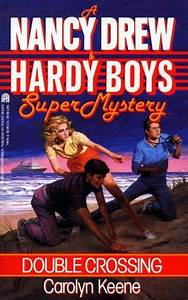
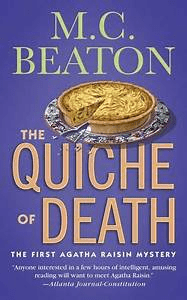
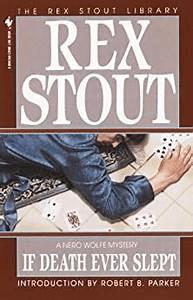
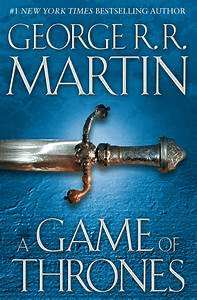

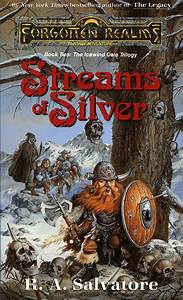
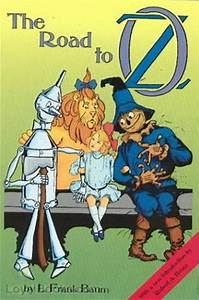
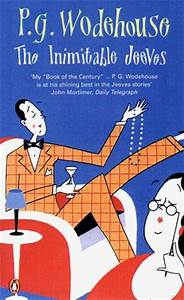

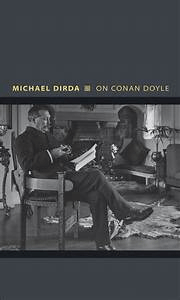
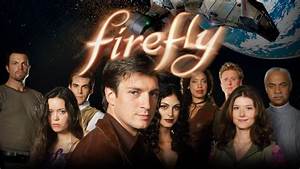
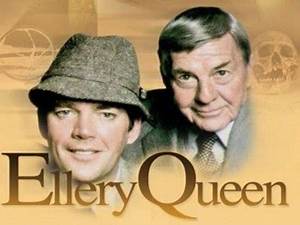
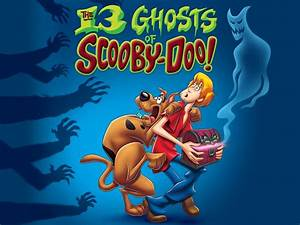

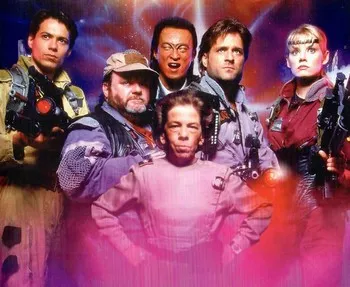
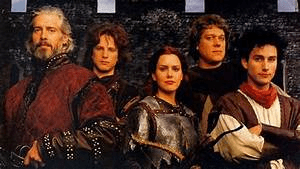
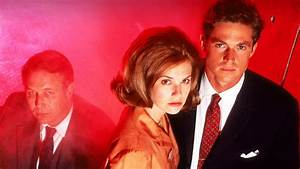
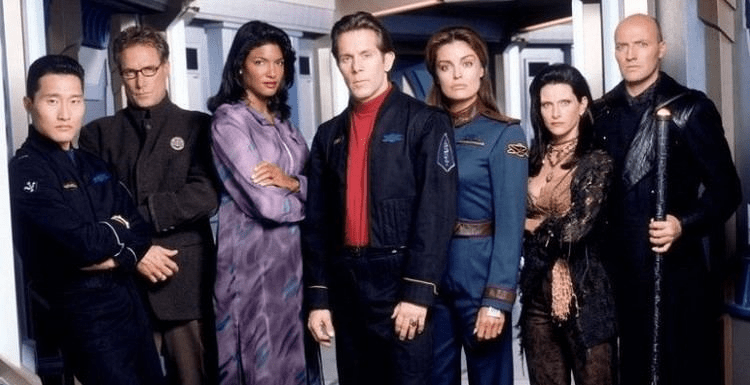
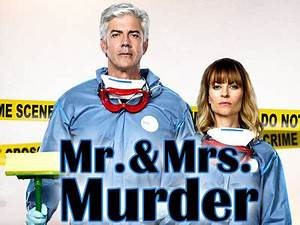
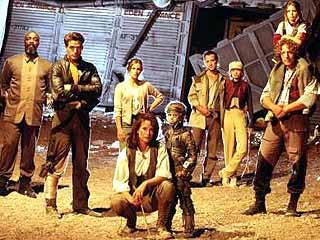
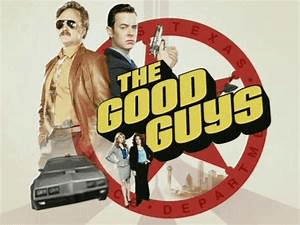
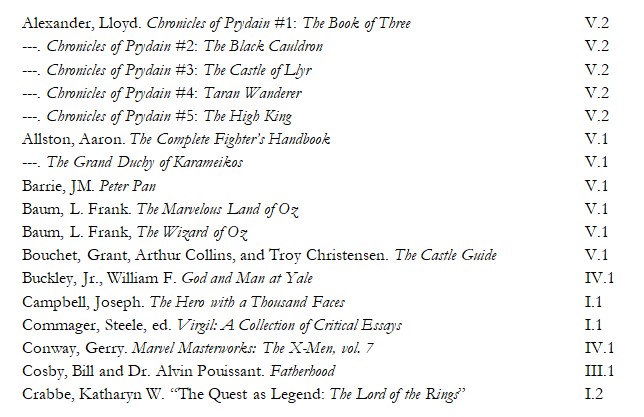
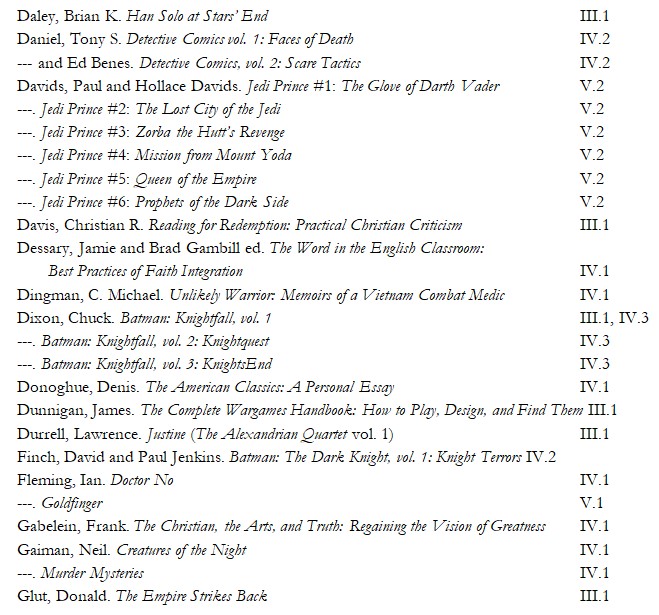
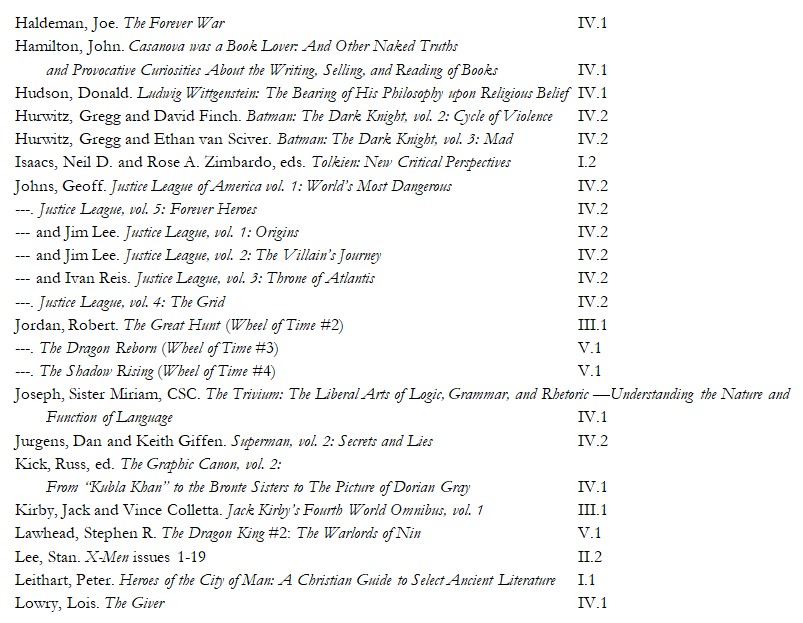
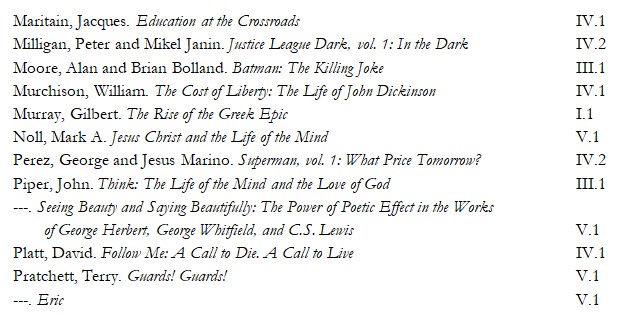
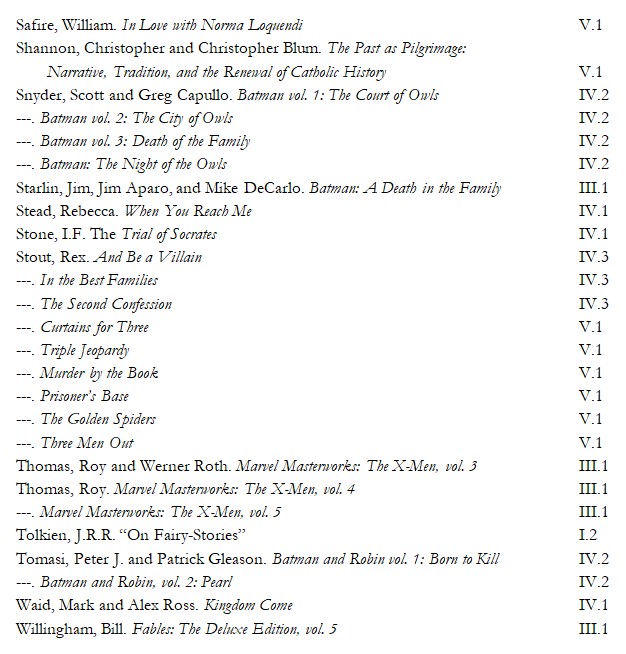
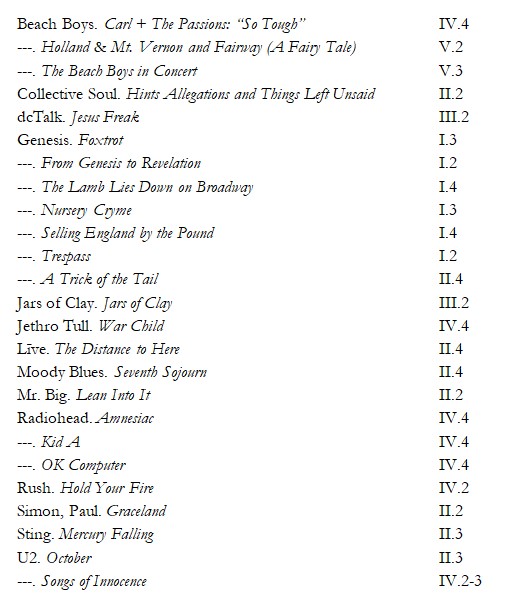
 Redeeming Pandora