This is a great book, though its beneficial audience is limited to educators, students, people who haven’t been educated, people who are being educated, people who should be educated, and people who need to be educated. Thus, the audience is, well, everyone. It’s one of those indispensable books, whose declarations about the sorry state of education and the ideal ways to ameliorate most problems are made even more frightening and sorrow-filling when the reader notices the book was written in 1943. Education at the Crossroads is even more necessary than it was 70 years ago — something that can’t be said about too many education books. It is dated only in fleeting moments, which adds to the tragedy of the intervening years: why didn’t anyone listen to him?
I wish I read this book 10 years ago, but there’s also the possibility I might not have been “ready” for it then, so better late than never, I suppose. Maritain is correct about many things: the purpose of education, what schooling/education are not, the importance of understanding God and humanity for any education to work, and a slew of other things too numerous and adroitly explained by him that any brief treatment here will only perform injustice on the work and the author. Not everyone will approve of his suggested curriculum and proposed age/school year alignment — in fact, most contemporary educationalists (the ones who get paid to make decisions and, like the characters in Peter Jackson’s version of The Two Towers, make only wrong decisions) will decry and rail and lament and ridicule (if they are willing to read a book that isn’t in e-format and doesn’t appear on any Common Core tests). That’s one sure-fire way of knowing this is a book to read and incorporate into one’s soul. It is not perfect, but it will help you understand reality better.
Having listened to this album a number of times in the last few months, I can assure you it is a much better album than you probably think it is. In its way, it is superior to even The Joshua Tree and possibly Achtung Baby, keeping in mind “its way” is its ultra-personal nature. It is a wholly introspective, open window into the making of these men and their musical influences, possibly the most revealing album a band has ever put out, which makes the “self-gratifying and grandiose” palaver spewed out at the album’s unusual release all the more embarrassing to those who served the vitriol. I am not, however, qualified to comment on the historical influences that generated not only this album but the band we have loved for decades, so I do not pretend to comment on them too much. You, the faithful reader, can track them down in various places (I hope, too, my old buddy Steve Stockman will write another book about these recent albums as well). Instead, I will comment on what I think of when I hear these songs (especially in context of other U2 songs and albums) and what (if not the same thing) makes them so good. Without further ado, let us semi-briefly explore these songs.
“The Miracle (Of Joey Ramone)”
Unlike the slow-building openers “Where the Streets Have No Name” or “Zooropa,” “The Miracle” just starts — even more abruptly, really, than “Vertigo” or “Zoo Station” (or any of the others). We feel like we have walked in two seconds after it started, and while that is initially jarring, it fits well with the point of the album. This isn’t The Wall — it doesn’t have to begin with birth and build slowly up to a life story. Boom. Here is the start. Here is the point where the rising action is about to begin. This isn’t season one, episode one; this is season one, episode eighteen, and things are about to change for the better (in some cases).
Much of this album gives us the impression we are re-covering old ground, doing what Frost said is practically impossible, but we are doing it with fresh eyes and fresher ears. The almost pep-rally nature of “The Miracle” is unusual for U2 and brings a lot more energy than we are probably expecting, considering the band isn’t getting any younger and a retracing of one’s roots often has the laconic feeling of Wordsworth not the immediacy of Keats (I should probably say Byron or Shelley, but as we all know Keats is far superior). Even so, this is an energetic song. Retracing their roots has brought that energy the band needed — not merely to remain “relevant” — and this is an energetic album.
The lyrical freshness of the album matches the reinvigorated musical energy. “I was chasing down the days of fear” and “I wanted to be the melody / Above the noise, above the hurt” is as lyrically excellent as “So Cruel,” and you know how much that says. I love that last line of the bridge “And we were pilgrims on our way.” We should have been listening to the albums of U2 as a pilgrimage, shouldn’t we?
I’m not Ramones-knowledgeable enough to know what makes them so beautiful, but I’ve had similar experiences in my intellectual, spiritual, aesthetic pilgrimage to know what is being described so enthusiastically, and I hope you have, too. I also know what it is like to take myself too seriously, and it is especially refreshing this album finds a very good balance in presenting their (sometimes painful) youth and influences seriously while simultaneously commenting on their naïveté with the knowing raised eyebrow of old age (I suspect more of this will come in the companion album Songs of Experience). The self-effacing humor of the pre-bridge is one such knowing raise.
One great element of this album is that self-awareness, manifesting in this instance by the different choruses. After the verses communicate the feeling, the memory, the experience the song is capturing, the choruses often metamorphose from “here’s what we were like” to “here’s what we appreciate better and what you can learn now” ideas. The final chorus of this song is truly great: I, too, “get so many things I don’t deserve.” The thought “All the stolen voices will someday be returned” is as uplifting and enthusiastic eternity-anticipating line as you will ever hear. It usually brings me to tears. It does anticipate “The most beautiful sound I’d ever heard.” It will indeed be beautiful to hear again the voices of those who have been stolen (by death, surely, not by God). That will be a miracle, indeed.
“Every Breaking Wave”
Here is one of the all-time greats. Musically, this is great. Lyrically, great. It’s great. You probably think that’s circular reasoning, and perhaps it is (okay, it is), but this song added to “The Miracle” make for as impressive a 1-2 start to an album as The Joshua Tree. Here is a song concerned with our infatuation with fear, our unwillingness to slough off our uncertainties as if they are comfy blankets, our trepidancy to risk. We are so reticent to acknowledge what we can see, what we know: the waves will keep coming, we don’t have to chase them. Chasing them, trying to control the world and the waves is not the way to succeed at life. It’s that hubris that siphons from us our courage. It’s time to stop futilely chasing after the waves and let them take us. That’s the only way to get where we want to go. The spiritual implications are glaringly obvious.
Lyrically, the inverted word orders at time may be for the rhythm of the phrases, but they add to the weight of maturity undergirding an album that could easily have devolved to self-pastiche. (I hope that doesn’t sound as pretentious as it sounds.) My favorite part is the “I thought I heard the captain’s voice / It’s hard to listen while you preach” section. True, having just read The Tempest twice with two different groups of sophomores, this section about shipwrecks and waves and shores resonates a little more loudly than it might during the summer, but the reminder we can’t hear The Captain when we are trying to give the orders is always a timely reminder. It’s impossible not to love this song.
“California (There Is No End to Love)”
The trademark Bono “oh” gets new life in this album, as remarkable as anything else here. Despite the backlash against their exploration of American music during the Rattle & Hum era, U2 goes where it needs to go, learns what and where it needs to learn, and unashamedly (and less unabashedly than in their less-temperate youth, shall we say) lets us know about it. They aren’t the Beach Boys, but then again the Beach Boys weren’t always the Beach Boys, and California is big enough to influence just about anyone. Just because my brief personal experience of California wasn’t all that great doesn’t mean U2 isn’t allowed to enjoy Zuma or Santa Barbara (or not enjoy it, as may possibly be the case here).
Instead of knowing beauty and truth are (almost) the same thing, it’s likely more significant and efficacious for us to know there is no end to love. Most of the song may give the impression of a light, frothy sort of “love is forever” sort of palliative, despite the revelations of the rather painful experiences couched in the first two verses … until we get to the end of the second verse. It’s one thing to write about and sing about painful experiences — we’ve heard that before (though not as often in U2, not their own painful experiences but certainly Ireland’s pain) — but suddenly the typical “cry in the mirror a lot” notion morphs into a more honest admission “I’ve seen for myself / There’s no end to grief” — and that acknowledgment of man’s prison of grief, eternal if left to himself and his fallen nature, reveals itself as the true basis for why “there is no end to love.” It’s not the simple “I’ve had fun times on the beach, so life is good.” It’s not “we’ve found each other, so love is forever.” Love is a reaction to and the only fitting salvation from grief. Since grief does not end (in this lifetime) love will not end (ever). I don’t know of a more comforting thought, really.
I haven’t quite sussed out the last two lines about stolen days, though I suspect the use of “stolen” is different from the “stolen” in “The Miracle,” since it seems to me we are the ones doing the stealing in “California,” stealing days of happiness and moments of love and joy away from the grief. We certainly don’t want to give those back, and perhaps they are enough, in the end. That makes sense, I suppose.
“Song for Someone”
This is one of those songs if you just listen to it casually once or twice without paying attention to the words you get a very faulty misapprehension of how good it is. That could be said about the entire album, of course. From the first line, whatever “write good lyrics” pills Paul Hewson has been taking in the last five years pays off again. I mentioned “So Cruel” earlier; perhaps this is a companion or sequel, as it is about healing and restoration. We have a great lyrical irony, in that this song purports to be universal (if my assumption about the “someone” being fit for anyone doesn’t take us all to Pleasure Island), though it frequently references private conversations and personal experiences. Again we have the modified chorus trope: the third line in the three choruses is different each time. (I can imagine the uproar if the second version was “with or without” instead of “within or without.”)
The best and worst parts of this song come at the end. The final chorus begins with a wonderful pair of lines: “And I’m a long, long way from your Hill of Cavalry / And I’m a long way from where I was and where I need to be.” I’m not under the impression the “Someone” this whole time has been Jesus … though, come to think of it, that would be totally awesome (and change the meaning of this song drastically). Hold that thought. The second of that pair is a wonderfully honest line about how far Bono has come in his spiritual journey and how far he still has to go — not since October have we heard anything this direct (except “Yahweh,” perhaps).
Now, if the “Someone” is actually Jesus throughout the song, and thus most of the “you”s are also Jesus, that would indeed elevate this song exponentially in both my appreciation for it and, more importantly, its quality. The first two lines of the song don’t seem to fit with that interpretation, though, especially as it would be unthinkable to say to Jesus “my scars are worse than yours, you know.” But then, Jesus does have eyes that can see right through us. He does “let [us] in to a conversation / A conversation only we could make.” He does “break and enter [our] imagination / Whatever’s in there it’s [His] to take” — that fits, too. The last line of verse two, “You were slow to heal but this could be the night,” also doesn’t seem to fit either, however. Also, I don’t know why Jesus would let the light go out, but perhaps the choruses are directed toward us, the audience: the listener is the “you” of the chorus. We can’t always see the light though we should have faith it is always there; we can’t always be the world we want to be; we have the responsibility not to let the light go out. If most of the “you”s are Jesus, the line “If there is a kiss I stole from your mouth” would take us immediately back to “Until the End of the World” and “When Love Comes to Town.” I’m not sure about the whole song, but there’s no denying whose “your Hill of Cavalry” it is. Maybe Jesus is the “someone” the song is for, and we are the “someone” the song is to? Regardless, this is another superb song.
The worst part of the song I alluded to above is only that after this great last version of the chorus (or bridge, maybe), we very much desire one final round of “And this is a song, song for someone,” but we don’t get it. Maybe the live shows.
“Iris (Hold Me Close)”
This song feels like it escaped from The Unforgettable Fire, and since that is one of my favorite U2 albums, that’s clearly not a slight. It’s a lyrically diverse song, even if one is tempted to dismiss it because of the musical sound. Initially I was a bit disappointed by this one, musically, but it does grow on me, especially as I understand the words better. “Iris” plays a few roles in this song, emphasizing the “seeing” theme of the song and possibly being an actual woman named Iris. Of course, once we find out Iris Hewson was Paul’s mom and this is another overtly personal song about Paul’s young life, that part comes into sharper focus. The Freud fans will likely latch on to this notion and interpret the ending refrain as “one needs to free oneself from one’s parents in order to fully become the person one is to be,” but I think it’s more Robert Burns than Freud. As Burns says, if we could see ourselves the way others see us, we would be much more free to be who we should be. And truly, as Christians, we know there is no better (or no other way at all) to be truly free to be ourselves than to be ourselves in Christ. All in all, it’s a very moving song by a man who lost his mom when he was very young, a man letting his mother know she is always with him and possibly wants her to be proud of him. I don’t think there is doubt about that.
“Volcano”
“Volcano” makes you wonder if this album has been locked in some Island vault since the mid-’90s and has suddenly escaped. It’s hard not to find this song somewhat goofy, though its message is important like the rest of the album. This album impresses you the more you learn about it and the influences that have shaped it (again, resources elsewhere can help far better than I can) and the keener one hearkens to the thematic/lyrical motifs strewn throughout multiple numbers. Waves and seas, eyesight and insight, identity, faith and doubt … sure some of those are fairly typical U2 fare, but the intentional lyrical development of certain phrases and ideas in multiple numbers creates an impressive unity to this album easily unnoticed by the casual listener/hearer.
Even with the dangerously goofy dance-techno-like beat of the chorus, which comes dangerously close to undermining the seriousness of the lyrics, the variety within the song works to a good effect, taken as a whole. The “You were alone / … You are rock n roll / You and I are rock n roll” breakdown toward the end gives the song a helpful push to the conclusion the chorus alone wouldn’t have given it, since its (the chorus’s) sound may have been too repetitive to make for a strong enough finish. The basic message seems to be a warning for easily-hotheaded people about the dangers of that, which, while not anywhere close to unique for a message, does not appear all that frequently as a peppy remix-like number. I need to appreciate this song more than I currently do.
“Raised By Wolves”
U2 has been singing songs about Ireland’s war on terror for about 40 years now, but it has never been so personal as this song. It’s a straightforward song for the most part, though it does have some lyrically impressive lines (“My body’s not a canvas” … “Boy sees a father crushed under the weight / Of a cross in a passion where the passion is hate”). The bridge, “I don’t believe anymore / I don’t believe anymore,” is for me the most inscrutable section of this song. If it is about young Paul Hewson rejecting the faith that has brought about (supposedly) these sorts of things, that’s understandable, though that doesn’t seem to mesh with the history of U2’s music (especially with “I Will Follow” and October coming closer to this life experience than War, and War, we must remember, ends with “40”). If it is older Paul Hewson not believing in something, that is even less credible. I just don’t get it yet, but that’s not a bad thing.
The chorus is likewise thought provoking, partly because I don’t have a good grasp of it, either. Musically, it’s an edgy song, certainly the edgiest political song since “Love and Peace or Else,” and that edginess makes the song. The way Bono sings the chorus is also a highlight of the song. I suspect the line “Raised by wolves” is a negative thing, if it is a comment on how his generation was led/affected/burdened by the terrorism and conflict (certainly he is not referring to his own parents or any of the band’s parents, since they have always been open about the tremendous support their families always showed them). But the next line “Stronger than fear” presents itself as a positive thing, as far as I can tell. Then the final two lines, “If I open my eyes, / You disappear” return to a negative idea. It’s another song that would improve with understanding its origins, but it is also translucent enough to assure us of its quality, even if its full meaning is immediately opaque.
“Cedarwood Road”
Another overt homage to friends and experiences of their youth, though this time the overall impression almost dares us to consider it positive, despite being replete with echoes of bombings and loss and pain from the previous song (again, the continuity and overlapping and motif spreading throughout the album snowballs our appreciation for this album the more we grasp it). Guggi is one of Bono’s lifelong friends, a fellow survivor of those dark times, though he didn’t survive quite so successfully.
The music of this song is perhaps its most noteworthy component, so to speak. Say what you will about The Edge, and I’m sure you will, he can still come up with some catchy, integral licks (“The Miracle” has some catchy riffs, too). They only seem familiar because he makes them fit so well.
This is an album of great song endings (even if I think “Song for Someone” ends one section too soon). “A heart that is broken / Is a heart that is open” is a fantastic line, though our enthusiasm for it is likely tempered when we remember (to what limited degree we can appreciate it) the great volume of pain that generated its profundity.
“Sleep Like a Baby Tonight”
I don’t have much to say about this song. It has my least favorite line on the album, “Tomorrow dawns like someone else’s suicide.” It has that “Babyface” feel to it, and we jump, not cynically I trust, to a conclusion there is more here than our initial impressions give us, since U2 and lullabies don’t mix. As I’ve said, I haven’t done a whole lot of research, since I wanted this exploration to be mostly my own experiences and reaction, but what little I saw (mostly accidentally) about this song indicated this is about a priest (the kind of priest Alan Moore writes about in V for Vendetta … yeah, that kind of priest).
Does that make this a bad song? Certainly not. Unpleasant? Perhaps. Is it a social problem we should know about, do something about, bring to an end? Certainly. Musically, it’s another impressive stretch for a band most people likely thought had run out of ideas, even if it reminds us of an earlier song. Bono’s falsetto gets a healthy workout once again, another facet of U2 most people likely thought had faded into the mist.
“This Is Where You Can Reach Me Now”
I’m sure you already knew Joe Strummer, to whom this song is dedicated, was The Clash’s front man, telling us this song reflects the influences The Clash had on young U2 back in the day. I’m not as familiar with The Clash (or any in the punk scene, apparently) as I probably should be, but what little I do know makes the sound of this song (and its military theme) wholly believable. It’s a very straightforward song, as far as I can tell, though it’s also highly probably I’m missing out on a great deal of meaningful subtext. It’s also quite likely I’m misinterpreting much of this album, but that has never stopped me before.
“The Troubles”
Another very personal song (yes, we’ve said that eleven times now, I understand), this one is about the pain of abusive relationships and the freedom that comes from escaping it and reaffirming one’s self worth and value. Musically, it’s another impressive stretch for the band. Lyrically, it’s another remarkably courageous display. If the last half of the album is not as “enjoyable” as the first half, it’s only because the honesty and openness make us uncomfortable, not because it’s an inferior half. I’m not a big fan of rehashing my painful memories (though someone should tell that to my subconscious, since it’s a big fan of running that tape about 12x a week) — I doubt I’d have the courage to write almost a dozen songs about some of my positive life-shaping experiences, let alone the negative experiences. Thank you, men. The people who find you “no longer relevant” must have thought the same thing about Don Quixote … and look how well that ended for them.
So there you have it. I like this album a great deal, and I think you should, too. It will definitely go down in U2 history as one of their best. I don’t know how many more albums these four have in them — hopefully we will not have to wait so long for Songs of Experience (considering their recently-announced tour, “The iNNOCENCE & eXPERIENCE Tour,” is purportedly going to focus on Innocence songs one night and Experience songs the following night in pairs, that gives great gusto to our hope). If they release Experience in a year or two, then, a few years later, top it all off with Man, I’d be quite satisfied (though if they can release several albums in the coming decades, that’s fine with me, too).
It holds up to the scrutiny. It is an incredible gift, not just because it was free. I did get the 2-disc deluxe edition for Christmas from my wife, which was a very pleasant surprise. The bonus disc songs, including alternate takes of “The Troubles” and “Sleep Like a Baby Tonight,” while perhaps less “canonical” improve our appreciation of these songs even more (though I haven’t listened to them enough yet to say more). The 30-minute acoustic set is definitely worthwhile, and the otherwise unreleased songs are obviously a must-have for U2 fans (those who don’t get the special Japanese releases, of course).
You probably have this album, whether you wanted it or not. Let’s not rehash that again. Instead, now that you know about it more, give yourself a tremendous boon and listen to it carefully. Soak it in. Embrace the honesty, the openness. Even if you don’t fully interpret everything correctly, as I most assuredly have not done myself, appreciate it for what it is: a superlative album from one of the great bands of all time.
It’s an album about many things, but it is fundamentally an album about love. Don’t chase love like every breaking wave. Let it take you. Love, as we know, conquers all. Let us, too, surrender to love. You’ll be glad you did.
The poem written by Percy Shelley, “Ode to the West Wind,” personifies the winds in the west. It is seen as a powerful force that destroys but also preserves. It kills the decaying and weak to make a path for the new. It destroys the old and provides a new environment for the new.
In the first stanza, Shelley says the West Wind is “wild.” It blows away the leaves that have died and started to rot. It makes way for the springtime after the rough winter. The wind takes the seeds off the trees and bushes and buries them in the soil so they can spring up into new life a few months later. The seeds bloom into new life during the spring. It destroys the old and starts a new fresh beginning in the spring. This is why the west wind is described as both a destroyer then a creator, or a preserver.
In the next stanza, Shelley talks about the sky. He talks about the effect of the winds on the clouds. The winds break the clouds apart almost like the decaying leaves of a tree. The clouds become rainclouds and look ominous over the earth. The clouds are compared to the outspread hair covering the sky from the horizon to its zenith. The craziness of the sky is compared to Maenad, worshipper of the Greek god of wine. Shelley uses this comparison because Maenad worships the god in a sort of wild and crazy way, lifting her hair like tangled clouds. These indicate an approaching storm.
The West Wind then becomes a funeral song. It is being sung because the year is dying. The dark night sky becomes a grave or a tomb where the clouds mold the tomb. They will soon pour down rain.
In the third stanza, the West Wind blows across the Mediterranean Sea. He describes it as a vast sleepy snake, which dreams of old civilizations rich in flowers and vegetation. In the sea’s sleep, it sees “old palaces and towers,” which quiver when the wind blows. The West Wind also affects the Atlantic Ocean. The plants under the surface tremble at the sounds of the strong breezes. They fear the power of the West Wind.
In stanza four, the West Wind becomes a more personal force. Shelley said if he were one of the leaves, or the clouds or waves, he would be able to feel the power of the West Wind. He said during his childhood he had the power and speed of the West Wind. Shelley said he no longer has the strength and speed like he did in his childhood. The burdens of life have dragged them down. He is facing problems in his life, which have drained his strength. He now looks to the West Wind for help.
In the last stanza, Shelley offers himself to the West Wind in the same way as the leaves, clouds, and waves do. He wants the wind to be a musician, and he should be used as a lyre for this purpose. The music could be gloomy but a sweet sound. Then he compares himself to a burning fire with sparks and ashes. He requests the West Wind blows his sparks and ashes among mankind.
Shelley ends his poem with the hope the West Wind will take his words across the world. Winter is a symbol of death and decay, but spring brings new life and hope. He portrays this poem as saying if there is despair and pain now, then hope and optimism are just around the corner. If winter is here, spring isn’t far behind.
“Ode on a Grecian Urn” Analysis
Michaela Seaton
“Ode on a Grecian Urn” is a great example of Romantic poems. It is a highly emotional poem addressing things not present. Written by John Keats, “Ode on a Grecian Urn” utilizes moving language, sensations, and images to get its point across. The main theme is constancy or eternity, the innocence that comes with not changing.
In the first line of the first stanza, he says “Thou still unravish’d bride of quietness” which literally means pure bride of quietness. It isn’t actually talking about the marital vows of an urn, it is talking about how the urn is silent; she’s not an “adulterer” to quietness, literally meaning the urn was adopted by silence and slow time. She keeps all her secrets, while still showing the story upon her. The second line is similar in its message: “Thou foster child of silence and slow time.” Once again, Keats uses imagery to show how he sees the urn, as a perfect representation of stagnant time.
The next two lines, “Sylvan historian, who canst thus express/A flowery tale more sweetly than our rhyme:,” talk about the urn’s job as a historian. Keats compares her job to his job as a poet. She uses pictures to tell her tale, while he uses words and rhymes. In his opinion, her way of telling the story is superior.
The next three lines are the first close look at the urn: “What leaf-fring’d legend haunts about thy shape / Of deities or mortals, or of both,? In Tempe or the dales of Arcady?” This is talking about the actual artistic qualities of the urn. Apparently, it is ringed with leaves, perhaps contains shapes of gods and men frolicking about in different areas of nature and life.
“What men or gods are these? What maidens loth? / What mad pursuit? What struggle to escape? / What pipes and timbrels? What wild ecstasy?” These next three lines pose questions about the urn, asking what it is revealing about history, what stories is it telling. Keats is telling the readers what is coming up.
Then comes the next stanza. In the first two lines Keats says “Heard melodies are sweet, but those unheard / Are sweeter; therefore, ye soft pipes, play on;” In this stanza, it appears he has turned the urn so one of the scenes is showing, a scene with flutes. When he says the unheard melodies are sweeter than the heard, he is probably talking about how with the scene pictured on the urn, the music and fun you imagine is happening is perfect, while in real life often expectations are not reality. Those people on the urn are actually living, in his mind, but simply frozen in time.
Lines 3-4 say “Not to the sensual ear, but, more endear’d / Pipe to the spirit ditties of no tone.” In these lines, Keats is ordering the pipes to play to his imagination, which ties in with the previous lines. In his imagination, any scenario he creates will be perfect in his mind. The melodies have no tunes in the real world, but in the imaginary world they are the perfect notes.
The next two lines say “Fair youth, beneath the trees, thou canst not leave / Thy song, nor ever can those trees be bare;” In this, the youth is in an eternal spring beneath a tree that will never lose its leaves. He is stuck in the same position, playing the same song but never being able to change. For Keats, however, this is preferable. The youth never has to experience the pain of passing time.
The next four lines say “Bold lover, never, never canst thou kiss / Though winning near the goal yet, do not grieve / She cannot fade, though thou hast not thy bliss / For ever wilt thou love, and she be fair!” This scene seems to be referencing a young man chasing a maiden. This is probably what Keats was talking about earlier, with “mad pursuit.” In this scene, the man is ever chasing the maiden, but Keats tells him not to despair. Keats knows because they are frozen in time on the urn, he will never stop chasing the girl, and the girl will never lose her beauty. It’s much different in the world where time marches on.
The third stanza begins with “Ah, happy, happy boughs! That cannot shed / Your leaves, nor ever bid the spring adieu.” Again, there is an almost Norman Rockwell feeling to the urn; it’s like what an ancient Greek version would look like. The tree is stuck in perpetual spring. Never will it lose its leaves. Keats obviously thinks this is a good state to be in, never will the tree have to suffer through a winter.
“And, happy melodist, unwearied / For ever piping songs for ever new / More happy love! More happy, happy Love!” are the next three lines. Once again, Keats is showing how happy he considers the scenes on the urn to be. This melodist is playing a song that will never go out of style, with a pipe that will never break. He is, and always will be, happy. Keats envies him, and he calls for more happy love songs; he wants to feel what he imagines it would be like, a perfect happiness that never ends because time cannot touch it.
The next two lines state “For ever warm and still to be enjoy’d / For ever panting, and for ever young”. This line seems to be talking about the birds and the bees. Joy that man and woman can experience on the urn for ever and ever and never tires. The next three lines also talk about this passion, but in the real world. They say “All breathing human passion far above / That leaves a heart high sorrowful and cloy’d / A burning forehead, and a parching tongue.” In this one, Keats seems to be saying the people in the world “above,” those who are looking down on this urn, they, too, experience passion, but it ends. Once the deed is done, it is over, and on comes the regret. A fever, a dry mouth, a muddled brain are left behind, a stark contrast to the moment of happiness. To Keats, the people on the urn, the men or gods chasing the maidens, are still in the moment of happiness. They aren’t regretting any decisions right now, and they never will because for them time does not exist.
This is where stanza four begins with the line “Who are these coming to the sacrifice?” Keats has turned his attention off the scene of the lovers and onto one where a sacrifice is about to take place. He wonders who is coming to watch it happen. Lines 2-4 give a better picture of what is happening. “To what green altar, O mysterious priest / Lead’st thou that heifer lowing at the skies / And all her silken flanks with garlands drest?” He asks the priest where he is taking the bellowing cow, but the priest will never reach the green altar because they are all frozen in time. The heifer is outfitted with flowers, so she is probably destined for the gods as a holy sacrifice.
The next three lines say “What little town by the river or sea shore / Or mountain built with peaceful citadel / Is emptied of this folk, this pious morn?” The priest and cow have a following, a crowd coming with them to the altar. Keats imagines what their little village would look like, desolate with all its people gone to worship their gods. However, the town could be by a river, or a sea shore, or on a mountain; so the town is not pictured on the urn since we do not know what it looks like.
The last three lines state “And, little town, thy streets for evermore / Will silent be; and not a soul to tell / Why thou art desolate, can e’er return.” In these, he address the sad state the town is left in for eternity. It will be forever empty, its people will never return. Although most of his words have been happy, yearning for a stop in time, these seem sad. He feels sorry for the village, whose people are gone and never coming back.
In the fifth stanza, he begins with “O Attic shape! Fair attitude! with brede / Of marble men and maidens overwrought / With forest branches and the trodden weed.” In these, he both praises and dismisses it. At first, he marvels at its shape and fairness. But then he seems to think it too ornate, too fancy. There are too many branches, the details are too well done, like it looks alive. It almost sounds as if Keats is jealous of it, because the pictures it displays show what he cannot have: eternal happiness.
“Thou, silent form, dost tease us out of thought / As doth eternity: Cold Pastoral!” say the next two lines. He seems to be accusing the urn of teasing him into thoughts about eternity, like one would tease a knot out of a ball of string. Keats does not like what he is thinking about eternity. The eternity shown on the urn is not the eternity that we live in. There, there is constant happiness and joy, while we must suffer here.
The next three lines state “When old age shall this generation waste / Thou shalt remain, in midst of other woe / Than ours, a friend to man, to whom thou say’st”. Keats imagines even after everyone in his generation has died, this urn will still be around. The problems of the current generation will be no more, but the new generation will have different ones. Even still, the urn will stay the same. In fact, it gives the same advice to every generation.
The advice is in the last two lines of the poem, which say “Beauty is truth, truth beauty, — that is all / Ye know on earth, and all ye need to know.” He is not saying simple truth and beauty are the same. He is saying beauty, what is the meaning to our lives, is the same as truth, which is the meaning for our being here. These thoughts can be had while looking at the urn, thoughts of life, regrets, and eternity. No matter what generation looks upon it, they are all going to see that, feel what Keats felt. To him, you don’t need to know the truth of the history books, or the celebrities, or the medical magazines, you simply don’t need the truths that are passed down from generation to generation.
I enjoyed “Ode on a Grecian Urn.” Although I certainly did not agree with its suggestion that we throw out the truths of the past, I do understand his longing to live in a moment in time that is always happy. Those happy people on the urn represent what I’ll never have until Heaven: eternal bliss. But at least I am assured in my eternity; Keats is not so lucky.
“Ode on a Grecian Urn” addresses much deeper issues than can be seen on first glance. Questioning truth, examining eternity, and wondering about beauty are often not seen in poets of today. Keats throws out what had been taught in previous generations and focuses on the one thing he believes to be constant: beauty.
Charles Dickens was an influential writer whose work was heavily influenced by the poverty he experienced and witnessed. Great Expectations emphasizes this theme of poverty. In many ways, the main character mirrors Dickens himself and his own struggle with poverty.
An orphan, the main character Pip lives with his abusive sister and her husband, the village blacksmith. Over the course of the book Pip runs across escaped convicts, jilted old ladies, and cold-hearted beautiful women. He goes from his marshy village of Kent to bustling London. He goes from one of the poorest of the poor to rich and must acclimate to that society.
Dickens is similar to Pip in many ways. Although he lived with his mother and father during his childhood, he spent part of his childhood in Kent, just like Pip. They also lived in during the same time period, when the Industrial Revolution was taking place and there was great social upheaval. He also moved to London, just like Pip, although he moved there earlier than Pip does in Great Expectations. Likely he met many different type of folks in London that gave rise to characters like Joe and Estella.
Dickens, unlike many other famous people, found relative success during his lifetime, and he had to adjust to society as a person with money. Pip also had to adjust to gentleman society, and there were strict rules to follow. Climbing the social ladder required learning a whole new set of skills and expectations as Pip soon realizes as he studies to be a gentleman. Dickens also would have experienced the disparity between the desperately poor and those who were well off, or at least moderately so.
Pip studies to be a blacksmith under Joe, but he feels himself too good for this after getting a taste of the genteel life with Estella and Miss Havisham. Dickens also worked a job he did not feel put all his skills to use, at a blacking warehouse when his father was in debtor’s prison. Eventually he is able to gain more education and raise his status and wealth, just like Pip does.
The entirety of the book is centered on social status and wealth, or lack of it. Pip’s purpose in life is to gain recognition and marry a woman of higher status. He doesn’t just care about money, he cares about where the money came from. When he finds out his fortune is due to a convict he helped once, he is disgusted.
Dickens’s status also rose, and he was able to chronicle the trials and problems he experienced in the character of Pip. Even though he became famous, Dickens’s poverty had a tremendous impact on his life, and this can be seen in Great Expectations. Pip desires social improvement, but when he finally attains it, he finds himself still feeling empty; there are still the basic immorals and depravity he saw as a blacksmith’s apprentice. Dickens is trying to say no matter how much money you have, it is moral improvement that makes a difference, not money.
Two of the greatest literary detectives are assuredly Rex Stout’s Nero Wolfe and Bob Kane’s Batman (or, Bruce Wayne, when hosting in his stately manor). Both have very little in common beyond their basic commitment to right wrongs and bring perpetrators to justice, considering Wolfe will usually only bring justice when he is paid for it and rarely leaves his home and Batman prefers anonymity and patrolling the streets practically constantly. Both do have a certain moral malleability, even with Batman’s commitment never to kill (something we are occasionally led to believe Wolfe has done in his youth, if for a certain kind of justice), but we are never far from the firm conviction these great detectives are valuable assets to the fight against crime — certainly never for very long, at least. One significant thing they do have in common, as with most great literary detectives and epic heroes of other ilks, is their catabasis and anabasis, requisitely occurring because of their nemeses. Of course, Batman has more arch-nemeses than the shore has sand, but no one has taken him to his nadir as one behemoth of a villain: Bane. Nero Wolfe, having managed to offend and upset everyone from Serbian diplomats to the head of the Central Intelligence Agency, likewise, has no dearth of enemies—but no one has so altered and affected his life like the scourge of the underworld: Arnold Zeck. Within recent memory, I have read the three collections of Batman’s epic encounter with Bane and its aftermath and the three novels detailing Wolfe’s brief but cataclysmic history with Zeck. In an effort not to spoil too much of the mystery, action, adventure, plot, and (most important of all) great character moments, I include hear my brief reviews after I read them. I refrained from spoiling too much in hopes you will pick them up and read them for yourself, if for nothing else than to have some great reading experiences. We begin with the three Nero Wolfe adventures written by Rex Stout and conclude with the three recent-ish TPB collections of Batman’s fall and rise in the mighty Knightfall Saga, mostly written by Chuck Dixon.
And Be a Villain ⭐⭐⭐
If I call this “another satisfactory addition” to the Nero Wolfe canon, you should realize that is no slight against this book. It would be impractical to require each Wolfe novel to be an innovative, life-altering humdinger. This is another enjoyable Wolfe story, which dallies with tedium at times but refrains from indulging too much (even more successfully than Too Many Women) and provides nice moments both of tension and humor. We are treated to a surprising rare scene in this story: Wolfe gives Cramer all he knows before the murder is solved and asks him to effectively take over. While this is a genuine offer, Wolfe returns to form by the end, effectively blackmailing the police to get what he wants (though, nicely, not at Cramer’s personal expense). The mystery itself is a nicely complex puzzle: not only is it a “whodunnit,” but also it develops into a “was that the right victim?” investigation. Most Wolfe fans probably remember it for the first Arnold Zeck story, who will apparently become Wolfe’s arch-nemesis, but I don’t know much about that at this point. It does add a sense of tension to the story that feels a little off, like Psych’s Yin-Yang series (despite being a series about murder/mayhem, it’s usually much lighter than having an “arch-nemesis”) — but still, it adds some spice and freshness, even if it’s not something fans really clamored for. And Be a Villain isn’t a knockout, but it has some engaging twists and turns and those moments we enjoy.
The Second Confession ⭐⭐⭐⭐
Though all Wolfe stories are different to some degree, this was clearly the most distinct in the canon thus far: Wolfe not only leaves his house (which he has done in other stories, to be sure), but his house is attacked by the mysterious person quickly becoming an arch-nemesis to Wolfe. The pacing is much more rapid than most Wolfe books: we have a sense of urgency from the beginning that drives through the first half of the novel. Even when the pace slows down around the ¾ mark, we still feel along with Wolfe and Archie things are not as “back to normal” as they may superficially appear. Thus, for once, the slowing down section just before the rapid tortuous conclusion is a welcome relief. Another unusual stylistic flavor in this entry is the almost episodic feel to the early chapters. It is almost as if the chapters were serial entries in a magazine, or the classic serialized shorts from Columbia Pictures, each ending with a shocking, unexpected twist. It almost “feels” like it is not Stout writing these chapters, but we are confident and assured this plot is in the hands of the master. There is not as much humor in this one as many of the others lately have had, but there is a far more convincing romance between Archie and the female “lead” than in, say, “Before I Die.” The lack of humor is not a problem, though, since the fast pace, the political undercurrent (which does not stay “under” for long), and the palpable tension distract us enough to make this atypical Wolfe adventure one of the best yet.
In the Best Families ⭐⭐⭐
I strongly suspect this is a unique book in the Wolfe series for many reasons, many of which will not be mentioned to avoid too much plot spoiling. As one of those “wholly different” episodes, like the brownies episode of Barney Miller or “Dreams” in M*A*S*H, the feel is totally different and thus “off” for most of the book. It starts off fairly typically, but it’s not long before the drastic changes happen quickly and in full force: Wolfe disappears, the orchids go to Hewitt, Fritz goes to Rusterman’s, and Archie gets his own office. I certainly do not begrudge Rex Stout for doing something different — it is good to break out of a routine once in a while, no matter how salubrious the routine. I’m glad he did it; I’m glad Wolfe had an arch-enemy after a fashion (most of their “relationship” being phone conversations); I’m glad it ended after three stories — too many more stories would have felt dragged on. Still, the differences make this work, even in its necessity, less enjoyable than the “usual” stories. Many no doubt love this even more because of its distinctions, and they are welcome to that affection.
For me, the irritation of this book is Archie’s true feelings about his housemates: once it seems like that 10-year-some phase of his life is over, Archie has mostly negative things to say about Fritz, Theodore, and Wolfe. Being a romantic, sweet person, I naturally assume Archie and Fritz are friends: apparently they aren’t, even though Fritz cares for him. It’s almost reminiscent of Huck and Jim’s relationship, with Fritz as the caretaker role more than friend. Archie comes off as a pretty big jerk in this one, and one almost wants Cramer to actually beat him up when the situation arises. Stout does a good job of getting us to feel the long passage of time without slowing the story down too much (far better than in Too Many Women), and though the story does drag a bit, it picks up with good alacrity toward the smashing conclusion. It ends nicely, fittingly, and the suspense is well done. It likely won’t make you think less of Archie, but be prepared for some harsh honesty from the characters in this one, understandably brought about by the harsh edginess of the situation.
Knightfall, vol. 1 ⭐⭐⭐⭐
Finally, after all this time, it’s come out in a nice TPB, and I have read it. Without all the preliminary prologue stuff, non-Batman readers might be a bit lost for a time, such as who Jean-Paul is, why Bruce is already beleaguered, when Bane fought Killer Croc, for examples, but it shouldn’t bother people too much. Bane’s origin is dark, but he doesn’t do much except wait throughout the TPB, other than the entire Arkham thing and breaking Bruce Wayne’s back. It’s not nearly as boring as that sounds, since he is a fairly intelligent villain, though the addiction to Venom diminishes him somewhat, since it’s not just about his personal strength and intellect. Anyway, the inevitable backbreaking isn’t the climax of the story, which is more impressive than I thought it might be — the real story is the destruction of Batman, the idea, the symbol. As Bane says toward the end, J-P as the new Dark Knight (emphasis on the Dark, not the Knight) does more to destroy Batman than he did, since he just broke Bruce Wayne: turning Batman into no better than the evil he conquers, Jean-Paul becomes perhaps a worse nemesis for Bruce Wayne than even Bane is, but we’ll see what happens in part two. The pacing is an odd thing for a 19+ part series, depending on whether you add the non-numbered parts of the story: sometimes issues take place immediately after each other, sometimes days pass, but all of it is fairly rapid in the beginning, following Batman and Robin’s attempts to recapture the inmates from Arkham, though Batman doesn’t treat Robin all that well whether he is Bruce or Jean-Paul. Even so, one doesn’t need to pay too much attention to the time factors, since the breakdown of Bruce Wayne is the central idea of volume one, and the creative teams do a fairly fine job with it. The clash of ideas (the nature of good, for example) are highlighted at times, though they take a backseat to the action more often than not, but it’s still a good read that holds up after all these years.
Knightfall, vol. 2: KnightQuest ⭐⭐⭐
This middle volume is a little bit of a letdown, though that isn’t too surprising, considering where it falls in the spectrum of the whole major arc. The good news of this volume is it collects for the first time a lot of the issues involved in this period. Fans of The Search may be disappointed, since it does not have any of those issues (and probably should), but by this point no one should be surprised this collection is missing them, and those who are interested in this storyline will find enough to be interested anyway. Fans of the real Batman may not need this collection, though Azrael/Jean-Paul Valley fans will certainly be glad this collection exists, even if the stories aren’t all that meaningful for most of the collection. It does have some highlights here and there, but it does take a fairly long time to build up any steam or interest, especially to the casual Batfan. The only really interesting thing going on for most of the collection is J-P’s internal conflict: is he an Angel of Death, a heartless assassin like his father wanted him to be; or is he an Shadow Instrument of Good, a noble defender of the poor who has to take the grime of corruption upon himself? This culminates in one of the darker issues of the collection — some may say “especially for 1993!” but dark is dark, regardless of what year it is published. The other “highlight” of the collection is Gordon’s increasing despair with the new Batman. It’s not enjoyable to see him realize he is now all alone, but his character moments are great in its way. The culminating panel of Gordon destroying the Bat signal should have received a bigger space for such a drastic event. Completists will most likely want to pursue the diasporic issues (lists of which are available elsewhere), if they don’t already have them, but those who are only interested in the major Knightfall Saga will be more than satisfied by this 20-year reunion collection. It’s not as good as the first, but it was good to finally read what the KnightQuest was all about.
Knightfall Vol. 3: KnightsEnd ⭐⭐⭐⭐
Finally, I have completed this journey started almost 20 years ago. I know the trades don’t include every single tie-in, and perhaps some day I’ll try to track those down, but I am quite satisfied (for the most part) with the way this story concludes. The first half of the collection, KnightsEnd (or Knight’s End, perhaps) resolves the issue of Bruce Wayne vs. Jean-Paul Valley in an unexpected yet predictable way, as the basic story does what Keats says true art does: being both surprising and familiar at once, giving us the impression “but of course, it couldn’t have happened any other way,” which is about as close to calling this “literature” as anyone will likely get. Some may be disappointed the climactic confrontation between Jean-Paul and Bruce does not end in the knock-down, drag-out fight we are expecting, but as Batman has always been about more than just fighting, a detective who thinks things through, performing the impossible with relative ease, the highly-symbolic conclusion is truly moving and fitting. The only real problem with the end (as with the epilogue Prodigal storyline’s conclusion) is its abruptness. We could have used another page or two (no need for more), at least of J-P walking away into the fading darkness as Bruce returns back to the dawn.
Similarly with Prodigal, the main point of contention between grown-up Dick Grayson and Bruce Wayne is they never talked it over, never discussed their rift and differences, never discussed Dick’s hurt over being apparently rejected in favor of Jean-Paul as the replacement Batman: here the authors recognize a key aspect of these characters, and instead of giving us a wonderful un-sappy heart-to-heart between these two veterans, we get a few panels of sort-of-obvious semi-platitudes, a different scene, and then a final resolution of implied “well, it’s all okay now.” Had they given us a genuine dialogue of authentic resolution, this would definitely have been a 5-star review, missing tie-ins and all. Do these stories have some goofy moments? some confusing references to pieces not missing? Sure it does. Most TPBs do. Is the final page of the TPB an odd way to end a 1,900-some-page odyssey of identity, especially with Batman in shadow? Indeed. Could we benefit from learning what Bruce did while he was away, allowing Dick to don the cape and cowl for a time? Sure. But that’s not really what this is about. In one sense, it’s about trust and the “idea” of “Batman.”
The pacing of KnightsEnd is quite impressive, even if the sensations it evokes are compressed as each issue is rapidly accessible in the TPB form instead of waiting a couple of weeks for the next installment. Bruce Wayne, on his quest to recapture his mantle, goes to the world’s deadliest killer to re-hone his martial skills, getting metaphorically to the edge of killing while he literally gets to the edge of Gotham’s highest point, still unwilling to let go of his failures and fly free again. The inevitable climax of Robin and Nightwing seeing Bruce “kill” someone (and the proper reveal of the truth) brings Bruce’s personal rehabilitation to a fitting conclusion, enabling his appropriate symbolic conclusion with Jean-Paul later.
Prodigal is a similar kind of story, with a surprising number of “light” moments between Dick and Tim running a mansion without Alfred. That they are both youngish and enjoy (to an extent) going out and fighting crime brings for a few brief issues a vitality the usually-dark Batman-as-man-on-a-mission feel doesn’t give. This doesn’t last, of course, as Dick starts to evaluate his life of (from his perspective) mostly failures, culminating in Bruce’s giving the mantle to Jean-Paul instead of him. As stated above, the absence of a lengthy conversation between the two of them at the end was a real failure on the creative staff, but such is life. Perhaps the saddest thing of the storyline is just as Dick starts to get the hang of things, just as he starts to find his place, poetically having defeated Two-Face alone, Bruce returns yet again to resume the cowl. In the missing conversation, we are to assume Dick is mollified by Bruce considering him a son enough to resume his role as Nightwing and truly be content being his own man with his own superhero identity. Fair enough.
Lastly, a word should be said for poor Commissioner Gordon. What is he, the whipping boy of the DC Universe? Can nothing go well for this defender of justice? Here was another missed opportunity for a great conversation between secret-keeping heroes. Dick knows Gordon knows he’s a different Batman; he could quite easily have said “I used to be Robin. You can trust me.” It’s all about trust, after all — why not bolster Gordon’s trust in him? Ah, well.
All in all, it’s a satisfying conclusion to a full, good story. If one is tempted to consider this corny and lacking in enjoyable violence, one should be tempted to step back and reflect about life, morality, and what is important. The benefits of this experience outweigh the detriments, especially for the cost and convenience of these TPBs.
There you have it. You can destroy their possessions, you can break them physically, but you cannot keep good detectives down. It’s comforting to know some heroes will always be there to right wrongs and promote justice (even if doing it for money or while dressed as a bat). If I haven’t made these stories sound all that appealing, please remember these reviews are intentionally light on the good stuff so as not to spoil your enjoyment of them when you get the chance to read these treasures. Go out and get a copy of the fall and rise of these great detectives — you’ll be glad you did, especially if it entices you to read even more Nero Wolfe or Batman adventures.
This is a violent movie. It also has some moments of explicit adult content, in both language and visual imagery. Most of the characters are coarse, greedy men struggling to live up to a moral code of their own devising. But still. This is a good if not great movie. Now, please don’t get the impression we are tired of recommending family-friendly classics here at Redeeming Pandora. We aren’t going to extol the merits of Pulp Fiction or A Clockwork Orange in my lifetime (only one of which I’ve seen). I was planning on writing a little something about Wild Bunch even before Daniel Blanton submitted his treatment of Fight Club last time, and since I advertised it I wanted to follow through. I wouldn’t want to be disloyal.
Speaking of which …
Loyalty is a dominant theme of this movie, and it’s certainly the ideas discussed and explored by this film that makes it so impressive. Loyalty is connected to humanity: the less loyal you are, to your friends, your mission, your values, the less human you are, the closer you are to animals. The whole climactic finale of the movie is driven by the bunch’s inability to obviate their failure to uphold this value. Many who dislike the movie I would imagine liken the characters to animals anyway, since they are fairly rough and course for much of it. They do steal, kill, and cavort their way through what passes for life. And yet. William Holden’s character, especially, tormented by the moments of disloyalty in his life (those he’s suffered and those he’s dispensed) drive him to cling to one vestige of his long-moribund humanity, loyalty to those with whom he travels.
The movie’s other theme, the death of the “ol’ West,” a popular subject for director and co-writer Sam Peckinpah, is a fitting companion to a story of men trying to cling to something — yet it is impressively ironic as well, since the Wild Bunch aren’t trying to cling to the way things used to be. They are tired of living this sort of life, and with a new world of automobiles, international finance, and the disappearance of open ranges, they are attempting to adapt to the new ways of life. They only embark on the major plot thread of the movie because their supposed “last big score” turns against them at the beginning of the film. After all, one needs money if one is to retire and embrace a new way of life in the “modern world.” Of course, with all the odds against them, the chances of this old group of ragtag gunmen, whose moral code is as elusive as their financial solvency, achieving a successful adaptation into a new world is unlikely. The only thing they know is how to be themselves. And that tension makes for a great movie. (I guess I do think it’s great after all.)
The stellar cast (William Holden, Ernest Borgnine, Robert Ryan, and more) definitely helps the film excel as well, especially with some actors in roles that don’t surprise us and some that do. Is this movie for you? As I said, it’s got a good deal of asperity: coarse language, brief nudity, and violence that may make Quentin Tarantino blush. For the kids out there, put it on the back burner until you’re a little older and wiser. For the adults out there, I’d say give it a try. You can be bothered by the rough stuff (I certainly am — I don’t excuse it at all), but what’s underneath all that is as intriguing a complex of ideas and characters and values worth fighting (and dying) for that make for a great movie. As they say in the film, in one of the best “realization moments” of any film I’ve seen, “why not.”
One may accuse me of being an anglophile if one wishes, but it is fair to say a good deal of the time television series from our cousins across the pond are superior in numerous ways to their American “counterparts.” This is perhaps not always true, assuredly, since I did just say “a good deal of the time,” which is not a lengthy way of saying “always” (which, as an amalgam of “all” and “ways” seems like a strange expression to use for time and not methods). Still, the BBC has given us a wealthspring of enjoyable series. It is no secret I am a lifelong fan of Red Dwarf and Doctor Who (the original run, since I haven’t much experience with the relaunch). Elsewhen I have mentioned the superiority of crime-drama shows such as Cracker and Prime Suspect. Jeremy Brett’s Sherlock Holmes cannot be topped, and that’s just a fact. Rumpole of the Bailey, Poirot, A Bit of Fry and Laurie, Jeeves & Wooster, Whose Line is it Anyway? — most of you likely agree with the general high quality of the BBC’s offerings, and we haven’t even mentioned the contemporaneous shows and their international popularity (mainly because I haven’t seen them yet, though you could check out some of the recommendations given earlier this issue). To this list of delightful shows I add a show certainly not overlooked in its native England but far too long overlooked by Americans, the delightful As Time Goes By.
The premise for the series strikes one immediately as being wholly British — not in the sense of tea, crumpets, or Scotland Yard, but as a premise only the British would consider for a television series: a young couple in love, separated by war and communication breakdown, meet again 40 years later and slowly rekindle their relationship (and romance — sorry for the spoilers). A show about two experienced people, getting along in years, both fairly set in their ways, does not seem at first glance to be a show with a lot of appeal … but somehow, the simplicity, the general aura of ease and calm create such an atypical show that draws you in and feels most of the time as a refreshing, relaxing relief from the antagonism-filled workday you have temporarily escaped. Sure, the show has its inane moments: characters do bizarre and occasionally frustrating things here and there, but the vast majority of the time we know we are going to be in for an enjoyable time with these characters.
The two central characters are Jean Pargetter and Lionel Hardcastle, played by Judi Dench and Geoffrey Palmer (the powerhouse casting certainly helps the enjoyment of the series). Jean is a semi-recently widowed mother of her twice-divorced daughter Judi. Jean owns and manages a typing/secretary agency (perhaps dating the early seasons a bit … the subplot of a late episode revolves around getting a modem), and Judi works for her. Judi’s own secretary, Sandy, becomes a major supporting character before too long in the series. Lionel, after his time in Korea (at which he is kicked by a mule, prompting Jean to dub him Lionel Hardcastle, kbm, mimicking the British knighthood system), becomes a coffee plantation manager in Kenya, marries, divorces, and returns to England and writes a book about his experiences. His publisher, Alistair Deacon (a truly great character who must be seen to be believed — and even after seeing him you won’t believe him), urges Lionel to get a typing secretary to help him finish his book. This throws our main characters together, starting the rekindling process slowly but surely. It takes some time for their friendship to resume and grow over a few seasons, but the pacing (thanks to the shorter British season-lengths) is not a problem, especially if you have the whole show on dvd or Amazon Prime™. Soon enough, we meet family members and others who become recurring characters each season, and the focus of the show shifts from rekindling friendship and life at the agency to home life, new business opportunities, and other character-driven stories, all the while giving us good laughs, intelligent dialogue, and simple stories that give you more value and enjoyment than you think you’ll get most of the time.
My favorite character is Lionel, mostly because we’re pretty similar (overlooking the fact I’ve never been a coffee plantation owner in Korea, a soldier, divorced, or British). Lionel gets grumpy rather easily, though I don’t think I do, not as badly as he does, but there’s enough Eeyore and Marvin the Android in there to remind you sooner rather than later his soft, nurturing side is going to override whatever momentary goofiness is interfering with his relaxation. One gets the sense he’s the kind of parent/husband you want Mr. Bennet to be but never will. Lionel, for all his gruff, is an intelligent, caring man — the show does revolve around his ability to re-woo the long, lost love of his life, after all. Like Lionel, I have difficulty understanding the younger generation (as also indicated earlier this issue), I enjoy being at home more than most other places, I would totally enjoy being on the lecture/book-writing circuit, and I am skeptical of technology (we’ve already had that conversation). Unlike Lionel, I don’t follow rugby or cricket, I don’t pop down to the pub for a quick half, I don’t walk to the neighborhood grocer for groceries, and I don’t like custard tarts. Three of those could easily be addressed if I lived in England like Lionel is fortunate enough to do, however.
He’s certainly not a perfect man; his flaws come out with fair regularity (it is a situation comedy, after all), and he does let us down at times when his bluster and self-centered drive for things to be more comfortable and easy than they usually are override good sense and common courtesy. But, then again, that would be another area in which we are similar, and that well-rounded humanness of Lionel’s character makes those many bright spots when he comes through and saves the day and says just the right thing all the more enjoyable. He’s probably the most lovable wet blanket you’ll ever meet on the screen. The plus side is seeing those flaws encourages one (me) to improve those flaws within oneself (myself).
I don’t want to ramble on about too much else, since the point of this was to introduce you to an overlooked series, not tell you everything you should know so you don’t have to watch it (like I did with Centennial way back when). Jean, Judi, Sandy, and Alistair (especially Alistair) all are good characters with their ups and downs, and the second tier of supporting characters that flesh out the series starting in season two make the show even better. It is the television equivalent of putting on your favorite jim-jams, eating your favorite goodnight snack, and spending time with people you really care about, all the while being believable, realistic, and worthwhile. It is sentimentality at its finest. Do yourself a tremendous boon and get and delight in As Time Goes By.
The media have a way of taking history and rewriting it to create a tale more easily sold to the public. Most recently, this has been done with the Bible, like in Noah, A.D., and many others. But even more often a historical figure is misrepresented entirely — like Pocahontas in Disney’s classic, who was supposed to be around 10 or 11 years old and had no romantic connection to John Smith whatsoever. However, this paper isn’t another bout with Disney. Instead, the decline of fiction is shown through the portrayal of another historical figure: Anne Boleyn, the second wife of King Henry VIII.
Anne was born in Norfolk and appears to have been the dutiful daughter expected of 16th-century England. In other terms, she, along with her father and brother, worked vigorously for the family’s interest in the court of King Henry VIII. They were known to be early acceptors of the “New Religion” — or Protestant interpretation of the New Testament from Germany — and Anne in particular shared these views with precise, deep, and learned zeal. She had been educated in France since she was six years old, and thus not only became fluent in French but also was gifted with exposure to Renaissance classicism and fashion. The fervor she held for the Reformation was most likely first introduced to her through Marguerite of Angoulême, who later became known as the Queen of Navarre; Gillaume de Briçonnet, her Reformist bishop; and Jacques Lefèvre d’Étaples, the humanist Bible translator and influential polymath. Indeed, “Lutheran” ideas came to France through these three individuals. Anne’s delight in the French language — it being the third principal language of the movement — became her primary source of the Reformation.
Her relationship with Henry Tudor began with the English king’s impatience for a male heir. Despite the fact the physical descriptions of Anne are not particularly flattering, her vivacity and personal confidence caught Henry’s eye. Around 1526, Henry began courting her. The story of Henry VIII’s break with the church over the annulment of his previous marriage is a well-known one, and it ultimately ended with his marriage to Anne in 1533. Three years later, Anne was executed on grounds of treason, having failed to produce a male heir because of multiple miscarriages. She remained steadfast in denying the charges against her and was equally resilient in holding to her faith.
Enter Natalie Dorman, starring as Anne Boleyn in Sony’s The Tudors television series. It would admittedly be unfair to pin the blame on the actress. For many actors, a job is a job, and they need it. The writers and the production company, however, have no way to escape criticism. The Tudors depicts Anne as a hot-tempered, French-taught seductress and schemer. It follows the basics of her life — her children, her marriage to King Henry, and her death — but in between the glimmers of truth are deep shadows of eroticism. Additionally, and perhaps most importantly, it downplays Anne’s faith and magnifies her sexuality. One of the most poignant examples of this is possibly in how Anne’s refusal of Henry’s sexual advances is portrayed. In the TV series, it is presented as one more way she seduces Henry. She encourages him and then refuses him, all the time making him all the more infatuated with her (which was her aim in the first place). However, it is recorded Anne really did refuse to be Henry’s mistress saying she would only be his wife. And if she was, as is believed, a Christian, wouldn’t this refusal be a no-brainer?
So once again, the media are seen portraying a female as a character “more befitting” to the screen. Why is it a singing self-actualizer or a fiery-tempered temptress are better than a noble heroine or a leading figure in the English Reformation? The world’s values have shifted drastically, and not for the better. These shifted values are most prominently shown through the decline of fiction.
Hello, friends. As you know by now, I tend to lean in favor of Marvel over DC, though I have certainly spent a fair amount of time in the DC Universe (not that there is such a thing as “the” DC Universe, of course) and began in the DC Universe (for a short time, at best) and don’t feel any need to declare one comic universe is somehow superior to another. Though I’m not a “die-hard” DC fan, having never subscribed to a series for example, I would consider myself a decent DC fan of some long standing. I own a number of DC issues and TPBs, I grew up watching (and recently owning) Super Friends, and Batman Returns was the first movie I saw twice in the theater. I regularly read the Death of Superman 3-TPB storyline and have for a couple of decades. I am thrilled beyond repair the Adam West and Burt Ward Batman series is finally available on DVD, and I hope with intense passion I will be receiving it for Christmas (though I’ll be fine if that doesn’t happen). So I believe I may say with some DCU authority “The New 52” is a total humongous pile of nonsense.
Supporting that declaration I have actually read a fair amount of it — certainly not all 52 series, and not every single issue of even the major “flagship” series, but thanks to my semi-local library I have read a respectable amount of this palaver in the past year or so, and almost all of it has been a tremendous disappointment. Yes, the Batman “Court of Owls” story had some fine points, and while I am willing to allow many of the series I haven’t experienced could be quite spectacular, what I have read of it so far has demonstrated The New 52 is a disorganized, purposeless shambles.
The “purpose” behind it, purportedly, is to give a new generation of readers the chance to jump aboard with a brand-wide re-launch (apparently the term “reboot” is verboten) without feeling burdened by ignorance of the last 70-some years of character development, plotlines, conflicts, and other interfering story elements. One suspects the memo to the faithful readers of the last several decades went something along the lines of “Get Bent.” If I had been a loyal fan over the decades, having weathered Crisis after Crisis after Crisis, origin rewrite after origin rewrite after retcon, I would probably feel a little betrayed. Then again, it’s possible I might have thought, “Yeah, figures.”
Below I have included the reviews I wrote for my Goodreads.com account for each of the New 52 TPBs I read in the past year, in the order in which I read them. In order to avoid plot spoilage, you won’t get too much of the stories, but I think they will be helpful enough to see the imbricating failures and even the infrequent successes. The main theme that develops by the end of my to-date experience with The New 52 is, as you shall see, the apparent absence of a unified goal or creative guideline beyond “make it young and sassy.” Despite the advertised “you don’t have to worry about the last 70 years of issues, supporting characters, and anything at all,” most of these series expect the reader to know a great deal about the DC Universe, its history, its supporting characters, and an almost ludicrous amount of arcane knowledge in direct violation of the stated goals of the re-launch. Either that, or it’s all a lavish tribute to the Easter Egg, making the audience more irritated with a nagging feeling of “I’m missing something, aren’t I” more than “yeah, this is new and fresh! Whoopee!” (or whatever the kids are saying these days). I hope these don’t come off as cynical — especially as I am trying to extirpate that in my life quite intently — though I admit now many of them are filled with disappointment. Anyhow, here’s my experience with The New 52.
Batman, Vol. 1: The Court of Owls, Scott Snyder and Greg Capullo ⭐⭐⭐⭐ (read in late 2013, several months before I got to any other New 52 TPB, so enjoy the optimism while it lasts)
I thought I wouldn’t get a chance to read this until I found it on the shelf at a local library. Unfortunately, this library doesn’t like to get volumes after 1, so this may be my only experience with the New(est) 52 Batman. Snyder impressed me fairly well with The Black Mirror, so I suspected going in this would be fairly good, but I’m glad I read this second, since I would have gone into TBM without as much enthusiasm. Not that this was bad, it just leaves you wanting more, since it’s not the complete story and little is resolved even in 7 issues. Positively, Snyder treats us to a reminder he knows of the Batman history and isn’t completely rewriting it with this relaunch (at least at first), and he even gives us some nice humorous moments (a refreshing change for me, since Black Mirror had about 0 lighthearted moments). Soon, though, Snyder starts making Batman his own, thanks to the freedoms of relaunching the character and his corner of the DCU. He doesn’t do it heavy-handedly (in these issues, at least), but he does it earnestly — so fans will have to experience that and react to it for themselves. He does create a sensible and fitting new nemesis for Batman, which is rather an impressive feat, considering the myriad nemeses Batman has accrued over the decades. The danger, though, as is so often the case, is the villain seems almost too powerful: how can Batman (and Snyder) overcome a cabal older than his great-grandfather, who own the city far more authoritatively than he does? I sense a Locutus “sleep” sort of resolution, but I may never know (I’m sure you all do by now, though). It probably has something to do with newly-coined too-good-to-be-true? Gotham shining knight Lincoln March. The artwork is impressive and increasingly gritty, especially as the story progresses from the safe, shiny, futuristic world Bruce Wayne wants Gotham to be to the dirt, ancient, downtrodden world Gotham really is. I was a little confused at the beginning since Bruce, Dick, Tim, Damian, and Lincoln all look exactly alike (minus height differences), but I got over it and allowed Snyder to tell his story (the first half of it, anyway). I’d like to know how it ends, but I don’t need anyone to tell me here. For those who like shiny, computer-generated comics and don’t mind the casual violence of contemporary comics, this is not too shabby a place to start. It’s not the Batman you may remember from the days of old, but that’s not necessarily a bad thing. If you like those days, as I do, you can probably go back to them without too much hassle. If you want something newish, check this out.
Batman, Vol. 2: The City of Owls, Scott Snyder and Greg Capullo ⭐⭐⭐ (read about 10 months after volume 1, admittedly, but the rest were read in short order after this)
Well, that was easy. Taking a lesson from “Best of Both Worlds, pt. 2,” Scott Snyder decides the best way to conquer a centuries’-old unstoppable secret force is to have it self-destruct, giving our hero nothing to do but wonder (and doubt), really. I suppose there wasn’t any other way to stop this threat, given the head-scratching notion of Batman being able to discover, rout, and extirpate a 200-year-old secret cabal in 36 hours, but be prepared to be a bit disappointed. That’s the trouble with stopping unstoppable foes. Supplementing the explosion-filled semi-conclusion to the Owls saga, we have some reprinted stories from Night of the Owls, the best being the Mr. Freeze story, wholly unrelated to the rest of the collection. We also have a “slice of Gotham life from the commoner’s view” story, which isn’t quite as bad as it could be, but we are also left wondering why our hero isn’t as nice as he could be to some of the downtrodden he supposedly loves. After all, one of the major themes of the Owls story and its epilogue (driven home by the end of the of Death of the Family storyline coming up in volume 3) is Bruce Wayne loves Gotham City — not just the idea of it or the sentimentality of saving something because it makes him feel powerful and accomplished, but he truly cares for the city, its people, and he wants to make it a better place. So why does he treat the people he is apparently doing all this for with such semi-disdain? We may never know. Or, we’ll find out two issues before DC launches the Newer 52 in a couple of years. Stay tuned.
Batman: The Night of the Owls, Scott Snyder, et. al. ⭐⭐⭐
As the whole “Owls ruling Gotham” thing starts to wear thin, we are presented with one slam-bang night of bloody action as the almighty Owls let loose their centuries’-old Talons against all the powerful people of Gotham … only to fall to the inevitable, more or less. Apparently, the Owls want to secretly rule a city populated mostly by the world’s craziest psychopaths, corrupt politicians, and police officers, and eliminating all the decent, hardworking policy and decision makers who bring order and stability to the city will somehow make that a more enjoyable experience. On the surface, this is a touch confusing. Adding to the confusion, some of the early entries in this collection give us “flashbacks” into the history of Gotham and the Owls, though most of them go nowhere and don’t relate in any significant way to the present story. Additionally, as with many crossover collections, unless you are familiar with the characters/supporting stories going on in the other series, some of the issues will be confusing. This is exacerbated at times by this collection’s refusal to let you know what issue you are currently reading: some of the early stories tell us we are reading Nightwing or Birds of Prey, but most of them just start, giving us no cover artwork or series title/number (as if knowing what we are reading would somehow detract from the momentum or enjoyment of the story). Another detraction here is some of the failed emotional moments: if the girl is going to leave Hiroshima in a few months, why are we supposed to be emotionally moved by the bombing several years after she leaves? especially since the A-bomb bombed a city that made devastating bombs that bombed the USA. Instead of a pointed and poignant attack on America’s political decisions, we are given even more reasons to cheer on President Truman’s decision. Anywho.
Apparently the most effective way to defeat the almighty Talons is to get them to talk about their past, and as fast as you can say “Bob’s your uncle,” they will give up their quest to destroy you. The first issue with Jonah Hex is confusing and almost wholly unrelated to what is going on, but apparently the mention of the word “Owl” is enough to include it here. Some issues are out of order, which one supposes could have been better planned out by the development team, but sometimes “making sense” is a luxury comic makers just can’t afford. Still, this series does have some interesting moments, especially the Mr. Freeze story and the story about Alfred’s father. The “Gray-son” idea is also an intriguing notion, but we get no payoff with it here, since that thread is perhaps taken up in a different series. It’s worth reading if you are really into the New 52 or the Court of Owls thing, but be prepared for some confusing rabbit trails and a lot of tension that gets resolved rather quickly.
Detective Comics, Vol. 1: Faces of Death, Tony S. Daniel ⭐⭐
Somewhere along the way, “Batman” became an excuse for “excessive violence” and über-violence, perhaps because DC was jealous of Punisher MAX or something. I do not deny Batman (as an idea/world) has a dark side — as much as I enjoy the Adam West Batman, the “Dark Knight” aspect to the character is just as true. But that does not mean we need this much blood: removed faces, blown-out brains (Night of the Owls), etc. As Daniel even proves himself by the end of this collection, he can tell decent Batman stories without grotesque indulgences appealing only to the base visceral impulses of man. I’m sure many of you will disagree with me and my weak tummy — that’s fine. Part of my frustration with the violence in the Dollmaker story was the sheer absence of any meaningful payoff: it goes nowhere, delivers predictable moments of “detection” and suspense, and stops. The second group of stories is a little better, but it also either expects too much of us, or just assumes we know what is going on, or uses too much flashback with Batman knowing too much to be very believable — or possibly a combination of all of them. I know Daniel didn’t stay long on the series, but he did show a little bit of promise — it just doesn’t go anywhere meaningful here.
Batman, Vol. 3: Death of the Family, Scott Snyder and Greg Capullo ⭐⭐⭐⭐
I am willing to give this 4 stars for a graphic novel, though I don’t agree with Goodreads’s “4 stars means ‘really liked it.’” I would probably give Joyce’s Ulysses 4 stars, but I don’t really like that. I would probably give Joan Miro 4 stars without liking what he does, either. It’s a goofy thing, art. Perhaps it’s being overly generous to call this “art,” especially with its preponderance toward unnecessary graphic violence at the beginning of the work (too much red-shirting at the beginning), but the challenge of creating a meaningful, fresh interaction between Joker and Batman certainly demands a high degree of difficulty after 70-some years of their “relationship,” but Mr. Snyder does a fine job, especially toward the end of the collection here, telling an edgy Joker/Batman story with genuine menace and an allegiance to Batman’s high ideals (his version of them, at least). The pacing is a bit off, mainly because of the misplacement of some of the supporting stories (the commitment to reprinting the issues in their published order is sweet, but for a collection such as this I’d be happier getting the bits and pieces in the proper overall story order, something the Night of Owls collection failed at quite impressively), but the ending of the story is quite well achieved. The Joker’s appraisal of many of his “colleagues,” especially the scene between him and Two-Face, is a welcome group of “character moments” (I don’t mean that in the patronizing way it always sounds when people say “good character moments”).
The final confrontation is not unexpected (I was expecting Joker to shout “MacGyveeerrr!” as he fell), but the actions of the supporting Family during that scene is a nice testament to their moral centers (despite DC’s frequent attempts — and Marvel’s — to make all “heroes” gray, morally ambiguous anti-heroes). I was a tad disappointed by the epilogue, everyone’s desire to be alone, though I suppose if they all re-gathered to talk it out it would have come across more like a Star Trek: The Next Generation wrap-up (or early ’90s Avengers or X-Men finale). That’s fine, provided they don’t believe the Joker. They don’t, do they? Bruce doesn’t, does he? Let’s hope not. If he does, what would he really be fighting for all this time? As Snyder tried to teach us with the Owls thing, Bruce Wayne truly does care for Gotham City. He wants it to be a good place to live. Similarly, Bruce Wayne must truly care about his family, dysfunctional and manufactured though they may be. They better believe that, too. If you don’t, I hazard to suspect you may be reading/enjoying Batman for the wrong reasons. Thank you, Mr. Snyder, for encouraging us to care about Batman for the right reasons.
Superman, Vol. 1: What Price Tomorrow?, George Pérez and Jesús Merino ⭐⭐
Fun — excitement — interesting — fresh — engaging — and other words that don’t apply to this volume. No offense intended to the great George Pérez and his lifetime of fine work, but this was just dull. We’ve seen this in most every science fiction show already, and if it was dull on Babylon 5, it was dull in the “New” 52. I guess the point of this relaunch was to shake it all up, make it all different, and by that they meant break up all the good relationships that took 60-some years to develop and frustrate all the loyal readers (because OLD = BAD and NEW = GOOD, and loyal readers = useless detritus and new readers = the best thing ever). The Daily Planet is gone, Perry and Lois and Clark are all separated, the Kents are dead, and no one likes Clark, really. In order to make the Superman world “fresh and relevant,” the Daily Planet has been sold to arch-villain Morgan Edge. Doing things the old-fashioned way (with honesty and integrity) are as buried as Jonathan and Martha, but only Perry seems to care (maybe Clark, too, but he spends so much time dazed and confused we don’t get to know this version of him much, other than he cares about the poor and displaced and his old apartment building doesn’t exist anymore). Also, for no explicable reason, Pérez has Superman narrate all his thoughts, but his thoughts are more like stage direction and ultra-obvious commentary, nothing truly insightful or worthwhile. Pérez seems stuck in the old days of having characters narrating all their motions. Oh well.
Like Alex Ross’s Justice, this volume has the potential gem of “what if Metropolis lost its faith in Superman?,” but like Justice it gets sidetracked with all its other things (though the other things here are far more confusing and old hat than Justice) and sort of abandons that idea by the end in very rapid and unbelievable “oh, sorry, Supes, we love you and always did” epilogue panels. This story just doesn’t know where it wants to go and takes a long, dull journey to prove it to everyone.
Superman, Vol. 2: Secrets and Lies, Dan Jurgens and Keith Giffen ⭐⭐
I like the Death of Superman story (not that Superman died, just the whole story, all three parts). I read it fairly regularly. I even like the Hunter/Prey followup. Zero Hour … meh. See, this is what I’m not quite getting about this New 52 thing. Why are we bringing back guys from 20-some years ago to contribute to something supposedly new and fresh for this present generation that thinks conversation is done with thumbs? I’m not saying Pérez and Jurgens don’t have it anymore, but if they do, they didn’t share it with Superman New 52. Part of the failure with this series is Jurgens continues Pérez’s “what if Metropolis thought of Superman the way Gotham thinks of Batman, like he is the problem?” But Superman is not Batman. Don’t try to transplant that sentiment over here — it doesn’t work. Maybe this is why Mr. Morrison’s All-Star Superman gets so much love, because it doesn’t try too hard to be a fresh Superman story. Secrets and Lies, here, is just dull.
Jurgens also feels the need to have Superman narrate his actions and obvious commentary. I don’t need that. Granted, I must admit, I rarely pay much attention to the artwork. No offense to the great pencillers and artists and colorists and the whole gang, I just usually read for the story and character development/moments/lah-de-dah. But even I notice what the characters are doing — I don’t need stage direction telling me “I must break free from these chains and now I will punch this villain!” I can see it. The whole Daemonite thing is also a letdown: stop giving us acerbic, witty villains who take nothing seriously. I can’t take Superman’s turmoil seriously if he is trying to escape from Stalag 13.
The “revelation of Superman’s secret identity” thing could have made for an interesting, drawn-out storyline, but it occurs as a backdrop to a nowhere-going combat between Superman and some girl who wants a locket and can’t be touched (but she can hold a locket) and gets wrapped up quickly and obviously. Then there’s another unstoppable alien who is wiping out people left and right and suddenly we’re on a lesser-quality episode of Step By Step and we find out his problems and feel sorry for him and say goodbye. Blah.
At the end of this volume I suppose we have switched to the annual (since the editorial team can’t be bothered to let us know what issue we are actually reading at the time), which is a total embarrassment, not only for the way Superman looks but also for the way women are drawn (literally — why are we still doing this, people?), and the whole Daemonite nonsense twaddle bushwa. It can’t really be this difficult to write Superman stories. It can’t. It’s been happening for 80 years. Why is The New 52 Superman so dreadful? Someone please help me understand this.
Justice League, Vol. 1: Origins, Geoff Johns and Jim Lee ⭐⭐
If the creative team got paid by amount of work done, Jim Lee earned about 18x more than Geoff Johns did. Apparently DC’s motto for New 52 was something to the effect of “Since Old People are Worthless!” Making all the superheroes young and brash may have sounded good on scratch paper, but it doesn’t read well on glossy paper. Fortunately, Johns gives us almost no dialogue to read, though most of what he gives is petulant ranting, petulant whining, and self-evident observations of actions and whatnot. Virtually none of these beings are heroes: they are almost all self-indulgent jerks, with the exception of the Flash and Batman. I suppose Cyborg isn’t much of a jerk, but I have no idea why he is popular enough to warrant being a first stringer instead of Green Arrow. The basic premise of this volume called “origin” is … hold on, I’ve got it … wait … no, I just had it. What was it? Oh, that’s right: look at giant, mostly meaningless and overly-complicated splash pages by Jim Lee. Perhaps it’s the “origin” of Jim Lee’s diminutive pencil collection. Saving the day, as I said, are Flash’s decency and Batman’s maturity. Almost wholly out of character with the rest of this mess is Batman sounding like the more mature Batman, not the “this is supposedly five years ago Batman.” But, we’ll take it.
Since all the old people (and authority figures in general) are presented as worthless idiots (in contrast to all the valuable idiots we all know and love), it’s odd the young “heroes” are doing their best to prove they aren’t worth knowing — most of the time they (including Superman) are trying to prove the people’s fear and mistrust of them are warranted. Except Batman. Ironic, especially since he does want their fear. It’s just mostly a mess. It moves fast, says very little, and gets the job done more or less, but it takes six issues. X-Men #1 does it in one. As usual, though, we are left wondering “what is the point of the New 52?” All this does is make the heroes young and jerky, all the while tossing things from the supposedly rejected canon at us like grapeshot (too much?). Is this “new” or just an admission “we aren’t nearly as creative as the old teams, so we are just going to do their stuff our way”? and for a new generation that values worthless “heroes”?
This could have been so much better.
Justice League, Vol. 2: The Villain’s Journey, Geoff Johns and Jim Lee, et. al. ⭐⭐
2.5 stars, how’s that? We finally have the beginnings of a story, and Mr. Johns finally beginning to attempt to earn his paycheck. Yet, the main premise for this villain and his motivation is rather disgraceful: having given us a reason to care about these heroes from the regular guy perspective, instead of developing that line or character it is immediately shattered with a puff (or sniff, rather) of magic smoke. Johns attempts to prove he knows as much mythology as Joseph Campbell, but he certainly falls short, even shorter than JMS (who certainly knows his fair share of myths), and the failure makes the story that much thinner. Once again the series seems to be mainly a vehicle for Jim Lee splash pages. The dialogue is less insipid, which is surprising considering there’s more of it, but a few mildly enjoyable comments and asides do not make up for belabored plot resolution and pedantry. We are timeshifted back to the “present,” five years after the so-called origin series, and we haven’t missed anything except Steve and Diana breaking up (and our “villain,” who is treated more like a poor, misguided, product of his environment, not a responsible being who acted out of malicious volition, starting on his eponymous “journey”).
Finally Green Arrow shows up, but he is treated horribly by most of the JL — no doubt because they are jealous of him getting younger and slimmer (like the rest of them, since old, stocky people can’t be heroes in the New 52) — though Aquaman hints at something we are supposed to know about, as if they had an altercation in the past. But I thought the point of the New 52 was we aren’t supposed to care about the past or even be bothered by it: not only is the New 52 disregarding the Old 52’s past, it can’t even be bothered to cement a believable New 52’s past. Oh well.
In an continuing effort to make humanity seem wholly incompetent, the politicians in the New 52 universe are wholly embarrassing specimens (well, perhaps that part is realistic) and, even worse, military families are presented as over-reactionary crybabies. I seriously doubt Steve’s sister would blame WW for him disappearing, especially since he has been a top-line military soldier for years, even before the JL appeared. The military families I know would certainly not react that way. Fairly offensive characterization, really. There’s no way a 38-second clip of the JL fighting amongst themselves (plus a nonsensical talk-show interview) would suddenly turn worldwide opinion of the JL 180°. Everything is done too chaotically and suddenly (like Cyborg’s instantaneous acceptance of everything from last volume). Oh well.
Plot Convenience Playhouse will return in Volume 3 — a new Justice League, new villains, and certainly no resolution to the “why are we supposed to care about these mysterious beings and their inscrutable soliloquies into thin air?” epilogues. Green Lantern is gone (in a wholly unbelievable change of heart), Green Arrow is still who knows where, Martian Manhunter is a badguy (nonsense), and, well, I just really feel sorry for the people who not only had to wait 6 whole months to read these issues but also had to pay, what, $24-some dollars for the privilege of being let down? What a world.
Justice League, Vol. 3: Throne of Atlantis, Geoff Johns and Ivan Reis ⭐⭐
Just when you think a cohesive story is about to occur, we are given a crossover without all the pieces, a villain that’s 12 years younger than he looks with his villain mask on, a surprise twist that gets ruined by the rest of the story, and further mistreatment of poor Steve Trevor. Once again we are expected to have read every other single New 52 issue along with this so we can understand the missing pieces and the rest of the new characters and who the mysterious villain behind other things is. It’s hard to sustain interest in this series, especially with the puerile writing of Mr. Johns. He continues to have characters narrate what we can see, as well as spell out things we have already figured out. There is one great moment toward the end, but Aquaman’s treatment of Vulko feels out of character. His entire resolution of the conflict is likewise nonsensical. Most of how the Justice League behaves during this is confusing: if Wonder Woman’s family were really attacking she’d side with Earth instead of finding a solution to save everyone? Doubtful. It’s another example of the confusion everyone is under with the New 52: do we ignore everything before this? do we assume everyone knows all the supporting characters and events? do we ignore the need for characterization because of the mysterious 5-year jump? Apparently the answer to all of them is “yes,” even though these questions contradict each other.
The two-part Cheetah story is a nice respite between forever-earth-changing four-to-six-parters, but it doesn’t quite work as a Justice League story, since it’s mostly a Wonder Woman story. The Cheetah’s ability to stop the Justice League singlehandedly is no testament to the strength and power of this disunited League. And it all ends with further mistreatment of poor Steve, who has done nothing except give and give and give. Perhaps Steve represents the audience: DC has taken everything away from you, acted like the first 75 years of character growth and storylines never happened, and is now charging you high prices for the pleasure of giving you poor work. DC Fans: you should expect better. That the best sources of praise the makers of the TPB can find are made-up Web Log sites that didn’t exist two years ago and won’t exist in two years should give you enough warning — this is not good enough.
Justice League, Vol. 4: The Grid, Geoff Johns and Ivan Reis ⭐⭐
Now we know what “DC” stands for.
Should we give the audience a complete story? DC.
Should we include all the issues so they get their money’s worth? DC.
Should we tell people what they are missing from the skipped-over issues? DC.
Should we introduce the “bonus” material so the audience knows why it’s there? DC.
Should we explain the differences between the old and New 52 versions of the characters, especially the ones who are different genders? DC.
Should we charge less for this trade since it has fewer issues? DC.
Should we be consistent in what we sell in the TPBs within the same series? DC.
Should it matter to us if we tell stories that make sense and/or are any good? DC.
Should we be respectful to or honor readers who have been with us for decades? DC.
Should we try to give meaningful payoffs to the nonsensical super-secret characters we have been polluting all our issues with? DC.
Should we come up with a name that is impressive or should we go with “Crime Syndicate”? DC.
I guess Johnny from Time of the Apes grew up to take over the creative direction of DC. “Crime Syndicate” is really the best name we could come up with for the all-powerful, super-menacing döppelgangers the entire New 52 has been heading toward, huh? Why haven’t I heard about The Great DC New 52 Reader Revolt? Are you people just passively accepting this? Storylines rehashed, even from recent memory? Characterizations that make no sense? Plotlines that have more holes than a whiffle ball? Conflicts that exist for no reason other than to make large splash pages? Stop settling for sub-mediocre work, DC fans. Maybe they “don’t care,” but you should care.
Batman: The Dark Knight, Vol. 1: Knight Terrors, David Finch and Paul Jenkins ⭐⭐⭐
This really should be 2.5 stars, but I’ve rounded up just because it was better (sort of) than most of those not-that-great Justice League collections. The artwork is both impressive and nauseous together: the impressive parts remind us of Neal Adams’s way of revitalizing series with real movement, fine detail, and believable action. The nauseous parts are the over-abundance of blood and gore. That truly is not impressive. The depiction of the female characters is also insulting to every human being, but I guess you can’t take the Image out of the artist.
The writing is likewise a confusing combination of rambling internal monologue and decent storytelling. Nothing is a surprise, but at least some of the character moments are good. But then again, just when one thinks things are going to run intelligently, along comes another “I’m going to take down Batman and Gordon!” I.A. guy … I mean, honestly. Don’t these two have enough to worry about? Is writing for Batman truly that difficult we have to rehash this nonsense? Finch teases us with potentially enjoyable moments only to snatch them cruelly away, such as the potential enjoyment of seeing Batman and Flash together only to sidetrack the Flash immediately and send him away. This could have been better without the blood and violence — I know this is the “Dark” Knight, but subtlety and implied violence would work far better than showing it, especially so frequently. If offstage violence worked for Aeschylus and Sophocles, surely it could work for crafters of Batman tales. I acknowledge this review does not apparently mesh with 3 stars, but as it was on the whole better than most JL tales of the New 52, and the potential of storylines such as Gordon at the psychiatrist office and The White Rabbit (despite her embarrassing visual appearance), I’ll say “decent effort.” Faint praise all around, on me!
Batman: The Dark Knight, Vol. 2: Cycle of Violence, Gregg Hurwitz and David Finch ⭐⭐
Most of these 2 stars (which I feel even now is too many) are for moments of what is I suppose issue #0. In DC’s TPB commitment to hiding from you what issue you are actually reading at the time, I can only guess the final origin-like story at the close of this volume is issue #0. While that issue doesn’t tell us much we don’t know, as the continuing uncertainty over reason for The New 52’s existence provides an “origin” for Bruce Wayne — not Batman — we already knew. It’s nice to see the origin of Bruce Wayne on paper, I suppose, as well as the confrontation with Joe Chill (strangely reminiscent of Minority Report).
The majority of this collection is the overly-long Scarecrow story. Having just seen Scarecrow in the last TPB, his return is bizarre. I understand a new writer has taken over, though David Finch is still around to draw unnecessarily bloody fight scenes and other grotesqueries — but still, this is a wholly different Scarecrow from whom we just saw. Even in the dark world of the “Dark Knight,” this story is probably too dark. For some inexplicable reason, the library has labelled this “YA” — I’ll probably show them this is not in any way the case. The world is already dark enough, why must we keep adding to it with stories like this? Batman can be effective without this. I’m not saying we have to return to Adam West’s Batman, but even Neil Gaiman was regretful for the “24 Hours” issue of Sandman. While there are interesting moments in this story, such as Scarecrow’s reactions to the brave girl who stands up to him, the Light vs. Dark scene, and Bruce’s gratitude for Damian’s rescue, it’s overall just a barbaric appeal to the base and the visceral. We are given too few redeeming moments in this to make it worth owning or reading again (or for many even reading the first time).
It’s like the first TPB didn’t even happen — none of the storylines there are picked up here, none of those new characters return, and new ones are introduced here as if we should already be familiar with them! I can see the idea Hurwitz + Finch wanted to present, but it fails — as evidenced by the anticlimactic wrap-up to the story. It may not be my place to say, but I don’t consider this a respectful treatment of Batman and his world (as dark as it is and may “need” to be).
Batman: The Dark Knight, Vol. 3: Mad, Gregg Hurwitz and Ethan Van Sciver ⭐⭐
As with the previous TPB, most of these 2 stars are for the atypical issue, the annual. At least, I assume it is the annual at the close of the volume, since we are still not allowed to know what issue is which throughout the TPB, given instead an exciting repetition of cover issues two pages in a row (sadly, it’s not nearly as thrilling as I’ve just made it out to be). Hurwitz’s relaunching of the relaunch continues, with the second new version of the Mad Hatter in this storyline. Again Hurwitz tries to make Batman seem more of a “bad guy” than the supervillains are, since the new backstory of the Mad Hatter places all of his evil on experimental medication and societal rejection — he was a sweet, wonderful guy, really, so none of his badness is his fault. Bruce Wayne, however, chose to go to the darkness when his parents were killed. Pretty shoddy writing, overall.
Making it even more infuriating, Hurwitz takes the low road for pathos. Now we know why Hurwitz ignored the new characters from the previous writer — well, actually, no, we still have no idea why Hurwitz wants us to pretend none of those things happened (other than perhaps he realizes how fatuous most of them were) — but at least we know why he invented a new girlfriend for Bruce. Cheap. (Hurwitz’s writing, not the girl.)
The Mad Hatter story has plenty of holes (Gordon and Batman had identified the criminal organization before they instigated their plan — surely they would have announced that before the terror began). Hurwitz even rips off himself: the story opens with more kidnappings, just like the Scarecrow story did. And even though we have new artists, the violence and gore are far more graphic and “onstage” than they should be: less is more, people — implied violence is stronger than going through four red markers each issue (or whatever they are using to paint the blood on every panel these days). Three easily forgettable TPBs so far.
The only interesting story, as mentioned above, is the annual story: seeing three villains outsmart themselves with a clever and humorous payoff. This is much closer to a good Batman story. It really shouldn’t be this difficult to write well for Batman.
Batman and Robin, Vol. 1: Born to Kill, Peter J. Tomasi, Patrick Gleason ⭐⭐⭐
As with most of the New 52, this volume has a lot wrong with it, but it is better than most of the other Batman titles I’ve been reading lately, so by sheer novelty (or its rehashed version of novelty, at least) it deserves a slightly higher rating. Unlike the dialogue-sparse Geoff Johns volumes, the absence of dialogue in parts of this collection is aided by quality artwork and better dialogue when it occurs. True, some of it is stilted and obvious, but by the end it gets better.
Even with the violence, it is not as over-the-top as The Dark Knight, even with a killer in the title, and the tensions between Bruce and his son drive the issue more than violence. Nothing in the story is groundbreaking. We get a “secret” look at some of Bruce Wayne’s missing years, which to no one’s surprise comes back to break him. But this is another volume in which the success of the ending makes up for a fair amount of lackluster and obvious moments, and the better painting-like artwork and better writing make this a better Batman series than many of the others.
Batman and Robin, Vol. 2: Pearl, Peter J. Tomasi, Patrick Gleason, ⭐⭐
A bit of a letdown after the decent first volume — seems almost like the basic idea was fully played out in the first series and now they were getting a bit desperate. Zombies? That’s the best we could come up, zombies? Did I miss the “teenage vampires in love” crossover? As potentially great as the final moment of this collection could be, it comes out of nowhere and seems forced and majickally convenient. Also, the story just stops. Batman and Robin go home and we are left wondering, “wait, what about all that stuff you said you had to go do? Is this halftime?”
The first story in the collection has some very fine moments, especially with all the Robins together, but the basic premise for it is irritatingly tiresome: another “Batman is the real menace and we are all victims of him!” story, with a main nemesis whose origin is unclear, motivation is murky, and grief with Batman is unexplained. Feel free to tell me how he was back in issue #3XX of Detective Comics waaay back when — I picked up “The New 52” because I was promised I wouldn’t need to know all that stuff.
Stop trying to get us to feel sorry for the villains, Bat-writers. Stop giving us “will Batman lose his cool and finally kill?” stories. Do better at your overly-paid positions. And stop giving us cover art that has nothing to do with the content of the stories. This series promised more than it delivered here.
Justice League of America, Vol. 1: World’s Most Dangerous, Geoff Johns ⭐⭐
Someday, the intelligent among you must explain Geoff Johns’s popularity. In the New 52’s concerted effort to play foully with our affections and intellect, this ball of confusion exists. True, it would be nice if we knew what issues we were reading, where they occur in connection to other series, who these characters are, and other mundane trivia, but that would make too much sense. Why be helpful when you can be inscrutable? This started out with such promise, but it doesn’t take too long to devolve to the usual depths of sub-interesting New 52 shenanigans. On the off-chance the unstoppable superheroes go rogue (despite being okay for everyone for 5 mysterious years), the B-squad is gathered led by poor Steve Trevor and some stereotypical tough-as-nails-no-nonsense-I’ve-earned-it-of-no-substance-female-character. Somehow these unskilled, untrained ragtags will be able to take out the A-squad. If necessary.
Shockingly, “necessary” shows up almost immediately. But first, some “getting to know you” story with as many surprise twists as a candy cane. It could have been good, but as it’s all part of the Master Plan for The Trinity War, well, it doesn’t make much sense, especially to new readers who don’t know who these characters are (which seems counter to the basic premise of the “New” 52). Then we get a few pieces of the Trinity War, which won’t make a lot of sense if you are reading these series in the TPBs the way they are published. Finishing up seems to be a separate issue about Martian Manhunter, but apparently it was a B-story series in the first few issues (which you can’t learn simply by reading the collection as it is printed). This could have been better. But it’s not.
Justice League, Vol. 5: Forever Heroes, Geoff Johns ⭐⭐
I give this 2 stars because of the Metal Men. Without them toward the end of this collection, I’d probably give this 0 or negative 1 stars. This is quite possibly the worst Geoff Johns writing I’ve read yet, which is rather an impressive, if stomach churning, achievement for him. This is really abysmal. We totally get from panel 1 that these alternate-universe versions (or parallel-dimension versions, if you prefer) of the Justice League are villains — cold-hearted, ruthless villains. We completely understand that. However, to drive the point home, Johns gives us four mind-numbing and utterly extraneous issues to underscore this point. Nothing new is revealed in these “when they were young” issues we couldn’t have already filled in with our own imaginations. Oh my, the bad Superman (Ultraman) killed his parents! … So what? Oh my, the bad Batman (Owlman) killed his family including Bruce Wayne! … Why should we care? Even the “Creative Teams” got tired of giving backstories to these new villains, since Wonder Woman (or is it the other Lois Lane? they say both, which is probably just shoddy editing) and Firestorm don’t even get stories. I’m thankful for that, of course, but it’s just another exemplar of the sheer lack of meaningful direction in this New 52 universe. Oh, I’m sure they have their multi-year storylines all figured out and storyboarded and what not, but that doesn’t mean they are being executed with any amount of finesse or skill.
So you want to “shake up” the New 52 Universe, eh DC Masterminds, after an eternity of 24 issues? Howabout you hire writers who can write quality stories! with engaging dialogue! that are not insulting piles of rubbish such as this mess! Yes, the Metal Men are in it toward the end in what appears to be their own spin-off issue, and that was enjoyable because it was the Metal Men, but after that the insensible palaver returns.
Finally, Cyborg confronts Grid, his rogue, sentient computer self! And Cyborg has an EMP but does not use it! Surely the only reason rebuilt Cyborg even has a built-in EMP is to stop rogue, sentient computers! How ridiculous. Instead, Cyborg just tricks the Grid into feeling sorry for himself … and we know the feeling.
Consider, in final reflection, the masterful work given to us 20 years ago: The Age of Apocalypse. In that brilliant, effectively 4-month-contained storyline event, we have a compact, well-structured “alternate universe” look at the X-Universe totally believable and understandable even when given to us in its final moments. Yes, it had a couple issues of prequel stories, but they were additional things not main title issues. This masterpiece is 20 years old, and the supposedly “even better generation of creative writers” in the “young, hip New 52 Universe” can only give us this attempt at an interesting alternate universe cross-over. Forever Heroes? Forever Boring.
Detective Comics, Vol. 2: Scare Tactics, Tony S. Daniel and Ed Benes ⭐⭐
Not much to this rambling collection of sub-quality issues, really. The extra star is again for what I assume to be issue #0, since as with all New 52 TPBs, we are not allowed to know what issue we are reading at the time (too much information might clue us in to an awareness nothing important is happening). I’m not sure why this is called “Scare Tactics” — yes, the first issue is called that, but the collection contains longer storylines, though as I said none of them are really impressive. The longest story concerns a nonsensical excuse for drawing yucky melted bodies under the guise of time-travel and villainy, but while there is all the appearance of scientific credibility sprinkled throughout, most of the scientific application is “Batman pushes a button and majickal things happen.” It’s just a boring mess that ends abruptly without any closure.
Following this is a potentially interesting conflict between Black Mask and Mad Hatter, which likewise ends with the “majick plot-stopping button” being pressed and the story just ending. I suppose we should be grateful for that. The #0 issue flashback is the most interesting in the collection, despite its rather obvious ending. The epilogue between Bruce and Alfred is certainly the highlight, even if it is yet another version of the Batman mythos (the point of the New 52, I know).
The ending of this collection is a worthless series of Two-Face vignettes that are so poorly lit you’d think they were sponsored by the color “invisible.” It tries to make us interested by dangling a few lines of “the secrets of Two-Face’s moral struggles” out there, but nothing comes of it and instead we are given grotesque violence, banal dialogue, and no reason to care about any of it after all. Another disappointing collection of half-baked Batman and Co. ideas.
Justice League Dark, Vol. 1: In the Dark, Peter Milligan, Mikel Janin, ⭐
I solemnly promise I am not reading these hoping they will be bad. I’m not looking for a frustrating time. Nor can you really say I’m not giving these a fair shake: reading over a dozen New 52 volumes is quite generous, considering how unimpressive they are. Take this pail of hogwash, for example. Admittedly, beginning with a nominalization is poor writing, but there is no story here. Truly no story. Instead, we have a jumbled mess of pseudo-introduction stories masquerading as a typical “gathering of heroes for a new team” story — but get this! It’s “dark”! Apparently that makes it new and fresh, or at least it did in the minds of the people who gave this project the proverbial green light (no doubt a dark green light). Perhaps “dark” is New 52 talk for “draw lots of grotesque things and the people won’t know nothing meaningful is happening.” Even X-Files had generally good narrative reasons for its grotesqueries. This palaver has nothing substantial to tie its nonsense together. Panels happen in whirly-gig order, as if we are supposed to have some intuitive guide to discerning how this is supposed to be read. Oh, and apparently we are already supposed to know who these characters are, since we are never told who they are, even the ones who are possibly new, except Deadman. We are told his origin every issue.
This jumbled mess has some potentially interesting ideas, but none of them come to fruition and we are not given any reason to hope they will mature in future issues. Characters all basically look alike (which is not impressive), and most of the poses and outfits of the ladies are apparently designed to evoke ungentlemanly responses within the male readership. Characters show up, leave, wide gaping holes of what poses as a story rip through and no one bothers to explain why (not that we need moment-by-moment spoonfeeding, but an absence of meaningful continuity is not tantamount to “quality storytelling”).
Horrible things happen throughout these pages (children murdering one another, towns caving into madness), but none of these “heroes” care. Then we are to believe it was all a test to get this ragtag group of jerkweeds together. It’s impossible to empathize with any of these characters until John Constantine says he wants no part of this.
If this is the best this series has to offer, it’s hard to disagree.
If it makes you feel better, I have read very high-quality DC trades recently (especially the Knightfall trilogy). One of my key goals for 2015 is to read fewer books but books I just know are going to be good. I’ve read too much tripe lately, and I know it has all been volitional, but still I need to improve my literary diet. In my vast munificence, I will likely give The New 52 more chances to disappoint me, but that does not necessarily mean you won’t enjoy them. It’s likely it’s not as bad as I have made it sound. Somebody out there must think these are worth making again and again, and since several of them are available for free from the library (perhaps the best part of that is you don’t have to feel obligated to keep them — you can’t actually give them back!), this is as good a time as any to try The New 52 (I don’t want that to sound like a threat, of course). If not, fair enough. In either event, I wish you and yours good reading.
“What is the greatest film ever made?” This is a question that continually challenges film enthusiasts throughout the world. For with this question comes a greater question — how are we to evaluate greatness and excellence in a film? The answers to both questions vary from person to person, as standards for art critique are vastly subjective. But beyond individual response, there is also a cultural response to these questions — for fifty or more years, Citizen Kane (1941) was hailed as the greatest film ever made, holding the top spot on polls taken by multiple film institutions. Only just recently was it ousted from the #1 position on Sight & Sound’s “50 Greatest Films of All Time” list. The film that replaced it was Hitchcock’s colorful and haunting masterpiece Vertigo (1958). Is Vertigo a better movie than Citizen Kane? Absolutely; though at the moment it’s best not to explain my reasons for believing so. But is Vertigo the greatest movie ever made? Most likely not. Vertigo is a perfect movie, in many senses — but in order for a movie to be given a ranking that places it above all others it must be more than perfect — it must be quintessential, “quintessential” meaning in this context a film that portrays key facets of the human experience, relating them to classic archetypes while staying within an original and consistent aesthetic, in short, the purest example of a film.
When I was stirring this question around in my head about a year ago, searching for the “quintessential” film, I was trying to find something that would have artistic excellence, unique ideas, popular appeal and cultural significance. Then I saw Fight Club. My immediate response was confused, but elated — I felt in a way I had found the greatest film I had ever seen because it was “quintessential,” but at the same time, was it “perfect”? No. The pacing seemed off in some parts, and the plot was so insane and twisted at times the film appeared to lose its own coherency; even the framing and the aesthetic could have been a bit more finely mastered. Could a film that is quintessential but flawed be better than a perfect one? Perhaps. But then I had to wonder, could the film ever be considered as one of the greatest films of all time by any respectable institution? Despite all the good questions of ethics and sociology a film like Fight Club raises, it was marketed as a violent blockbuster and will hence be viewed as such. And yet some films on many lists were once seen as nothing more than simply really good blockbusters. Does age change a film? In the future, will Fight Club be looked at with the same fondness with which we look at films like, say, The African Queen? No one can really say — but why are films like Fight Club brushed aside by many respectable critics? Why not put Fight Club in the top 10? I am not saying the film is the best film ever made, that it deserves to outrank films like Vertigo, Apocalypse Now, or Aguirre: The Wrath of God. However, I do aim to encourage you to challenge your own conceptions of what a perfect film looks like. The argument I hope to make here is as a film, Fight Club is the a keystone example of the union between thought-provoking artful cinema and popular mass-market action-suspense cinema and therefore is a culturally valuable piece of art that deserves more recognition within the world of film analysis. I will do this through examining first: the storytelling and narrative, second: the use of aesthetic, and third: the philosophical themes presented within the film.
Narrative. The film captures our suspense from the opening shot. It begins through a stunning visual effects sequence of painstaking CGI — the nerves of the brain, electronic impulses passing back and forth through a tense mind. Immediately this tells us what to expect — this is going to be a film of the psychological, perhaps of the psychotic. The camera pulls back further and further until it passes out through the skin pores and pans back to show us the narrator of the story, sitting in a chair in a dark room, with the barrel of a gun stuck inside his mouth. We are soon informed he is being held hostage by one Tyler Durden — we are also informed through another visual effects shot there are vast quantities of explosives surrounding the foundation pillars of several skyscrapers surrounding. Now that the stakes have been placed on the table, the narrator feels it’s safe enough to take us back to the beginning of the story and explain all the events that led to this moment. We are hooked, and then very abruptly reeled in, held in curiosity until the end of the film. Chronologically, the story really begins with the main character’s insomnia. Note that the narrator and protagonist is never named — he is the hopeless everyman on the quest for truth and enlightenment — a truth that constantly eludes him. Though, for the sake of convenience, we shall call him Jack, as he is called in Jim Uhls’s script.
Through clever uses of visual montages and special effects, we are shown the protagonist’s world — he is living in a state of apathy, trying to give his life meaning through his IKEA purchases — to quote the film directly, “Like everyone else, I had become a slave to the IKEA nesting instinct. If I saw something clever like a coffee table in the shape of a yin-yang, I had to have it … I flipped through catalogues and wondered: what type of dining set defines me as a person?” He consults a doctor about his insomnia, where he complains he is in pain because of his sleep loss. The doctor’s response: “You want to see real pain? Swing by First Methodist Tuesday nights. See the guys with testicular cancer. That’s pain.” Having nothing else to do, he takes his doctor’s suggestion and visits “Remaining Men Together.” This phrase resonates throughout the film: remaining men. The character Tyler Durden’s entire fight against society is built upon the idea society is slowly emasculating us — the struggle is to not sink into apathy, but rather to feel the vibrancy of life, the feeling of freedom and strength men are intended to feel. Our unnamed protagonist becomes addicted to these support groups, to people sympathizing with him because they believe he’s been through some tragic circumstance. This is his first experience of “hitting low” — another theme that resounds throughout the film.
What disrupts this empty bliss? Marla Singer — a cigarette-smoking, punk-goth, neo-noir femme fatale. We get a picturesque image of her face as she smokes indoors, while wearing sunglasses — her mouth is an empty abyss, we are staring into the endless darkness of something that looks, by all appearances, utterly hollow. Marla brings chaos into our hero’s life because she reflects the lie he is living — she exposes him to himself, his deception. He has an attraction toward her he is afraid to admit, and he feels inadequate because of her presence in his life, she is a reminder he doesn’t stand a chance with her.
Now he feels empty, powerless. Hence a new force steps into his life — Tyler Durden, a charismatic stranger he meets on a plane, who claims to make a living by selling soap. Tyler claims the oxygen masks on planes are to make passengers high so they don’t panic in an emergency situation, and equal parts gasoline and frozen orange juice concentrate can be made into an explosive. Strangely enough, that very night Jack’s apartment explodes. Having nowhere else to go, he calls Tyler up using the number on his business card. The two share a drink, after which Tyler invites Jack to his house. On their way out of the bar, Tyler asks him to hit him as hard as he can. “You never know yourself until you’ve been in a fight,” Tyler says. Neither of them have been in a fight before. They fight, with no reason between them for doing so — and they find it strangely therapeutic. Soon it becomes a group activity: other people join in, and before long, a fight club is started. People meet once a week, fight, and then go back to their normal jobs, pretending like none of it ever happened. This becomes a new therapy group for Jack, his second “Remaining Men Together”; at one point he compares the group of hollering men to a Pentecostal Church.
As Jack lives with Tyler in his dilapidated house, Tyler slowly begins influencing him with his principles — the life they embrace is so disconnected from the rest of civilization their behavior and ideals become closer and closer to a naturalistic animal-instinct state. They go out and start “sizing things up” with their life-or-death survival-of-the-fittest logic, looking at people and wondering how well they’d fare in a fight. The fight club is compared to “a Pentecostal church”… the experience of hitting the ultimate low is described as “enlightenment.” There is a very masochistic nature to Durden’s philosophy — it is only from giving up and realizing there is absolutely nothing left to live for that true knowledge of the human condition comes: to Tyler, this is “enlightenment.” “Self-improvement is [self-stimulation],” to quote/paraphrase Durden, “now self destruction.” Durden slowly evolves Fight Club into something beyond a therapy group, something resembling a fascist terrorist organization, through which he wreaks anarchist havoc on the city’s symbols by destroying corporate art, smashing car windows, blowing up computer displays, etc. As the chaos caused by Tyler’s organization “Project Mayhem” increases, Jack tries to distance himself from Tyler — only to discover he and Tyler are the same person: Tyler’s aggressive personality was his own mental projection. Tyler is the person Jack secretly wishes he could be. Now Tyler has evolved into a threat to himself and others, and he must find a way to seize back control before Tyler takes over his life entirely. Jack discovers Tyler plans to demolish all the buildings belonging to major credit card corporations, in an attempt to set everyone’s debt back to zero. Jack has a final climactic confrontation with Tyler, during which he diffuses only one of the bombs. He finally finds a way to rid himself of Tyler, by putting the gun in his mouth and shooting through the cheek — the bullet does not kill him, despite the physical damage it causes the trauma of the gunshot is enough to give him the mental shock he needs to restore his sense of objective reality and bury Tyler down in his subconscious forever. In the final moments of the film, he is reunited with Marla, brought back to him through unfortunate circumstances. They stand on the balcony of the building, looking out the window. “Everything is going to be fine,” he says. No sooner has he said this than the buildings in the background explode, and the song “Where is My Mind” by the Pixies begins to play as the skyline crumbles. The narrative choice to end the film on a note such as this indicates while his life is back to normal, Project Mayhem continues. Does this mean Tyler’s philosophy was correct? Society needs to be destroyed and rebuilt? Not necessarily. It meant Tyler was, in a way, successful — not that he was necessarily correct. The film presents the opposing views objectively and asks you to interpret the events and decide for yourself whose side you’re on.
Style/Aesthetic. The director David Fincher (known for Se7en, The Social Network, and most recently, Gone Girl) was highly particular on the aesthetic to his film — it’s a look that’s hard to describe. When the film prints were sent to the studios, there were complaints about dirt and smudging on the film. This was intentional. The film was tinted to become darker, browner, greener, or bluer in some sections — all to establish a neo-noir effect; that the frames are smudged, shaky, intercut establishes a sort of grunge. “Fight Club presents Tyler’s stylized, designer-grunge-aesthetic as the alternative to Jack’s erstwhile affluent IKEA-appointed environment and constructs an excessively squalid mise-en-scène as a lifestyle choice. Tyler delivers an agitational address to a large Fight Club residency that meets illegally in a dank basement during the midway plot-point discussed above” (Bedford 8). The settings and mise-en-scène, especially in the basement where the fights take place and the house on Paper Street, are consistently associated with low-key lighting and the feelings of wet and dry. As it rains, water drips through the floorboards of the house. Dust cakes in the windows on a hot day. In the fight club, puddles of blood form on the floor — yet later we see Jack looking at the dry floor and thinking of the feet that scuffled there the night before.
Fincher’s work on the project gives it a distinct out-of-the-box feel: there are bizarre and surreal moments like the meditation scene, where Jack imagines himself in a cave of ice, confronting his chakra animal, a penguin that looks at him and says nothing but “Slide!” in the voice of a child and then slips away. Strange moments like this would not happen were it not for Fincher’s unique touch; his creative insanity. The film is full of odd moments like this, little treats for the audience, that give it a multi-flavored and zany feel. The best of these are what Fincher calls the “subliminal Brads” — moments before Tyler Durden is introduced, he appears five times in the film, for one frame only. This subliminally introduces the character to the audience before they even meet him (Smith). This parallels the film editing Tyler does when he works as a film projectionist and splices single frames of pornography into children’s movies — it is as if Tyler himself is editing the movie we are watching.
This is not the only instance in which flash-frames are used within the film. The use of brief and passing frames are used to great effect in the “chemical burn” scene in which Tyler pours lye onto Jack’s hand and forces him to deal with his pain. The narrator attempts to retreat into meditation to imagine away the pain, but Tyler tries to awaken him back to reality. “The excruciating bodily pain caused by the chemical burn immediately catalyses a visceral thought-image montage that vies for prominence amongst the action images,” writes William Brown, “The narrator initially attempts to apply meditation to escape the intense pain, and viewers are presented with serene images of a green forest. After returning to a close-up of the hand, now bubbling as his flesh chemically dissolves, mental images of fire and intertitle-like images isolating words like ‘searing’ and ‘flesh’ intermix with sounds of intense burning and crackling. These compete with Zen-like images of trees, birdsong and the narrator’s healing cave as he attempts to escape these overwhelming feelings and sensations” (288). The pain and mental urgency of Jack’s situation is communicated effectively into the minds and hearts of the audience through stark imagery we are forced to process very quickly.
Philosophy. The film discusses a wide variety of philosophical topics, namely consumerism, authoritarianism/fascism, Übermensch/nihilism, masculinity/gender roles. All of these tie together into one unifying theme — as humans living in the 21st century, what do we find our identity in? What do we use to define ourselves? The essential problem presented in the film is we have a society that bases self-worth on achievement, that encourages us to communicate our identity to other people through what we buy, that having a job is the end, not a means to some higher goal. While this is not always true, it is largely accurate and therefore concerning. The fight clubs Tyler starts are attempts to solve this problem; when people connect to their primal selves, they come alive. To quote Tyler, “In the world I see, you’re stalking elk through the damp canyon forest around the ruins of Rockefeller Center. You’ll wear leather clothes that will last you the rest of your life. You’ll climb the vines that wrap the Sears Tower. And when you look down, you’ll see tiny figures pounding corn. Laying down strips of venison down on the carpool lanes of some abandoned superhighway.” In the film, Tyler performs what he calls a “human sacrifice,” in which he points a gun to a small-time store clerk’s head, asks him what he studied for in college, what he wanted to be in life. He responds saying he wanted to be a veterinarian. Tyler takes his license and says, “I know where you live. I’m going to check back on you in six weeks. If you’re not on your way to becoming a veterinarian, you’re going to die.” The scared man runs off, promising to pursue a degree in biology again. The narrator stands befuddled, looking at Tyler and asking why he did that. Tyler responds, “Tomorrow will be the best day of that man’s life. Tomorrow, he will eat breakfast and it will taste better than any meal that you and I have ever tasted.” Tyler’s goal is a destruction of society, but what will he profit from it? What are his ideals? From these two scenes, it seems what is important to Tyler is people look at themselves and feel they are doing something important. As Christians, we derive our sense of worth from our connection to God, our purpose in living comes from His mission to us. Christ is our identity. What Fight Club demonstrates, albeit unintentionally, is deriving a personal sense of worth from anything else will lead to disastrous results.
Tyler is a poster-child of nihilism — Nietzche’s Übermensch. “Our fathers were models for God, and they bailed on us. Now what does that tell you about God? We are the middle children of history — God’s unwanted children.” Thus is Tyler’s perspective on reality. The schism with the father figure and the mother figure is what defines the entire subversion quality within the film (Gunn 287). Jennifer Barker makes the connection between Tyler’s “Project Mayhem” and fascism in her article “A Hero Will Rise”:
[Jack] becomes addicted to submission, first finding the freedom of “losing all hope” with self-help groups and then replacing this with the freedom of losing all control with Tyler. He destroys his past and his identity upon Tyler’s arrival and submits completely to the meaning Tyler creates. This experience, not only of submission, but the feeling of freedom through submission is a process required of fascism’s political agenda. Hitler, in Mein Kampf comments that the masses, by giving in to the strong man, engage in a complex game of denial: “They are equally unaware of their shameless terrorization and the hideous abuse of their human freedom, for they absolutely fail to suspect the inner insanity of the whole doctrine. All they see is the ruthless force and brutality of its calculated manifestations, to which they always submit in the end.” Or, as the narrator points out: “Sooner or later, we all became what Tyler wanted us to be.” This process is fundamental to fascist subjectivity, requiring a misconstruction of the self in terms of an ideal other, and for the narrator, manifests itself in a literal misrecognition of Tyler Durden.
It is only through the loss of identity the authoritarian submission-based state Tyler starts is possible.
Critical reception of Fight Club can go to one of two extremes — critics have either lauded it or hated it. It would not be a lie to say it is one of the most controversial films of the past twenty years — the mistake to make while analyzing the film is to believe it advocates the violence and rebellion it portrays. “In one of the more apoplectic slams, Rex Reed, writing in The New York Observer, called it ‘a film without a single redeeming quality, which may have to find its audience in hell.’ More than one critic condemned the movie as an incitement to violence; several likened it to fascist propaganda. (‘It resurrects the Fuhrer principle,’’ one British critic declared.) On her talk show an appalled Rosie O’Donnell implored viewers not to see the movie and, for good measure, gave away its big twist” (Lim). The film does not advocate violence — in fact, the entire point of the ending of the film is to laugh in the face of Tyler’s agenda and beliefs — it is those beliefs that are destroying us, that must be opposed. The film complains about the consumerist apathetic society, yes, but it is just as much about the counter-reaction to that society, and it shows how both are wrong. Who we are is something for ourselves to decide. When we simply allow ourselves to be defined by the material and the physical, we degrade from humans and become more like machines or animals.
To conclude, if Fight Club is not one of the greatest films of our time, it is one of the greatest films of our era — I have not seen another film made since 1999 that has equaled it in sheer impressiveness. Why is it great? Because it is important, because it provokes heated discussion amidst the film world. The movie is analyzed extensively, so surely it is finely crafted. And it is also debated extensively, so it must have left an impact. Dare I even mention its massive cult following? It has become an icon of popular culture. Unlike many critics, I do not believe it is pseudo-intellectual. Though it is clever, it is not as pretentious as some would argue. It does not market some new panacea-philosophy, but rather encourages us to look around us and rethink things. Are we allowing ourselves to be deceived by the popularly conceived notion of masculine ideal? What do we find purpose in, in a world caught between a deluge of marketing and a violent counter-culture? Where is the world going from here, as a new millennia begins and the world becomes more and more populous and more and more technology-inundated and culture-inundated?
Having nothing more to say, my final urge is this: if you have seen this film, I encourage you to pay attention to these things if you choose to see it again. And if you haven’t, I hope I’ve helped you to rethink your ideas about what you’ve heard about it. And as a last safe reminder: keep hydrated. It’s cough & cold season.
Bibliography
Barker, Jennifer. “A Hero Will Rise: the myth of the fascist man in Fight Club and Gladiator.” Literature-Film Quarterly. July, 2008, Vol. 36, Issue 3, 171.
Bedford, Mark. “Smells Like 1990’s Spirit: The Dazzling Deception of Fight Club’s Grunge Aesthetic.” New Cinemas: Journal of Contemporary Film. 2011, Vol. 9:1, 49-63.
Brown, William. “Deterritorialisation and Schizoanalysis in David Fincher’s Fight Club.” Deleuze Studies. 2011, Vol. 5:2, 275-299.
Gunn, Joshua and Thomas Frentz. “Fighting for Father: Fight Club as Cinematic Psychosis.” Western Journal of Communication. May/Jun 2010, Vol. 74:3, 269-291.
Lim, Dennis. “Fight Club Fight Goes On.” New York Times. Nov 8, 2009, Vol. 159:54853, 18.


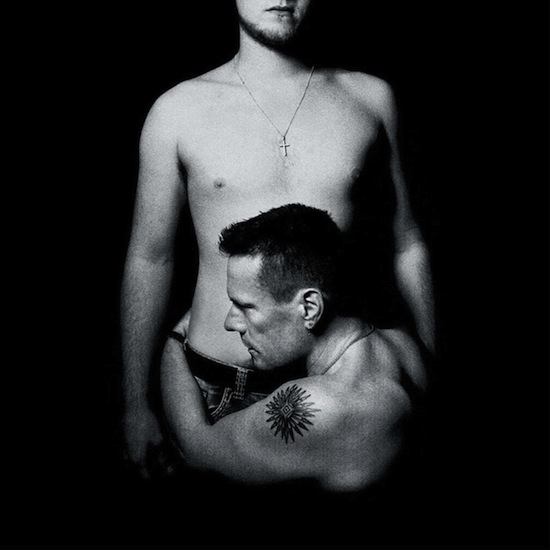
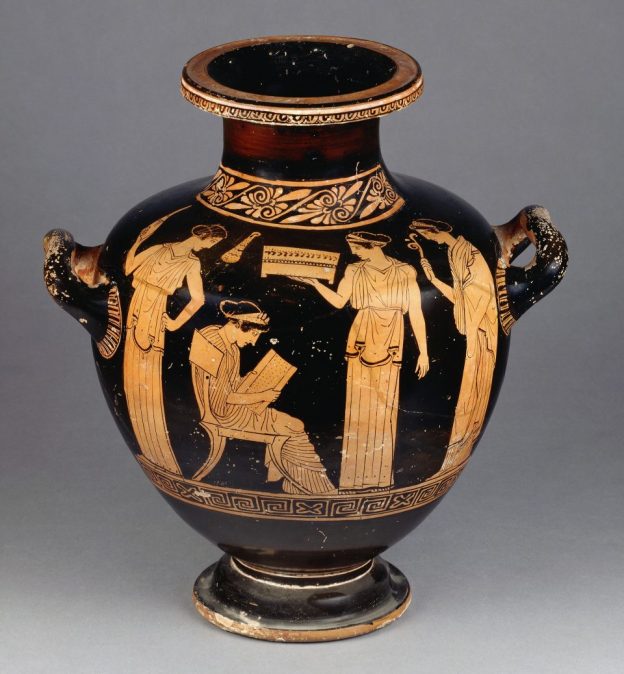
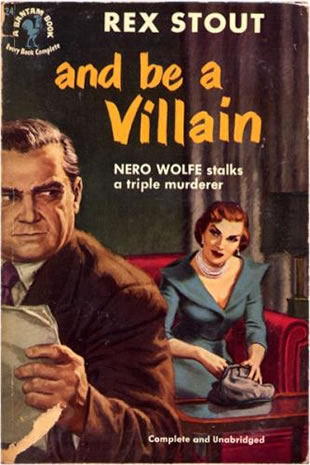


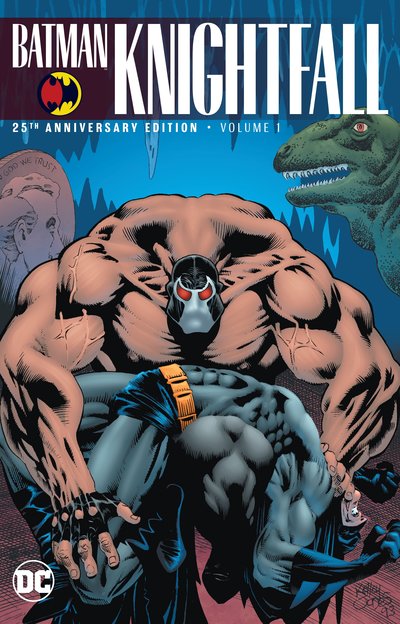
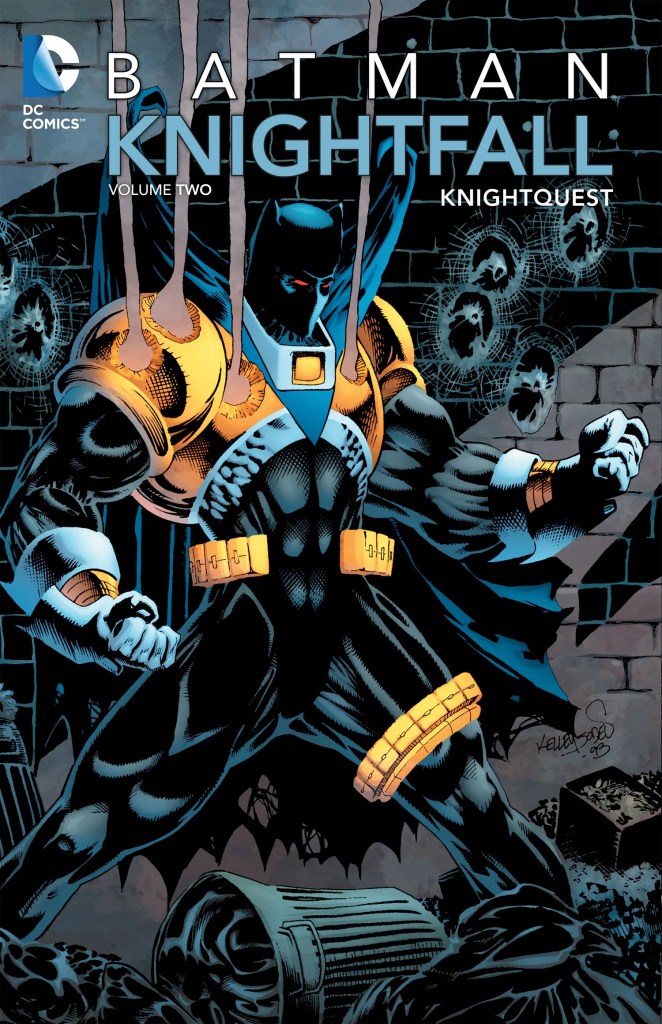
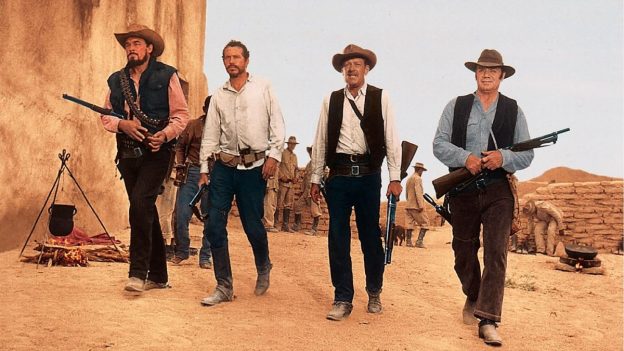
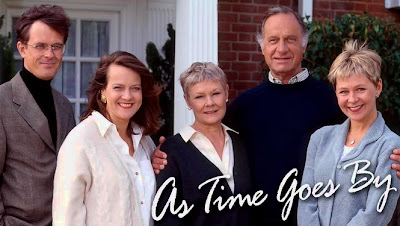
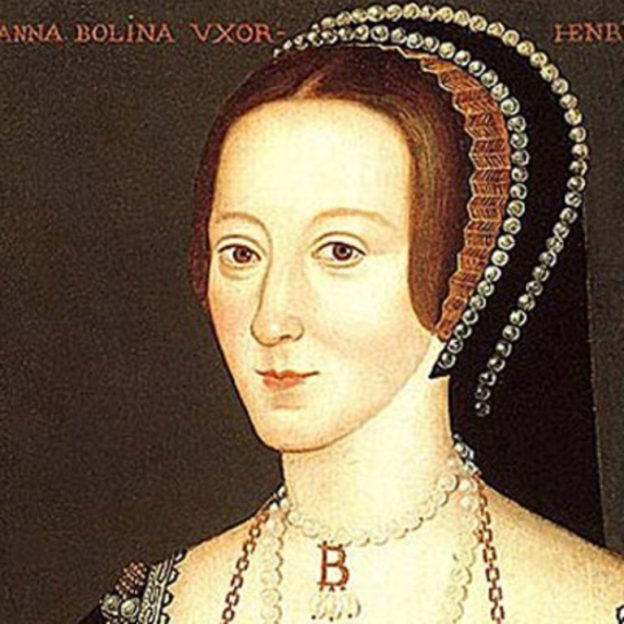
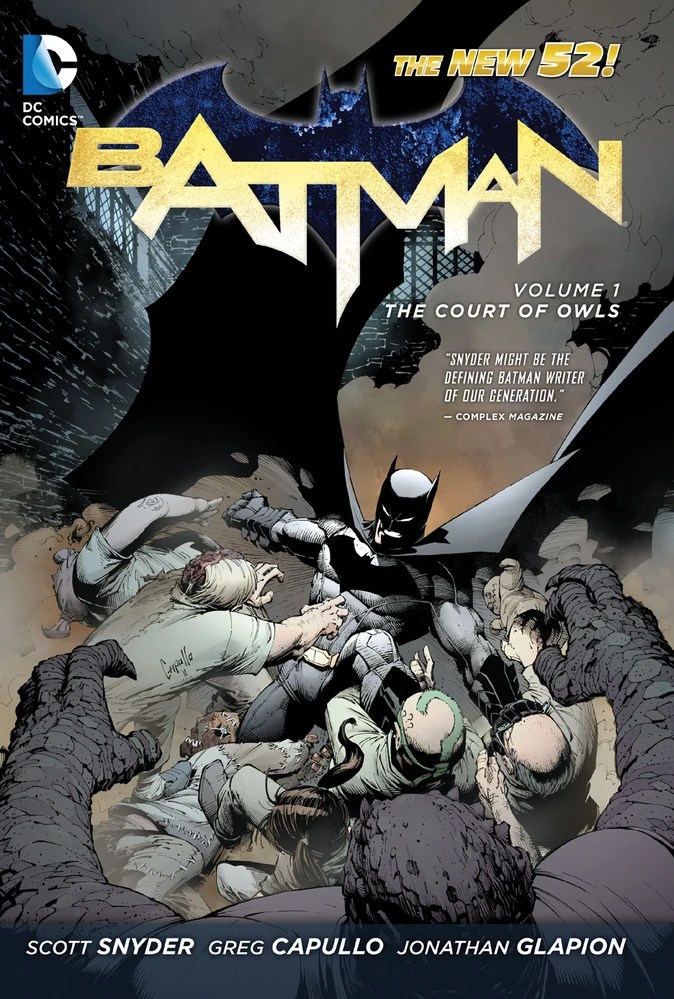
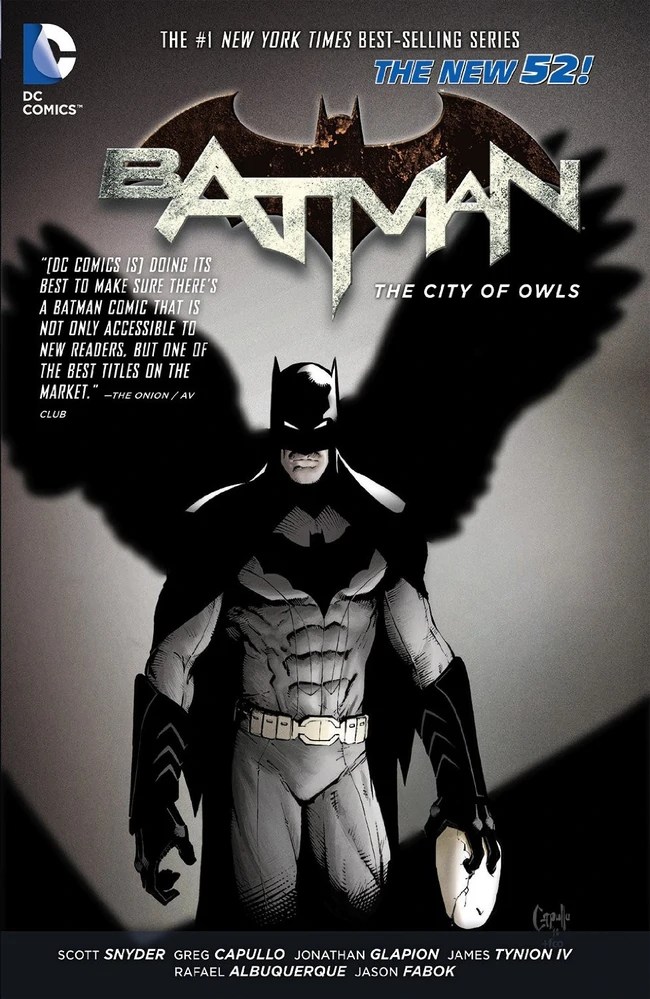
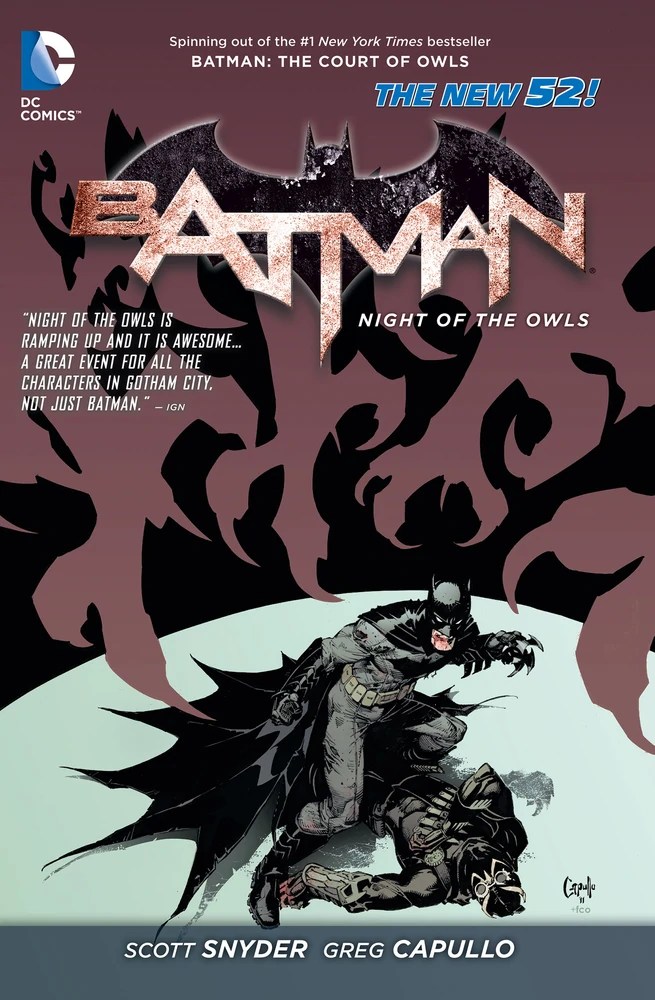
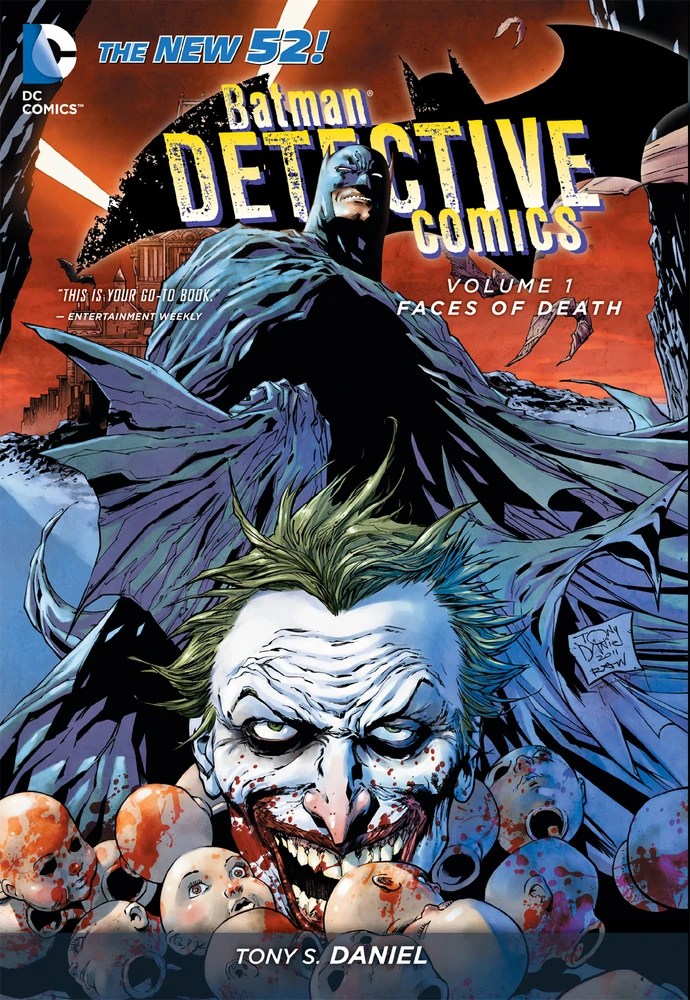
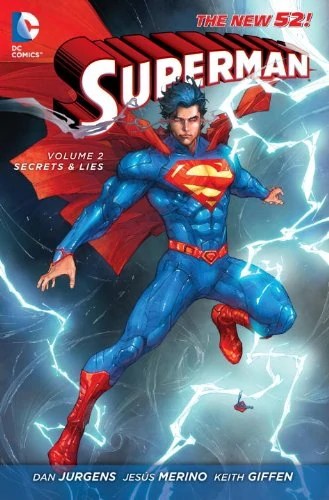
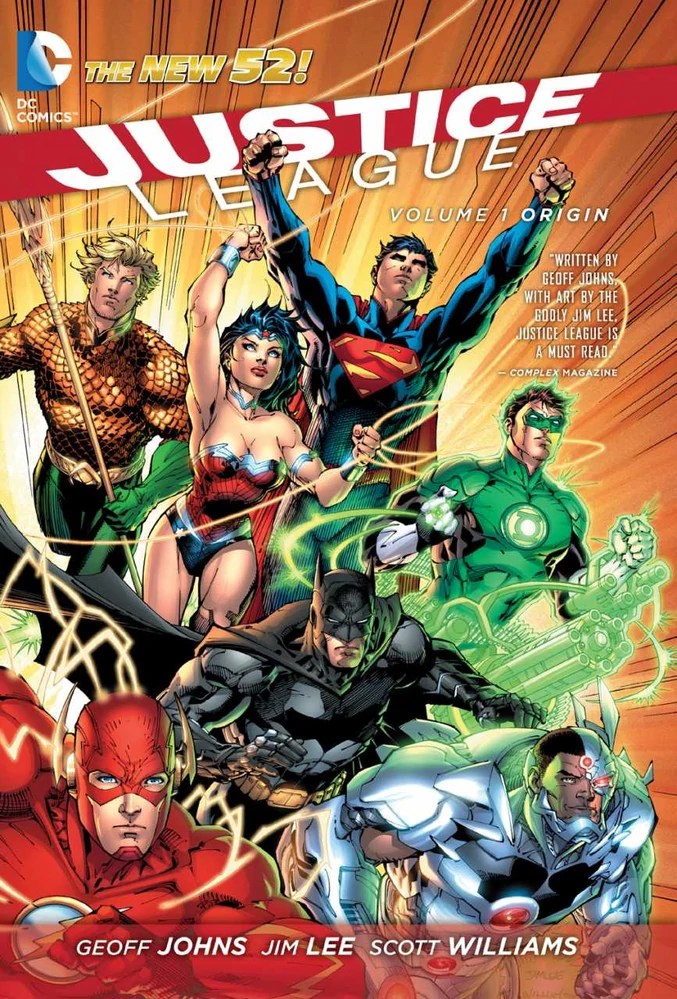
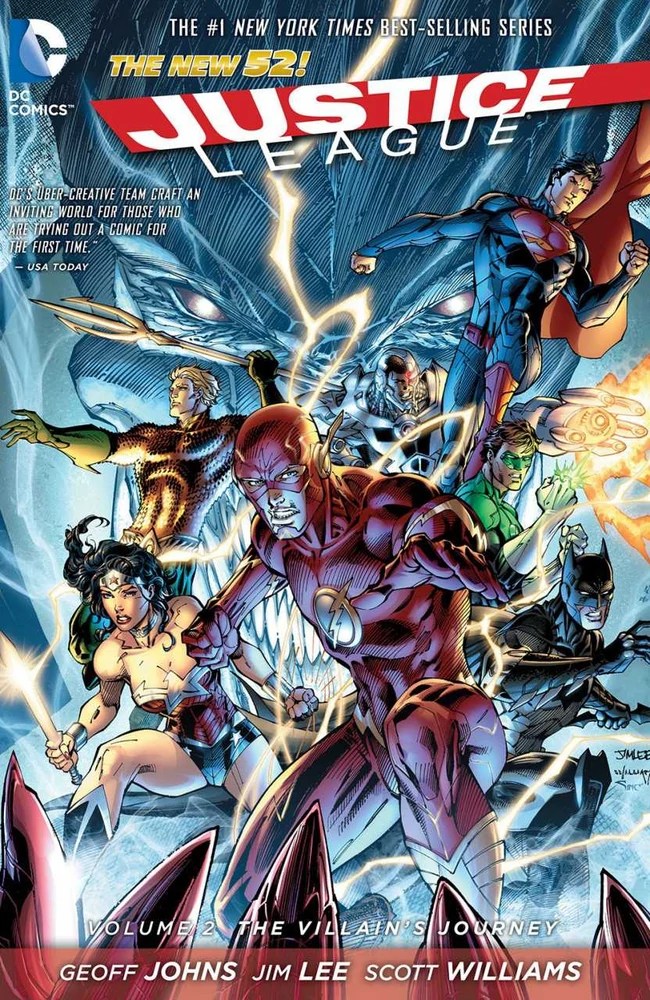
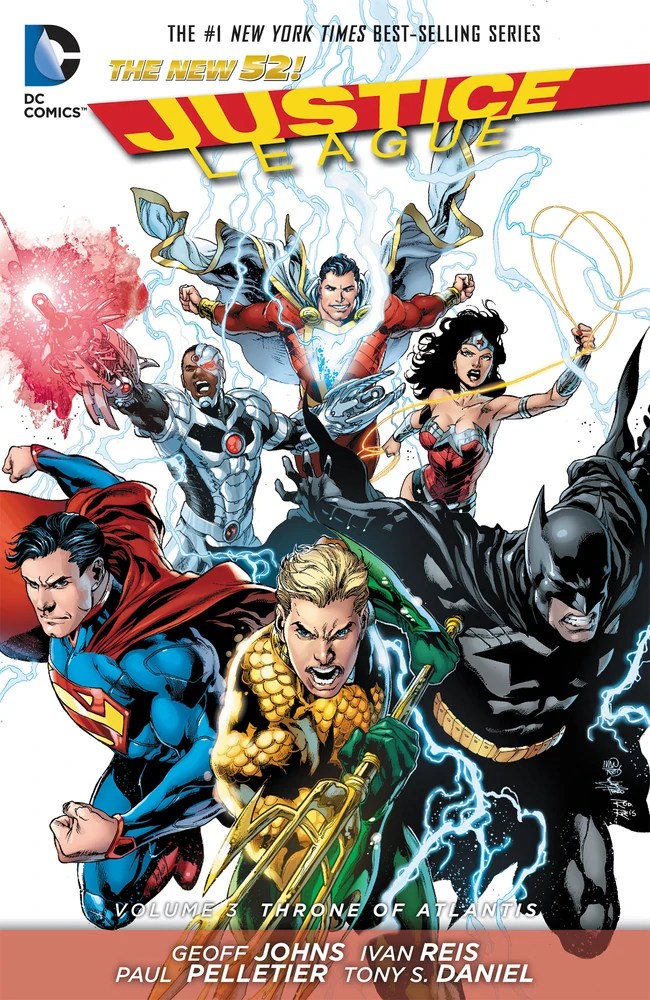
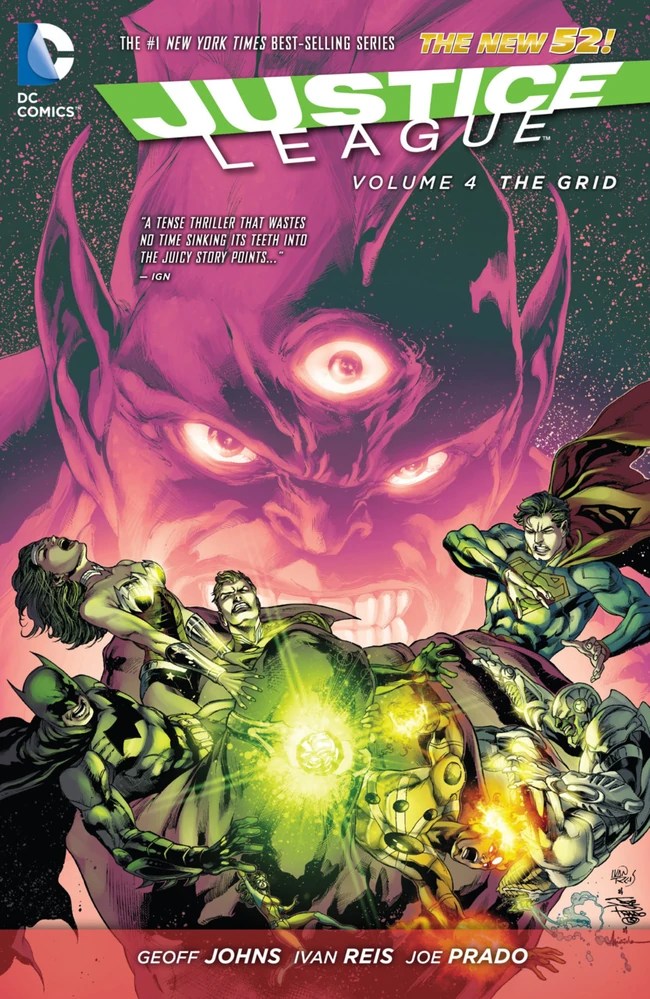
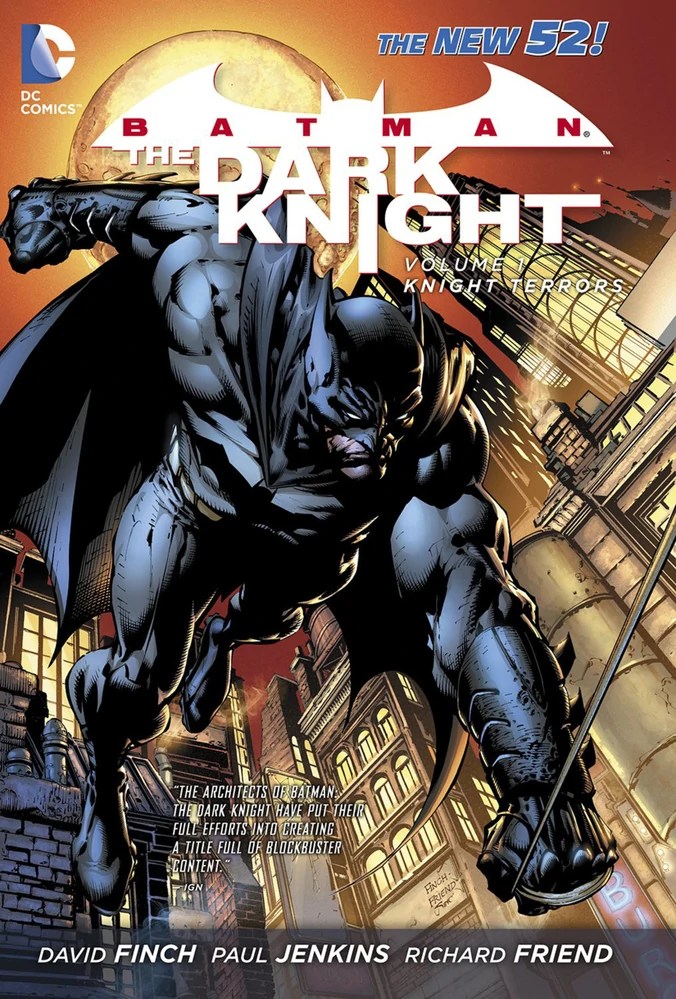
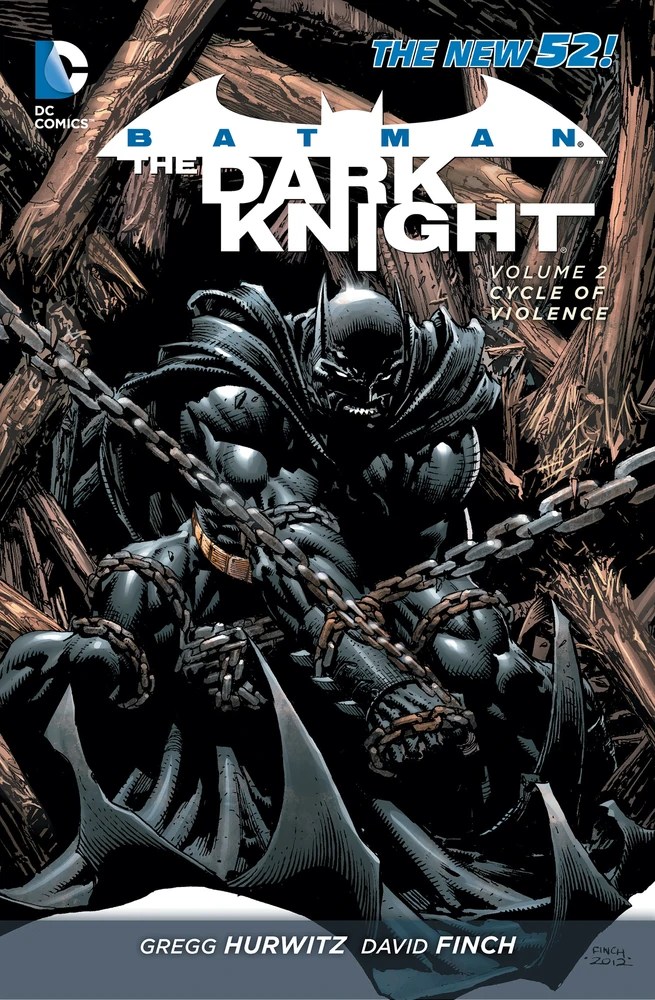

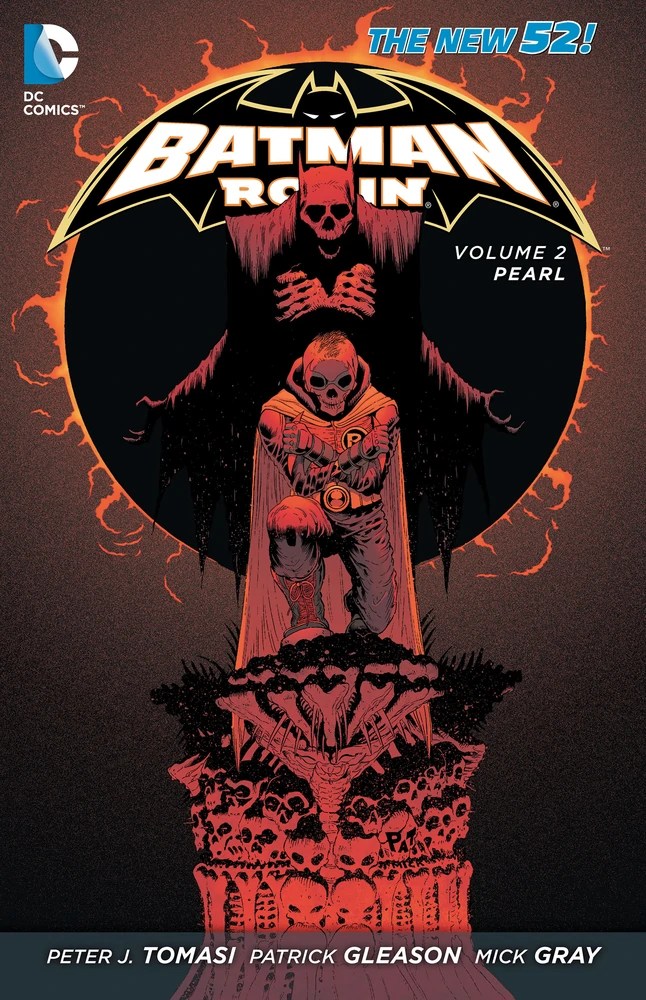
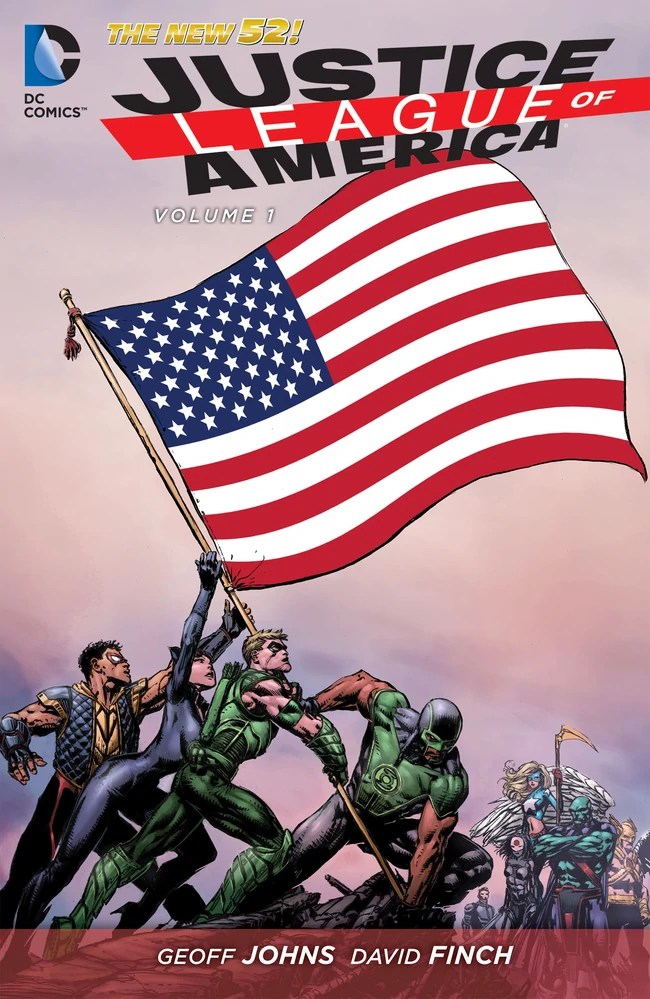

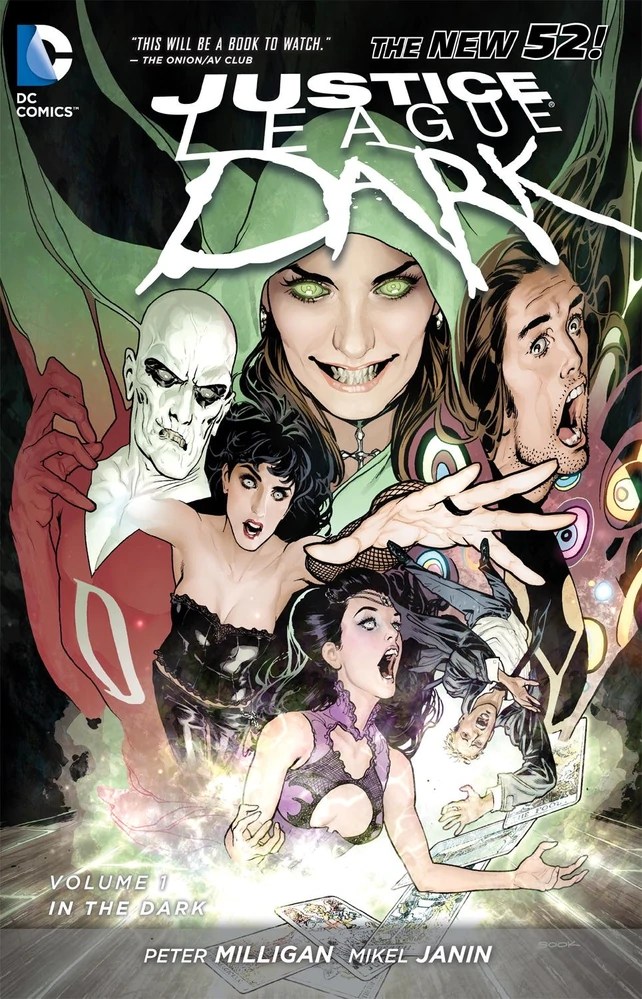
 Redeeming Pandora