
Christopher Rush
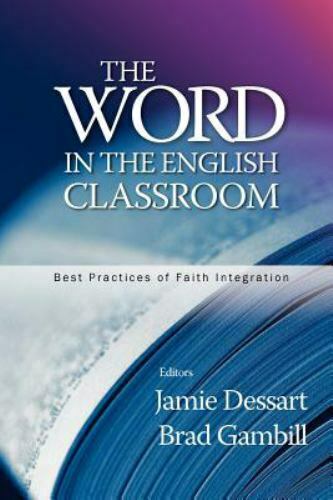
Caveat: I have nothing positive to say about this book. Who is the audience for this work? I truly suspect the intended audience was the CVs of the contributors, especially the supposed editors. This is certainly one of the worst books I have ever read. I thought about giving it 0 stars, but I didn’t want to give John Piper and David Platt comfort one book exists that is worse than theirs. The only good anyone can get from this (other than “look, prospective employee, I published an essay in a book! It’s on my CV!”) is to write down the names of the contributors and warn any loved ones not to take their classes ever. That may sound harsh, but consider it just saving the registrars the trouble of having to drop them after they want to drop their classes anyway. I truly don’t mean to sound libelous, but I read every single word of these essays and they did not provide what they promised. If these are the “best practices of faith integration,” we are all in serious, grave, deep trouble.
The first few essays treat “faith integration” more like “be sure to make room in your lukewarm Christianity for secular writings, because they are good stuff and you have no right not to appreciate them.” One of the early essays goes so far as to decry being dogmatic about one’s faith, especially in the classroom! Several essays throughout the collection warn the prospective teacher against being authoritative, as if all contributions are points of view are valid. In other words, all faiths are equal, effectively, and if your version of Christianity is not flexible enough to applaud Dickinson, Faulkner, Darwin, Marx (multiple authors casually mention their use of feminist and Marxist criticism as if they are truly the ways to read works!), then your “Christianity” needs to be integrated with more faith — faith in the “don’t judge ever” interpretation of Matthew 7, apparently.
This is indeed one of the most disappointing books I have ever read. One contributor at the end even goes so far as to admit she never really integrated her faith overtly into her classroom experience! How does that help us? Several contributors say effectively “since we are Christian college professors at Christian schools, we integrate our faith in the English classroom by reading Lewis and O’Connor.” Wow. “Brilliant strategy — thanks, Napoleon!”
The essay about using R-rated movies in courses likewise embarrasses throughout: since we are all basically inured to “adult content,” it’s okay to get the audience thinking, just never correct any of their statements — conversation is more important than truth. Now, the essay doesn’t say that (none of them outrightly say that), but that is the impression the attentive reader draws from these exercises in puerility. I thought of many more scathing remarks to make about these while I was reading them, but, fortunately, my mind has forgotten them. If you are looking for a book on how to integrate Christian faith into the English classroom, a more useful book than this might be the Advanced Dungeons and Dragons 2nd Edition Player’s Handbook. The alternatives for “integrating one’s faith” presented in this present book are 1) “read Lewis and O’Connor” or 2) “water down your faith so you can delight in Whitman, Faulkner, and everyone who disagrees with Christianity — don’t be dogmatic or stodgy! Get with the times!” No thanks.
I was truly embarrassed by this book. It made me sad to read this is what is passing for “best integration practices” at many colleges today.
 Redeeming Pandora