
Christopher Rush
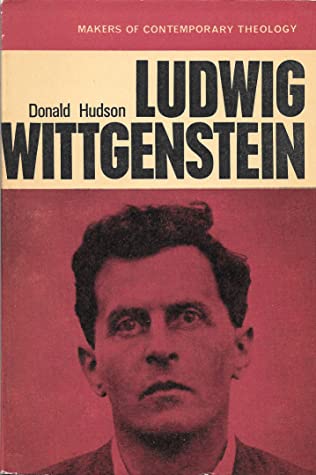
As intriguing and potentially helpful as this booklet it, I’m not sure it really fulfills the promise of the subtitle. Wittgenstein has no intention of connecting his philosophical output to religious thinking, though he seems fairly accepting of people who have it (which is awfully decent of him). Wittgenstein is certainly a tricky fellow to grasp, especially since he spent the latter half of his output refuting the first half of his output. Hudson provides a fairly helpful overview of major ideas, but a good deal of the end is spent somewhat hastily attempting to establish Wittgenstein as a “maker of modern theology,” since that is the series in which this booklet appears. Hudson does present some ideas worth pondering, but their connection to Wittgenstein’s philosophy appear tenuous to me — though I am rather a tyro in the realm of Wittgenstein. Hudson’s book could potentially serve the same function as a prose summary before a canto in the Inferno or book of Paradise Lost: read it first, get a grasp of the basic idea, read the chapter, then go back and read the summary to cement within yourself what it is you just read. Similarly, Hudson could be read before one ventures into Wittgenstein’s work, then read the Tractatus and Philosophical Investigations, then read Hudson again. Perhaps other introductions to Wittgenstein may be more helpful, but Hudson’s commitment to framing Wittgenstein within a religious/theological realm (even if it is against W’s wishes) is intriguing enough to engage in as a reader. Track this installment (and the rest of the series) down and give it a try.
 Redeeming Pandora