I was approaching a large ship with a few friends I had picked up while eating a very fulfilling lunch. We were all completely content, and we skipped along a path made of dirt. It was a narrow path and curtains were surrounding us. We did not see any people, but we saw multiple animals. We laughed together. It was a beautiful day. When we passed the area with curtains, we were exposed to a large clearing. The ship was in sight but seemed like a few days’ travel to get to. My friends and I hopped in a car and drove really fast in the direction of the ship. All of us held lunchboxes, and we compared our food with one another for the majority of the trip. The friend who was driving had the skinniest face I have ever seen. It was as if his head had been smashed in between two trucks, but he was still able to live normally. We all teased him because he looked really silly. It was all fun and games, though. He laughed with us, and we continued to pal around and listen to music in the car. Suddenly, in the middle of the road arose a large shadow. It scared us, so skinny-face swerved, and we hit a rock. Our tires popped off, and all of us began to run around the broken car screaming as loud as we could. Our screams hurt our own ears. My head was throbbing because my friends continued to scream and shriek. It was like we were being forced to use all of our muscles for the sole purpose of screaming. The shadow came over to us and began talking to us. He told us a story of his upbringing and how every day was a struggle for him to live because his family had no respect for him. He then grabbed us all by the chests and began to tear open our ribs to retrieve our lungs. He said he needed them for some reason. We willingly let him do this because he seemed rather nice, and it was relatively painless. Once he completed his extraction of our lungs, he set us down and disappeared into the air. We were sad to see him leave, but we were glad we could continue to venture toward our destination. Fortunately, it was not any harder to breathe without our lungs so we could continue with ease. Unfortunately, our car remained broken from smashing into the rock, so we began walking the rest of the way. The ship was still far away, so we decided to make rope swings that would make the trip a little easier. My friends and I took hundreds upon hundreds of ropes and tied them together. We then lassoed the ropes around the ship and began swinging toward it. It was tiresome, so we decided we would just pull the ship to us. So we did.
The ship was completely white and could probably hold about 50,000 people. We stepped aboard and a man greeted us with some flyers written in some foreign language. I learned to speak and write this language and then translated the flyers for my friends. We liked what the flyers said, so we ran through the ship with spears in our hands. Cottages were burning and people were screaming. Every corner we turned there was some sort of destruction happening. We, being the nice people we were, tried to help everyone. We built a pool for the kids to swim in to get away from the fire. We built a slide for some dogs who could not move their mangled legs. Our help was much appreciated, but there was too much to be done to make a true impact on the situation. The ship set sail, and we embarked to a place called “Little Creek.” My friends and I decided to find shelter and build fortifications for security. No one knew what exactly we were trying to defend ourselves from, but we were positive we needed to do it. We took hundreds of stones and set them up in a circular fashion. We then sat around in our circular stone structure, and I talked to myself about college. A loud bang startled me, and I began to rally the men to stand by my side and defend ourselves. But we were no match for the nothingness we faced. My friends began to fall apart, literally. It began with their fingers and eventually they were nothing but heads flopping around on the floor. I was lucky enough to stay intact and safe from whatever was attacking us. I picked up all of my friends’ heads and decided to put them in a bag I could haul around everywhere. This was annoying, but I figured I owed them the best seeing as how they had been my friends for all of the trip to the ship. They talked in the bag to themselves, and I had to repeatedly tell them to be quiet because it could blow my cover. I did not want anyone knowing who I was. People would probably try to hurt me if they found out I was the one dreaming this situation into existence. It was my reality I was forming and creating, and most of the people hated it. For instance, as I carried the bag of heads around, people were looking at me with disgust, and then they would simply fall on the ground and die. This happened multiple times, and I did not understand why everyone looked so negatively at me. I had disguised myself well, but they continued to single me out and stare at me. If they stared at me, I would stare right back and watch them fall to the ground. It was sad but necessary. The ship set sail, and we left the hill we had sat upon and headed out onto the sea.
The ship approached a large mass of trees floating in the ocean. We penetrated the trees and began traveling much faster. We were moving on a small creek that should have in no way been able to support the weight of our ship. It was a twisty creek, and our ship eventually tipped over. Everyone aboard fell and climbed off on to dry ground. I was lugging my bag of heads with me and began to get tired of it, so I gave the bag to one of the woodsmen. In return, he gave me some fishing line and a hook. I began to run away from everyone and separate myself from the crowds. I fashioned a kite out of the fishing line and hook and flew into the air. The air was cold, and it hurt my lungs, so I decided to go pick up a drink. I picked up some chocolate milk and headed back to the broken ship. I resolved I was going to kill whatever was hurting so many of my fellow friends. I charged into the ship. It was dark and gloomy. Not one person followed me. As I paced up and down the halls of the ship, I sung a song I made up. It was about my favorite television show, The Office. As I sung out different names of the different characters in the show, they appeared behind me with weapons, ready to fight. Jim, Creed, Dwight, and Kevin became my army. Jim held a mallet. Creed held a large stool. Dwight held a sword longer than twenty normal swords, and Kevin had a lion on a leash. We ran through the hallways of the ship, screaming. We could not find anything that appeared to be dangerous, so we decided to turn around and just go back to the village on dry ground. But then, out of nowhere, a frog the size of a normal frog leaped out onto our pathway. He began speaking in a foreign language Creed was lucky enough to have known. Creed was too scared to translate it for us, though, and died on the spot. We buried Creed and made sure everyone knew he had, in fact, been too scared to translate anything. We then resumed our confrontation with the frog. He had eyes that could melt away a skull and legs that could propel him to the moon. I squashed him, and we left the ship laughing.
Jim, Dwight, and Kevin decided to go home, so I drove them to the airport and said my “goodbye”s. Once they left, I decided to go back to the village and help start up the new colony. I helped everyone build houses, libraries, and restaurants. It was a nice town. It was free from the worries of the modern world, and we liked the isolation. We only ate pineapple, but it never got old. I met a nice girl and decided to marry her. We had several kids, and they grew up faster than you could imagine. I became a lumberjack and made a good sum of money that comfortably provided for my family. One day, I approached a tree I was supposed to cut down, and I looked inside it. Something grabbed my face and engulfed me into what seemed like a whirlpool of colors. I tried to push it off, but it was inevitable I was going to get swallowed alive. The whirlpool of colors became my new home. I hated it. It was like living in a bubble only big enough for your body; lights were flashing color into my eyes, and it was absolutely silent. I could not hear myself talking or even thinking. I bounced around in my color bubble, oblivious to my surroundings. All I could think about was my family, but I realized I was never going to be able to see them again. This thought made me sad, so I decided to stop moving and just sit in my bubble and ponder a way to escape. I fashioned a needle out of some strands of yellow and blue and popped the bubble.
I was startled to see I now stood in a desert, but instead of sand it was full of tiny plastic beads. Although it was not the best place in the world, it certainly was better than that colorful bubble. I ran through the plastic beads and rejoiced. I eventually reached a hill and began to ascend the hill. As I ascended, it began to turn in to more of a mountain; a really tall mountain. I put on some conveniently placed climbing gear and began to scale the vertical walls of the mountain. I knew at the top of the mountain I would find some sort of prize. I was about forty feet from the top of the mountain, and then I lost all feeling in my hands and feet. Not only did I lose feeling, but I lost the capability to grab anything or move. As frustrating as this was, I began to use my forehead to slowly but surely scoot my way up to the top. My feet and hands fell off completely now, and my throat was parched from not drinking enough water. After three days of constant hiking, I reached the top of the mountain. Sure enough, at the peak, there was a gift. It was wrapped up in red packaging tape and in a box about the size of a desk. I unwrapped it and opened the box. Inside the box was a bag. Inside the bag were the heads of all of my companions. I slowly looked up in despair and saw the frog I had squashed laughing at me. He snapped his fingers and the world around me changed into its original form. So once again I sat trapped in a color bubble longing for my release. Then I woke up.
New York, September 11th, 2001: as the Twin Towers collapsed, the world watched in horror. Everyone was in shock at the destruction of one of America’s greatest landmarks, but the towers weren’t the only buildings destroyed on 9/11. On that fateful morning another building was opened before the towers; Matins at St. Nicolas Greek Orthodox Church began at six am. Matins, thankfully, were over when the first plane struck, and the church was empty when the towers collapsed right on top of it. St. Nicolas was the only place of worship destroyed on 9/11. It had been in New York since 1916, but it has taken ten years to finally reach an agreement on it being rebuilt.
In recent years there has been quite a controversy over the building of a mosque at Ground Zero. Mayor Bloomberg has been in full support of this mosque and has let the proper paper work come through; St. Nicolas is a different story. It is a story with a lot of mystery and a lot of finger pointing. The parish of St. Nicolas has been fighting for many years now; St. Nicolas isn’t just a place of worship to the parishioners, however: it has a deep history; it has the history of their ancestors.
St. Nicolas was founded in 1832 by Greek immigrants. These immigrants were very poor and not very well accepted in the local community. They had a hard time finding funds to pay the priest, let alone build a building. The church was started in a house on Liberty Street in New York. For the Greeks it was their place of worship that still reminded them of home. To those immigrants, it allowed them to hold gatherings and talk about their old country. In the eastern United States, this is how Orthodoxy spread; it was carried to America by immigrants.
The church continued switching from house to house. The church’s community was growing quickly, though, and house churches were no longer working, so in 1899 the church moved outside. The church had no permanent building because the Greek Archdiocese couldn’t raise money for it. The Greek immigrants were very poor at this point in time; they were struggling to make ends meet. Then, in 1916, a bishop of the Russian Archdiocese, (Saint) Raphael made an appeal back to Russia to send funds to help the struggling Orthodox community of New York. The letter sent back to Russia did not make it into the hands of the church authorities but rather into the Tsar’s. He gave a very generous donation; the amount is still unknown, but it was enough for the construction of a new church building.
The building itself was one of the last gifts ever given by a Tsar to a foreign country. After the building went up, it didn’t just serve as a house of worship but also as a gathering place for all Orthodox Christians. It was an important staple in the community until the day it was destroyed. St. Nicolas was the only religious non-World Trade Center building destroyed on 9/11. The Orthodox community lost one of the oldest standing Orthodox churches on the east coast. Perhaps more shocking than the church’s destruction, however, is how long it has taken just to get a deal to rebuild it. It has taken ten years just to make a deal on beginning construction. Both sides don’t trust each other, and the outcome of the current deal still looks bleak according to the Greek Archdiocese.
The confusion started in 2003, when the Greek Archbishop went to go meet with the head of the New York Port Authority to discuss reconstruction efforts. The appointment never happened. The Port Authority said no appointment was scheduled and that he’d have to come back. The Archbishop did come back at a later time, but the Port Authority did not offer much help. Negotiations on the rebuilding of the church would take place over ten years. Every time the two sides would reach an agreement, a little while later the other side would ask for more. The church was asking for some funds in the form of a loan to help the rebuilding process; when that happened in 2008, the Port Authority stopped all discussion.
The church was outraged, but it could do nothing. The church and the Port Authority were locked in a stalemate. Both sides, of course, blamed each other for the fact no agreement could be reached. Mayor Bloomberg also got his say in the matter; he wanted to raise the price of the building permit of the new church by 5 million dollars. This was just kicking a man while he was down — the church at this point had decided to yield somewhat to the Port Authority, but when Mayor Bloomberg asked for the raise in permit cost, the church took it as an insult.
What Mayor Bloomberg didn’t realize was he got himself involved in a case that would show his own hypocrisy more than anything else he’d done while in office. When Mayor Bloomberg raised the price and talks started to stall, it was in 2010, right at the height of the “Ground Zero Mosque” debate. Mayor Bloomberg defended the mosque by talking about freedom of religion and equality for all.
The Mayor wanted to build a mosque at Ground Zero, but he refused to even try to help St. Nicolas, the only place of worship destroyed in the 9/11 attacks. The debate of there being a mosque at Ground Zero is a debate for another time. The point is Mayor Bloomberg defending the rights of the mosque by saying it will show “American principals of equality” is just a lie, really. He treated the Muslims better than the Christians. He was going to charge the Church more to rebuild than he was going to charge the mosque to start building. That was his plan, but some news organizations got ahold of the story.
Fox News was the first tv station to run a nationwide story on the church. It was now becoming a point of public outrage in New York City. Eventually, the mayor yielded; he dropped the permit price back to normal. After that, talks started back up, and after much passionate debate and arguing, the Port Authority and the Greek Orthodox Archdiocese reached an agreement in October of 2011. The agreement states the Port Authority will give the church land three blocks from its old location, and the Port Authority will also give 20 million dollars to help make the building’s parking garage bomb-proof.
This story will not be the last of its kind. In modern day America is an obsession of being politically correct. This means we should all be more accepting of other cultures and religions; what this is starting to lead to, however, is a disdain for Christianity. Christianity does teach to respect people of other backgrounds, but it also says that those religious backgrounds are wrong. In this new politically correct world some of the media and people in charge are trying to make, there will be no such thing as “right” or “wrong” — only what one’s culture teaches. This goes against Biblical Christianity, and as a result the backlash against Christianity will be harsh; it is already seen in the media. Christians are often pictured as narrow minded and judgmental. We must show love to all humans, even the lost ones, instead. The warning signs are there: Christianity is no longer “politically correct,” and it will be treated that way in the media and by government officials, such as Mayor Bloomberg.
Bibliography
Abdal, Fr. N. “St. Nicolas and the Mosque.” The Word. 13 June 2011: 23-30. Print.
Our generation is a breeding ground of average. This sounds harsh, but after much observation I have come to this final conclusion. This is strictly an opinion and simply a theory.
The promotion, even celebration, of average is the norm for the youth of American society. Generally, most middle school through high school students lack motivation to truly learn, experience knowledge, and apply themselves. The mindset now is one of “getting by.” Students often perform under or just up to the required scholastic standards. It’s actually a scary prospect if we take a step back and look at this. I urge you not to immediately and belligerently cry foul and defend your age group but listen to the assertions.
Excellence is discouraged by peers. Those who are not gifted with intellect or are too lazy to apply themselves scoff at those who do. This has been a recurring theme in every generation to attend school. We see it in the old ’50s movies, where the dumb brute makes the smart nerd do his homework. We see it in the ’70s and beyond where the smart guy stays behind while the popular kids race off in their fancy cars with the insensitive jocks laughing at the poor fellow working ahead. Now in the 21st century we’re faced with the same problem: being smart is not cool. Those who are blessed with intellectual talents or even just the desire to work hard at something are put down by the rest of middle/high school society. Many capable people often abandon their pursuit of excellence to become one of the group, cool, and accepted.
For one to break the bonds of average and rise above mediocreville is something actually looked down upon. If one is seen working ahead in homework during free time, he is questioned by the group of guys asking, “Why are you doing that? I didn’t do that and neither should you. Do you think you’re better than us?” Excellence is looked on as a fluke and is often shied away from because of the criticism that follows. People gifted in a certain area, say dancing, singing, musical instruments or even writing, are seen through jealous eyes. That’s where the real root of the problem is. Jealousy is what fuels the lazy to ridicule the industrious. Compliments of talents today are even very discreetly backhanded. In response to excellence people say, “That’s crazy, man. That’s insane/ridiculous. You’re too good.” These compliments, if one looks at the real meaning, are said as beneficial statements, but at the same time let the one who is excelling know he stands alone in that area.
Many intellectual or excellent events such as Model UN and Boys/Girls State used to be a place where only the smart kids went. Why would anyone who’s “worth something” go to one of these seminars? The answer today is, it’s all about the résumé. Average students toward the end of their high school career are realizing college is the key to success. Not that they want to go to get a real education; they go only to graduate and have a solid, decent-paying job. Their goal now is to attend esteemed organizations college interviewers look favorably upon, just to put it on the résumé. I know this when I attended both mentioned programs: this type of person made up the majority of the attendees. For example at Model UN, people did not want to contribute to the program in any way; they just wanted to be there and get credit for it. They sat at the back of the room, joked with each other the entire time, and made fun of those who actually wanted to excel in the organization. It eventually turned into a social and hook up time for the guys and girls attending. An important and helpful program has been downgraded to another bullet on the résumé.
A mindset like this that inhibits creativity could present a more grave consequence in the future. When our generation is grown and produces the then-current decision makers in politics and economics, this way of thinking could be detrimental. If Americans in the years to come are lax in policies and don’t pursue innovations and new ideas, then America will lose her world dominance. Our economy is bad enough as it is. Picture American society comprised of men and women who just didn’t care. The Model UN people are now adults. If they continue down the “I don’t care” path, then what type of country will we live in? A country that has shifted from a booming industrial and creative culture to a lazy, self-serving, average culture. For an entire society to lose the passion and will to compete, strive, and pursue the unknown is shattering. Many European countries have lost this very will: Greece is almost a third-world country, any Eastern European country is almost unheard of, and Italy is near bankruptcy. It’s disheartening to see any once great country fall, but they should serve as warnings to America not to be average.
It all starts with us. We need to ignore the naysayers and avidly pursue a career and way of thinking that inspires creativity and industry. The day we stop is the day our country falls down the slippery slope. Continue to excel and rise above the curse of average.
In September of 1963, the hardworking creative team of Stan Lee and Jack Kirby followed up their tremendously successful Fantastic Four with their latest two modern-age heroic teams: the Avengers, a gathering of adult, costumed, science-powered heroes (and the god of thunder), many of whom had been recently introduced in the long-running anthology series Tales of Suspense, Tales to Astonish, and Journey into Mystery; and the X-Men, a gathering of genetically-mutated teenagers banded together with the common goal of creating a world in which humans (homo sapiens) and mutants (homo superior) could live in peace and harmony. With these releases, the modern (now known as the Silver Age) Marvel Comics Group was born, and the world of comics was changed forever. Shortly thereafter, the Marvel universe we know today (generally speaking) came into existence: Dr. Strange, Daredevil, Nick Fury, and, of course, your friendly neighborhood Spider-Man (not to mention all the villains). The ’60s were certainly a remarkably fecund time for creativity, and I certainly wouldn’t want to disparage the talents of any of these world-changing men … but sometimes Stan Lee’s writing gets a bit silly. The preponderance of exclamation marks, especially, is noticeably embarrassing, as well as the Bullpen’s unwillingness to take their own work seriously (at least as evidenced by the letters columns in so many early issues of these series — though it is certain Lee, Ditko, Kirby, Rosen, and the gang did take their work seriously, their overly-self-effacing tone is irritating at best). Without giving away too many plot spoilers, below is a collection of reviews for the first nineteen issues of the X-Men canon, written by me mostly this past summer when the sun was shining and the birds were singing and I was delighting in staying inside reading comic books.
1) “X-Men”
Little remains to be said about this issue that hasn’t been said several times in several ways. One thing that stood out to me when re-reading this was the meticulous precision Xavier requires: three seconds for this, three seconds for that. I suppose that is a good tactic, but their training sessions in the first few issues seem so brief it’s hard to tell when they actually do their real training (in between issues/major battles, most likely). Another noteworthy element is their teenage antics and rivalries. It’s easy to forget after so many decades’ worth of issues and stories they started out as petulant, hormone-driven, brash neophytes. Bobby Drake, in his snowman form, plays the class clown well; his antagonism with Warren is intriguing, almost as much as his disinterest in Jean’s arrival. Warren is as overconfident as the rest, despite the fact all they’ve done is train in Xavier’s study (not even the basement, let alone called the Danger Room yet). Hank is not yet the mathematical/scientific genius he becomes soon — he is just a muscle-bound gruff who takes no orders from “Slim” Summers. They really are not a team at this point. We do not yet know how long they have been doing this, but it must have been some time — even though Jean is thrown into combat with Magneto on her first day at the school! The cockiness of the X-Men combined with Xavier’s willingness to just send them against Magneto makes for an odd beginning point on reflection, but there is none of Xavier and Magneto’s backstory here, not yet. Xavier knows there are evil mutants in the world, but we don’t know how he knows this yet.
Perhaps the oddest thing is the army’s appreciation for what the X-Men do — no real antagonism for the X-Men here (though maybe they weren’t paying attention and don’t think the X-Men are mutants). It is quite telling reading this so close to having read Graphic Novel #4 and the premiere of the New Mutants — despite the team’s success against Magneto, Xavier’s reticence to let the New Mutants combat evil mutants makes this original mission of the real first class of X-Men almost foolhardy. Other little details make this more quaint than anything else: Xavier’s Rolls Royce, the mind-powered airplane, Magneto’s Wicked Witch of the West impersonation with the message in the sky, Cyclops’s slicing through Magneto’s magnetic waves — strange, in retrospect. At least “The Dream” of humans and mutants living in harmony is there from the beginning. We shouldn’t expect fifty years of accretions and connections to be there from the premiere. Another positive is the absence of clear origins allows for more detailed character development later on. It’s a decently good start, all in all.
2) “No One Can Stop the Vanisher”
Somehow, not only have the X-Men gained some sort of notoriety in New York for fending off Magneto down in Florida, but also the populace knows their code names. Why the Angel is a favorite among the ladies is unclear, considering his face is covered by a mask like Scott and Hank — perhaps the ’60s girls liked the wings. The beginnings of limitations on their powers is a good development especially this early in the series — despite their overconfidence (perhaps because of), it wouldn’t be good to have a group of teenage mutants with no limitations beyond inexperience. Bobby Drake is still the source of humor; his riding in the back of an ice cream truck (and stealing three chocolate chip pops) is a lighthearted highlight missing from issues these days. Hank’s linguistic style is starting to form, which is another nice development into the more-familiar version of the character, but it’s definitely in the early stages — he’s still more brute muscle with a touch of ego than physicist at this point. The X-Men still do not function well as a team; their antagonisms toward each other drive them more than following Xavier’s Dream, as well as their desire (the guys, at least) to impress Jean.
The Vanisher is an oddly-designed villain. Though he at least wants something tangible, his ability to vanish shouldn’t make him that much of a threat, which is probably why he has hired hooligans to take care of things just in case. He apparently can’t teleport things he can’t carry, so if the government just stopped keeping secret plans on tabletops he wouldn’t be much of a problem. The FBI liaison Fred Duncan is an odd addition as well, considering Xavier is supposedly the strongest mind on the planet (who insists on keeping his connection to the X-Men a secret). Why he’d need a special machine to amplify his thoughts (especially since he piloted a plane with all X-Men aboard from New York to Florida in the first issue without one) from New York to D.C. makes little sense. Certainly the most intriguing aspect of the issue is Professor Xavier’s willingness to mind-wipe the Vanisher with little to no moral hesitation — it took the mutilation of Wolverine for him to do it to Magneto in the impressive Fatal Attractions storyline 30 years later! Well, it’s still early yet. Lee is still working out who they are and why they do what they do. We can take comfort in the fact moral implications for their actions will become a more palpable aspect of these characters and their stories, especially when Chris Claremont takes the reins.
3) “Beware the Blob”
Everybody loves Jeannie. But few of them will admit it. Xavier’s reticence to announce his love for Jean is based on his physical shortcomings, not any relational transgressions between student and teacher. Now-Scott (no longer “Slim”) Summers’s reticence is based on his fear of losing control over his optic blast, finally adding a sympathetic aspect to his character. Unfortunately this sympathy is short-lived once he attacks the Blob (from behind!) with no real provocation, making the X-Men seem more like the Yancy Street Gang. Further character development comes in Hank’s refinement into both a student of advanced mathematics and a humorist as nimble vocally as he is physically. Even with these advancements (and Warren’s first indication of his wealth), the X-Men show all their individual training has made them individual fighters, with little ability to work together as a team. Once again they get captured individually and need Xavier to save the day, and once again Xavier mind-wipes the bad guys with little to no moral hesitation. Since he is only erasing their knowledge of the school’s location and their identities (by which I assume Stan Lee means what they look like under their masks), it is slightly less malicious than what he did to the Vanisher. They may have triumphed together, but only because Xavier saved them. They still have a lot to learn.
4) “The Brotherhood of Evil Mutants”
Meanwhile, one year later … (have the X-Men really been training for a year since Jean arrived in issue 1?) With this issue, X-Men begins to hit its initial stride. Lee and Kirby finally deliver an issue with layers of conflict, genuine motivation, and a satisfactory payoff. The House of Ideas was big on beginning their new series with origin stories, but the X-Men did not really get one, nor do the Brotherhood of Evil Mutants. Though Xavier told us a bit of his origin in issue 1 (being born to parents who worked on the A-bomb and in the wheelchair because of a childhood accident — which soon is either retconned, proven a lie, or forgotten by Lee), we don’t yet know of any of the origins of the X-Men themselves (Jean did say she has had this power all her life, not since puberty, which becomes the typical moment for x-power appearances later in the X-Universe). The Scarlet Witch comes closest to having the next origin revealed, though we aren’t certain it is the first appearance of her hex power, since the enraged villagers know her already, nor do we know why Quicksilver wasn’t there to help but Magneto was. Quicksilver from the beginning is set as a morose, morally ambiguous character whose main concern is the safety of his sister: since she feels obligated to stay with Magneto, he stays with her (even though he does prevent the destruction of innocent civilians at the end). Though this issue is before we know of Magneto’s Nazi-affected past, it’s difficult not to find something odd in his use (through Mastermind at first) of very Nazi-like soldiers in his usurpation of Santo Marco. His genocidal tendencies against homo sapiens becomes very complex once that aspect of his past is uncovered. The great astral plane confrontation between Xavier and Magneto is a nice (albeit brief) beginning to their conflict (until we find out they knew each other long ago, rewriting what Xavier says here and in the first issue): “You have made your choice — forever we are mortal foes!” declares Magneto; a very chilling, exciting moment.
Once again the X-Men have great difficulty in working as a team, though their vocal antagonisms to each other are fading away a bit (Bobby still seems to love ice cream). Considering how powerful Xavier is supposed to be, it doesn’t make too much sense he has to throw himself from his chair to protect them from the blast instead of just mentally forcing these youngsters to stop in their tracks. As mentioned above, the X-Men need someone else to save the day — this time it’s Quicksilver, and Magneto escapes again. With Xavier’s powers gone, and the X-Men on a losing streak, they really need to get their teamwork together. After a whole year, they should be better at this “stopping evil mutants” career, even if they are still teenage students with only four known battles’ worth of experience.
5) “Trapped: One X-Man!”
Stride: broken. This supposed year of training did not really prepare them for this extra-terrestrial adventure, despite what Xavier says at the end. Once again the X-Men prove they are not yet a fighting team — they care more for each other’s well-being than for accomplishing their mission. I’m not saying these young heroes should not care for each other, but most of their battles against their doppelgängers (the inaccurately-named “Brotherhood” of Evil Mutants) consist of getting initially ambushed, stopping their pursuit to help each other out, then catching up and somehow figuring out how to end it in some coincidental fashion. Marvel Girl can lift a half-dozen girls up onto a theater marquee but she can’t lift Beast? Why not just have her engulfed by the mob instead of too weak to raise him up? Her parents visit for five minutes after her being away for an entire year? How did Xavier get so many government contacts before the X-Men even went semi-public? Why did Magneto send a rocket to pick up Toad after he said he’d rather have Angel anyway? Why did he let the X-Men escape with it if he controls the rockets himself? This issue may have been written a bit too hastily. The populace has gone from “in love with the X-Men” to “willing to assassinate the Toad for making a mockery of Track and Field,” which at least makes Xavier’s Dream a bit more necessary. The Danger Room is set on automatic — a terribly careless design. The lack of leadership by Cyclops continues, and Beast is the more decisive one in the assault on Asteroid M. Scarlet Witch’s surprise at Magneto’s willingness to kill the Angel is bizarre, considering he was just willing to blow up millions of civilians back in Santo Marco (either a day ago according to the X-Men, or weeks ago according to the Brotherhood — time passes by differently in outer space, after all). Angel finally shows some internal strength in his ability to withstand Magneto’s sensory inundation torture, which is at least one small positive aspect to this issue.
The series of magical conclusions at the end makes for a disappointing finish to the impressive first part of this conflict in the previous issue: Magneto forgets about the X-Men while confronting Quicksilver, Marvel Girl hurls a canister through “unbreakable” glass, all the X-Men have to do to survive the thousands of deadly darts is duck behind the doorway, someone somewhere somehow started detonating bits and pieces of Asteroid M, Mastermind goes from being able to mesmerize an entire nation to someone whose illusions are easily ignored, Iceman creates an ice tunnel that protects Cyclops and Angel from the vacuum of space, Magneto allows the X-Men to escape on his magnetically-controlled rocket, and Xavier was pretending to have lost his powers to test the X-Men against the Brotherhood as their final exam! The X-Men have faced three foes (if you lump Magneto and the Brotherhood together as one): Magneto escaped, Xavier mind-wiped the Vanisher and the Blob, Quicksilver disarmed the bomb and saved Santo Marco, and the Brotherhood escaped — how could he realistically consider them passing their “final exam”? Don’t get me wrong — I enjoy X-Men and the X-Universe very much (at least until, basically, Onslaught), but this issue is definitely a step backward in the creative process of developing the heroes, villains, and consistency (if I may use such a term) of the X-Universe.
6) “Submariner Joins the Evil Mutants”
Scott Summers finally puts on his man pants. At least one leg — he still has some work to do. He finally smiles and cracks some wise with his co-students (who, despite having “graduated” last issue still have student routines and relationships) during dinner. Hank, having read up on his calculus, has for some reason retrograded to Advanced Math. No mention is given about Jean or anyone having redesigned their uniforms (at least not that I could see), so why she has changed into a Scarlet Witch/Batgirl pastiche is as mysterious as how the team first got together, why Magneto insists on using (or not) his powerful weapons, and why Magneto is strong enough to carry a fully-loaded, fully-manned tanker 50 miles but can’t contain the X-Men who still aren’t masters of their own powers.
One of the few bright spots (along with a better appearance for Wanda and Pietro than last issue, as well as a nice turn from Namor) in this issue is the development of Scott Summers. Not only is he showing some diverse emotions and humor, but also he finally starts commanding the X-Men in battle — true, Warren does not listen, but since he gets into trouble for not listening and Cyclops comes pretty close to rescuing him and Hank, Cyclops seems finally to be taking some leadership in the field (after Angel called most of the shots last issue and Hank’s leadership turn in Fantastic Four 28). Also, Scott says he is finally starting to master the diverse fields and ranges of his power beam, which is good since it’s been over a year. He has already demonstrated control over fine-tune beams (Hank’s hand here, the lock on the door last issue); it’s about time he starts manipulating angles and field widths as well as increasing his stamina with the more intense blasts.
Bobby is still an anomaly: he clowns around out of costume still (he’s only, what, 15 or so?) and really loves cake and pie, but in the field he has demonstrated so far the most efficient attacks and extemporaneous moves. His control over his powers is the best developed so far, even though some years down the road he laments his inability to reach his full potential. Xavier, also, seems to have learned a lesson from the Blob — the X-Men should not force anyone to join them, so he “lets” Pietro and Wanda return to Magneto. Though some of the sub-plots are forgotten by the end (and Stan Lee loves to talk about Namor in terms of taut steel bands), this issue is definitely a return to the progress made in issue 4.
7) “The Return of the Blob”
Scott Summers’s man pants: fully on. Though the villains are making little progress, the X-Men are finally developing both as individual characters and as a team. For two issues in a row now, in far better style than their “final exam” on Asteroid M, the X-Men operate as a team. True, there are still some flaws in their strategies (like flying a metallic helicopter to meet Magneto) and they do sometimes focus more on their own safety than securing the mission, but they are finally more fluidly attacking their enemies with concerted efforts. This is just in time, too, since Xavier bows out from not only their education but also their militaristic/peace-keeping endeavors. We do not know where he is going (or why Cerebro is so large and must be watched constantly), but he has definitely left the right man in charge. Scott is becoming the man we know from the ’90s — decisive, humble, concerned for others. He’s not there yet, but his ready acknowledgement Beast is more intelligent and Angel is more charismatic is a good sign for his administrative skills. His “lonely at the top” persona also begins as he wishes the other graduates well while he stays behind to listen to Cerebro beep incessantly. He does get a bit too insistent as they dress for their latest ultimate clash with the Brotherhood of Evil Mutants, but since it’s their first fight under his leadership without Xavier (against the Blob and the Brotherhood, no less), we can forgive his martinet dunning.
We also get treated to the first off-campus hangout for the gang, Coffee A Go Go — it’s not Harry’s Hideaway, but it is a good start (though awfully dated with the Beatnik satire from Lee). Beast and Iceman get a bit careless with their mutant talk and actions, but who will believe Beatniks, anyway? The Blob’s reaction to Magneto’s treachery, while similar to Namor’s last issue, is new enough and one of the best moments in the entire series to date (seven issues in). He realizes neither “good” nor “evil” side of the mutants has much to offer at this point, and he is correct: both the X-Men and Magneto have yet to fully mature in their motives and tactics. A few niggling points: no, Art Simek, you didn’t spell all the words correctly (“all right” is two words, not one); the graduation photo at the beginning, while neat, would have made more sense out of costume — especially if they ever want to show it to anyone! If Magneto is so powerful, why does he still insist on using weaponry, and why has he been saving this warehouse for just such an occasion? and if his strategy included Xavier helping the X-Men, why would it fail if he wasn’t there — why would he need to come up with a better plan without accounting for him? A good niggling point may be Jean is back to being strong enough to actually lift more than her weight, and Wanda shows more backbone both against Mastermind and in the battle. The love triangle among Jean, Scott, and Warren gets some more believable development as well (complicated slightly by Warren’s brief infatuation with Wanda). The issue on the whole, especially for all of these character moments (and others like Mastermind’s humanity and desire for both assistance and Wanda — though a bit lecherous — as well as the continuing disintegration of Wanda and Pietro’s loyalty to Magneto) makes this another good step in the right direction.
8) “Unus the Untouchable!”
After facing Magneto five times in their first seven issues, the X-Men finally get a break against Unus the Untouchable. We have been waiting for sensible strategies from both the X-Men and the Brotherhood, and strangely enough Magneto is the one to provide it: sending Mastermind as a scout to persuade Unus to join them, instead of attacking full force like with Namor and the Blob. Fortunately, there is no scene of Magneto’s inexplicable mental powers here; having seen him explore the spaceways and undersea depths in his astral plane form like he’s Doctor Strange, it’s a bit refreshing to see some limitations and even sensibility in Magneto. Unfortunately, the X-Men do not seem to be on the same plane yet; they are still teenagers, despite now doing their “post-graduate” work. Why is Jean always training on hands-free huswifery? When would it possibly be necessary in their mission for Jean to be able to overhand stitch without any hands? Though Unus’s power is never explained or explored to any meaningful degree, Jean’s telekinetic power certainly could have been of some use — she doesn’t even get to join in the attack! Considering how careful the X-Men have been for each other’s safety so far, Scott certainly doesn’t need to shout out a secret attack code for “catch me and lower me gently to the ground.”
Hank is the most intriguing aspect of the issue, in his hasty resignation from the team and his apathy toward the fate of humanity. Though we are shown the first real signs of homo sapiens antagonism to homo superior since the Toad’s track and field display in issue 5, surely Hank hasn’t faced so much he can really be fed up, especially since he was carried away in triumph out of the coffee bar last issue. Beast’s mathematical skill is finally demonstrated, but why he can’t spend thirty seconds to explain to the team why he is back and enhancing Unus’s powers is bizarre, reminiscent of Reed Richards’s passivity in their recent FF crossover. The ending, again, is wrapped-up a bit too neatly, especially since the reason Hank quit in the first place still exists, and Cyclops’s apology is thoroughly disingenuous. The issue is saved to a degree from its illogical aspects by the continuing tension of Angel/Cyclops/Marvel Girl, Bobby developing his ice form instead of his snowman form, the mystery of Xavier searching for Lucifer, Cyclops’s growing leadership skills, and the advent of a new opponent.
9) “Enter, the Avengers!”
Two steps forward, one step back. This issue was my first experience of the X-Men, from the 1983 collection Mighty Marvel Team-Up Thrillers. Back then I couldn’t understand why the X-Men were supposedly teenagers, since they looked a lot older than the teenagers I knew around the neighborhood and school. Additionally, there is very little of the teenage hijinks/dialogue that detracts from some of the other early issues (not that I had read them back then), so the X-Men do not seem like teenagers, especially now that Hank’s dialogue is cementing into his intellectually verbose style. The issue is a refreshing change for the first half of the story: the X-Men are on vacation of a sort, and they actually show concern for each other (mostly Scott) at a time other than when they should be focusing on conquering the villain of the week. Another nice touch is they are off on the vacation because Xavier told Scott to bring the X-Men there, despite his earlier declaration he was no longer with the team. Xavier gets to do something on his own, which is nice, although Lucifer does not prove to be much of an antagonist.
As nice as it is to see the X-Men meet the Avengers finally, and that there is some acknowledgement they exist in the same universe and have both heard of each other, there is no logical need for the teams to fight — all Xavier has to do (purportedly the world’s most powerful mind) is tell both teams at the beginning what the situation is and not wait until the end and just tell Thor. Though Stan Lee does use the conflict as the crux that allows Xavier to conquer Lucifer, the lack of logical plotting is still a bit disappointing. The match of Avenger and X-Man is a quaint part of the story and the closest the issue comes to character development, but the Wasp defeating Marvel Girl with the old “hair in the eyes” trick is a bit embarrassing. The only other character bits are Marvel Girl’s internal recognition that Scott can’t requite her love since he is their leader, which is a good progression from previous issues that had her more petulant at his lack of reciprocation. The team-work of Cyclops and Xavier in diffusing the bomb is the most impressive aspect of the issue, in that it finally acknowledges the limitations of Xavier’s telepathic abilities (not his non-existent telekinetic abilities he has sometimes displayed) as they work in conjunction with Cyclops’s controlled fine-field blast. He still needs to work on his endurance, especially as the “interim” leader of this group, but he’s getting his act together.
The ending, though, is a mixture of the emotionally moving and the mind-blowingly inane: Xavier gets to show some personal emotion about the loss of his legs years ago, which is great to see, and the X-Men finally actually defeat a foe without resorting to morally-questionable mind tampering (not counting Xavier’s knock-out work earlier), and what do they do once they have prevented Lucifer from destroying the world? … Let him go with a “see, we beat you, so there”! No, it is not enough he has been defeated; it is not enough there is no place too remote to escape their retribution (it took 10 years for Xavier to find him this time!). The X-Men have to stop letting their enemies go, otherwise there is no real point in their existence. The X-Universe needs an Arkham Asylum.
10) “The Coming of … Ka-Zar!”
Issue 10 sees some progress in the main structure of the series, though some common elements present from the beginning are still around (some good, some bad). Instead of the next “go find the latest mutant” story, we know from the beginning Ka-Zar is not a mutant — but the X-Men are so bored of just training/post-graduate practice they beg to seek him out anyway (even though Washington apparently knows nothing needs to be done, despite the news coverage). This is an issue that could have used some more follow-up to the previous issue. Professor X has just returned from his mysterious absence, which turned out to be a personal vigilante expedition against mostly-feckless Lucifer (whom he just let go!), only to return to the mansion without any explanation or justification. It is good Cyclops is taking the lead, now that we have some clarity to the hierarchy of leadership, but Professor X seems to have lost a fair amount of authority lately. Similarly, Angel’s lack of diligence goes unnoticed. It makes sense he would be the one with the most contact with the outside world, since he is part of a financially substantial organization/family, but shouldn’t he be tending to his responsibilities and not just watching the news? Another unfortunate hangover from their “graduate studies” is the attack-first mentality, and Cyclops still is one of the main culprits. They know they are there to investigate, but instead of explaining things to Ka-Zar they just acquiesce to brawling. Suddenly, Ka-Zar is willing to forgive them and help rescue Angel and Jean, which makes little sense. At least Jean finally is starting to detect something more in Scott’s attitude toward her (shouldn’t she be able to read his thoughts?). This issue has less X-member antagonisms in it, which is a welcome relief — they should be working better as a team by now, which they finally are, whether they like each other or not. Hank is becoming more like the technical genius/linguistic humorist we know him to be as well. Overall, the issue is a nice break from what has become a somewhat tired formula, though it still is hampered by these little flaws and the fact though they are “introducing” Zabu, he really isn’t featured all that much. The issue is a sign of their maturity heading in the right direction, but they still aren’t fully there yet.
11) “The Triumph of Magneto!”
Though this issue relies on the too-familiar structure of most X-Men issues to date, it breaks the mold (finally) by the end for an actually satisfying deus ex machina ending. The cover sets the tone for something different: finally Lee and Kirby do not clutter the cover with the juvenile slogans and graphic art that have distracted most of the Marvel covers up to this issue. By this point, the reader base had to have been big enough they didn’t need to draw childish attention to themselves (though the comments in the letters section and occasional writing intimate Lee still isn’t taking this Universe too seriously yet). The too-familiar structure begins with Xavier rallying the post-grads together with a “Cerebro has detected a new mutant, so we have to get to him before Magneto does.” Like the previous issue with Ka-Zar, Xavier indicates it is someone beyond a “regular” mutant, once Cerebro’s new imaging power system gets defeated (somewhat disappointing for the first time of a new feature).
A highlight of this transitional issue is the acknowledgement the X-Men are growing out of their previous pre-grad antics — even though Bobby gets a bit carried away, and Xavier reprimands him — and Bobby is increasing in his powers perhaps better than anyone else on the team. Another highlight is the lack of explanation of who the Stranger is and the source/origin of his powers. The Marvel Universe has a fair amount of supernatural beings, but at this point in its inception, most of them are Norse gods and beings. It’s about time serious supernatural beings with inexplicable powers start to appear (outside of the FF). Magneto’s defeat, as mentioned above, is satisfying in that it is high time the self-styled “strongest mutant” on the planet gets his comeuppance with nothing but a thought from the Stranger. His arrogance had debilitated his character — hopefully, when he finally returns from the Stranger’s collection, he will not be so one-sided. Another fine resolution (in a sense) here is Wanda and Pietro’s abandonment of the Brotherhood of Evil Mutants. They finally realize they no longer owe Magneto anything and leave; their decision is almost meaningless, though, since Mastermind is encased in carbonite and Toad and Magneto are off with the Stranger: there is no more Brotherhood. The tension between Jean and Scott is still alive, now to the point of Jean’s jealousy appearing pretty quickly. The cliffhanger is a bit over the top, but one must remember the era. The cheesy moments are still here (especially in Cerebro having cardstock nameplates for its warning device — you’d have hoped a bit more forward thinking would rule out, but even Lester Del Rey had difficulties with that), but it is another good issue heading in the right direction.
12) “The Origin of Professor X”
From a rational perspective, the main premise of this issue is a bit cheesy: Xavier is fearful the worst menace ever to attack the X-Men is pounding its inexorable way to the mansion, so he takes this opportunity to tell them the story of his childhood. Either Juggernaut is terribly slow, or Charles’s storytelling pace is quite rapid. Perhaps the most groan-worthy aspect of the issue is the sudden realization “oh, wait, we have a gigantic metal inner wall of protection — I just remembered that!” and it is during this scene of heightened urgency to raise this last line of defense Warren, Bobby, and Hank resume their recently-abandoned hijinks and in-fighting. The third, and smallest, niggle in this issue is actually resolved well — the other X-Men learning of Cerebro. Why Charles and Scott wanted it a secret from the others for so long makes no sense, especially since they just talked about its visualizing capability in the previous issue in front of everyone. It’s good finally to let the others know part of the mechanism responsible for sending them on so many seek-and-invite missions, especially now that they are graduates.
With the three main blemishes of the issue out of the way, we can highlight some of the good merits of this issue. As a whole, the issue works (putting the timing element aside) quite well, both as an increasing suspense build-up and as a set-up for the next issue. Though we have already had two-part-like issues with the X-Men, this is really the first preview (admittedly in a very microcosmic form) of the longer cross-over/extended storylines to come. We have had several stand-alone issues already, almost to the point of A-Team-like predictability and formula. Though some may argue (rightly) today we have too many mega-crossovers and events and not enough simple, self-contained stories, this does not take away from the necessity at this point in the X-Universe to develop longer stories and rounded characters. Making Cain Marko Charles’s step-brother instead of half-brother or true brother distances the intrigue somewhat — it would have been much more interesting (especially before the Cassandra Nova nonsense) to make them true brothers, since Magneto’s early connection to Charles hadn’t been invented yet. The drama with their parents is rescued from sheer melodrama by Kurt’s dying regrets and sincerity. Charles’s early life is more reminiscent of Magneto in a way, with the feeling of superiority over mere mortals. It seems rather unlikely Charles and Cain would be serving together in the same platoon in Korea, coupled with the unlikelihood that Cyttorak’s temple just so happens to be slightly off their patrol lines fully open for anyone to enter. Charles’s excuse for abandoning Cain, that he no longer exists because he has been possessed by the gem, is rather weak. Perhaps some of his guilt for abandoning him helps motivate Charles to become a protector of mankind and advocate for equality.
13) “Where Walks the Juggernaut!”
Delivery: failure. Here is another example of the problem with the early Marvel Age: incredible villains, too powerful to be beaten realistically. After a pretty intense build-up/introduction in the previous issue, with Xavier proclaiming how unstoppable he was all the time, we probably should have been prepared for a letdown with how the X-Men were going to defeat a supposedly unconquerable foe. The brief cameo by Daredevil is a nice touch; the lengthier appearance of Johnny Storm is also a nice aspect of the issue — especially since he isn’t terribly crucial to the solution, despite Xavier’s declarations. Perhaps the most confusing element is the identity of Cain Marko/Juggernaut. Is there such a person, still, as Cain Marko or not? Xavier didn’t think so back in the Korean War, which was part of his justification in abandoning him under all that rubble. Juggernaut himself says for most of this issue there is no Cain Marko. But, at the end, without his telepathy-proof helmet, Cain’s juvenile petulance emerges again, with his motivation for killing Xavier coming out as a whine. Though this works on one level, it betrays the entire “there is no Cain Marko” buildup — why would Juggernaut even feel motivated to seek out Xavier in the first place if there was no Cain Marko psyche fueling him? It’s just confusing.
Xavier is morally ambiguous again, mind-wiping friend and foe alike then following it up with an attempt at broom humor. Before Wolverine and Cable were the major loose cannons, Xavier was the real loose cannon of the X-Men. He may look like Picard, but he’s definitely Kirk at heart. If we look at Jean’s ability to pick up Juggernaut fairly easily (if only briefly) compared to her inability to even move Blob not as a mistake, it then is a good sign of her continued growing facility with her abilities. The team is working together well (though Xavier intimates most of it was by his power, amplified by his latest machine), even better than ever. The Juggernaut’s strength perhaps is best seen not in his easy defeat but in the fact the X-Men are actually wounded for the first time in a significant way. The set-up does not really pay off too well as a whole, but there are enough bits and pieces that salvage this issue and the direction in which the series is going.
14) “Among Us Stalk … the Sentinels!”
This issue has a lot of things going for it in terms of developing and expanding the X-Universe, making it the multifaceted dangerous place (especially for mutants) we know it to be today (at least before M-Day). Though it does still utilize the tired “this … no, this … no, this is the most dangerous foe we’ve ever encountered!” structure (even Professor Xavier, as smart as he is, should be tired of saying that each time they encounter someone new), at least the foe this time is not the latest Cerebro-discovered mutant. We are here introduced to Bolivar Trask and his Sentinels, though they don’t remain “his” for very long. With his proclamation (and the utter gullibility of the world’s newspapermen, apparently), the pockets of anti-mutant sentiment burgeon into outright bigotry and hysteria. Xavier displays his great political power in a quick response, in that he can basically order the major television network to give him an on-air debate with Trask immediately. (This is a bit of a plot hole: if the Sentinels attack the next evening, why is Jean still on the train? why is Angel only just getting home?) Considering the ease with which Xavier has been mind-wiping his foes for most of the series’ run, it’s somewhat bemusing he doesn’t just read Trask’s mind right away to understand what he is about and then discover the Sentinels before they attack — especially since he has no compunction against keeping an entire studio full of civilians brain-locked just so they can’t see his association with the X-Men. The still-diminished power of the X-Men is another frustrating aspect of this still-early issue: we are continually told they have been training and fighting intolerance for years — so why are their powers still so weak? Why does Cyclops need to recharge after every big blast? Why does Jean still need to take a break after raising things with her mind? I understand they are still teenagers, but if we are to believe they are capable of defeating so many otherwise unstoppable foes and saving mankind from itself, they have to start getting really good at what they do.
With that said, the Sentinel story is a welcome change (even though it does take away from the more-interesting anti-mutant storyline with Trask). The all-too brief character moments are another welcome addition, and the issue would certainly have benefited from more of them instead of making all their vacation scenes end so abruptly. The close-up panels on Scott are some of the better panels in several issues, in part because we get the feeling we are really connecting with him, just like we do in a roundabout way when Xavier watches Scott leave for his secret vacation. Like many of these early issues, this has its flaws, but like many of these early issues, it has its bright spots that keep our interest going in the world’s most unusual teenagers. “Now” (to them), the original readers only had to wait one month for the next installment (despite the protests by the Bullpen Gang only a few issues before they didn’t have the staff to make X-Men a monthly magazine). We’ll see if it is a disappointing conclusion like the end to the Juggernaut story was — but again, the main thing to remember is that even though the logic and details are somewhat sketchy, the X-Universe is finally becoming a rich, diverse place.
15) “Prisoners of the Mysterious Master Mold!”
Again the Marvel Comics Group proves it has difficulties with multiple-part storylines. There are some good moments in this issue, as with most of them, but the lack of planning/thinking-through who/what the Sentinels are becomes even more apparent than it was in their inaugural issue. The Sentinels are supposed to be connected and aware of what is going on (in a Borg-like hive-mind), but some of them do not know the X-Men are mutants or that they are even under attack, despite the fact the automatic defenses are blaring and blasting away. Why some Sentinels don’t attack the X-Men on sight is unclear and confusing. So, too, is Xavier’s need to remind them they have been training for two years for this very thing: shouldn’t they have this down by now? Bolivar Trask’s rather quick change of heart concerning the X-Men and mutants is another short-sighted element of this still-early story. Trasks’s ability to create the sentient demagogue Master Mold is similarly inexplicable.
The Beast’s backstory is disappointingly reminiscent of Professor X’s history: are all mutants the same, or was the creative team so overwhelmed with monthly issues they couldn’t actually be creative? I’m uncertain whether Xavier’s astral form danger is interesting and dramatic or just corny — magnetic discharges affect the astral plane? The best part of the issue is the continuing development of the X-Men fighting and operating as a team (though the flying ice disc is remarkably inane). This is also the first issue (of the X-Men series, at least) in which the Bullpen gets its own separate page, freeing up the letters pages to concentrate on letters and their insincere replies. We also learn the “Marvel Pop-Art Productions” signs on recent issues were a serious attempt to change the name of the company — we can be very grateful they realized so soon how idiotic that notion was. After some impressive years of burgeoning success with the FF, Avengers, Spider-Man, Daredevil, X-Men, and others, why is the Marvel Comics Group still not taking itself seriously?
16) “The Supreme Sacrifice!”
Back on track (again). This issue is much better than the middle section of the story and one of the better issues in quite some time, despite the continual deus ex machina-like resolutions. It’s nice Stan Lee is a fan of classical theater, but its overuse has become trite, along with the “this is our most dangerous foe yet” dialogue still hampering the story at times (especially Xavier’s opening recap-lines, though, fortunately, it is not as prevalent as in the earlier issues). As nice as it was to have a resolution to the collapsing Sentinel two issues ago, making it a giant crystal that just so happens to be dangling from a nearby building is a bit far-fetched, even for a series based on mutant teenagers.
It’s interesting to note the opening pages of the issues no longer refer to the X-Men as the “most unusual teenagers of all time,” as if the by-now years’ worth of training has seen them move into adulthood (or, at least, their twenties). This maturity is seen in the diminishing hijinks (especially at the most inopportune times — though Hank still cracks wise at odd times), Scott’s great line encouraging Bobby he’s a man and no longer just a silly kid, and their increasing functionality as a team. Their teamwork is shown well in their preempted escape from the gravity bubble, made even better by the absence of nonsensical attack pattern names (“Angel, attack plan D-33!” or some such nonsense they used to have that was thankfully dropped — except here Stan Lee takes the time to insert a wisecrack about the lack of rationality/science of the Sentinels’ machines, totally disrupting the seriousness/reality of the situation!).
It is also interesting to note Bobby does not automatically de-ice when he loses consciousness — it’s not a major point, just a small addition to his powers that is nice to know. Now it is Angel’s turn to feel useless, with no super powers other than his wings — but again the team assures him of his usefulness as he helps them escape, working in tandem with Marvel Girl, who is likewise finally using her powers in skillful, advanced ways. Her ability to telekinetically work locks is a good development, even if the sudden appearance of a lock mechanism is suspicious. Trask’s sacrifice is no big surprise and too long in developing, but it is a nice touch. Again Xavier has no problem mind-wiping allies still in an effort to keep his association from the X-Men a secret — but since Washington already knows about it, his motivation is continually confusing in this area. The nice resolution is hampered by both Stan Lee’s overt moralizing and the final “whose shadow is approaching the mansion?” panel — just let the story tell itself, Aesop. There is no need for suspenseful endings by now, either. This storyline (and its moral) will be a popular form for the X-Men over the years, perhaps most notably with Chris Claremont’s God Loves, Man Kills in the early ’80s. The Sentinels themselves, a great idea though flawed by lack of thorough planning, will become much better, sleeker opponents in the years ahead, as well.
17) “… And None Shall Survive”
“The way it ought to be!” Incorporating haunted house suspense into fine character moments, Lee and Co. deliver a pretty impressive issue with only a few flaws. Hank betrays some brief sexism when he jokes Jean needs her constant chatter just like a woman, but Jean possibly indicates she knows he is joking; it would be a relief to know the smartest X-Man is not gender-biased. The only other glaring flaw in this issue is Jean “forgets” she can levitate herself with her TK ability. After all their practice, and the great success she had last issue, why would she just forget she can do that? Other than those brief moments, the issue as a whole is rather lucid (except for why Magneto is placing the X-Men in a giant steel gondola). Xavier covers his connection to the X-Men well, the way Magneto traps the X-Men is believable (albeit corny at times) and mildly suspenseful especially as he doesn’t use his magnetic powers to reveal his identity, and the tension of the Worthingtons’ visit supplies some good moments as well. Xavier admits the families of the students are the weakest links in their identities/security (even though they have all “graduated”), and the Worthingtons’ unwillingness to postpone their visit is good proof of that. Even though Cyclops told Iceman he was a man like the rest of them in the previous issue, unconscious Bobby still struggles with his need to prove himself, an issue that will not be resolved for several decades. The first half of the issue focuses on character moments, which adds a great deal of depth (if not verisimilitude) to the X-Universe, as the team has to recover from their Sentinel battle and spend some time being themselves (though still their costumed hero selves). These sorts of issues really help the series grow.
18) “If Iceman Should Fail!”
The previous issue saw the older X-Men demonstrate a healing power far superior to Wolverine’s recuperative abilities (no doubt this is dropped soon). Bobby Drake, unfortunately, does not seem to have such good health … until Dr. Thomas injects him with the miraculous, experimental sulfa. Bobby does a fairly decent job standing up against Magneto, even though not too many people seem to take this issue seriously (including the creative team and characters within it). Magneto, fresh from his bitterness against the failure of the Brotherhood, decides the best way to take over the world would be to do it himself … by creating a synthetic army from the genes of the Worthingtons using the machines Xavier already has lying around. The entire steel gondola plan betrays Magneto’s claims to ruthlessness — why not just kill them? How is he going to take over the world if he can’t even eliminate his biggest enemies when he has the chance? The Stranger coming at the last moment (looking like the North Wind) to chase away Magneto is another example of the creative team’s inability to come up with a thorough, solid story. They caved in to fan mail asking to bring Magneto back, brought him back with no real purpose or motivation, and whisked him away again, letting down the interesting potential of some of the moments in this issue: the Worthingtons visiting the school and Bobby having to face Magneto alone. Bobby does a decent job, as mentioned above, especially in his debilitated condition, hopefully earning him more respect from others (even though Cyclops assured him before he was a man and their equal). The real outsider left is Jean, wearing her apron in the final panel like the hired help, not the most dangerous telekinetic mind on the planet, who got no thanks at all for her part in rescuing them from the steel gondola. It’s an up and down issue that falters a bit too much (e.g., Xavier’s mental instruction to Bobby: “You must leave [the hospital] unnoticed! Form an ice slide at the window!” An ice slide won’t get him noticed?).
The final point worth mentioning is Xavier’s possession of a “counter ego,” a mental-identity that can perform telekinetic feats when his brain is otherwise incapacitated. Perhaps this is really the source of Onslaught? I truly wish this interesting element had received more attention in the intervening years and issues. Xavier deserves better treatment (as do they all).
19) “Lo! Now Shall Appear the Mimic!”
As innovative a creator and enthusiastic a personality Stan Lee is, it is quite clear by issue 19 of X-Men he had pretty much run out of ideas. The Mimic is innovative, sure, but his origin story is fundamentally no different from Xavier’s origin and Beast’s origin: atomic or chemical explosion/accident followed by dominance at everything in school coupled with loss of social acceptance. Not only does Calvin Rankin copy the powers around him, but his story is a re-hash of most stories we’ve seen already. The issue does have a good premise with Rankin as the Mimic, as I said before, but Lee fails to follow through in a meaningful way. He is clearly a mutant (even he knows it), but Cerebro doesn’t register him as one. The X-Men give up on their defeat of Rankin too quickly, perhaps because of their hubris at the beginning of the issue with their too-easy training. They had a vacation cut short again and seem to be sick of being X-Men for some inexplicable reason. Things are too easy, even when confronted by their own powers — the only thing too difficult is having successful romantic lives or being allowed to finish a vacation. Xavier finishes up the re-hashed episode with once again mind-wiping the foe, this time while he is already down and unconscious from the trickery of Rankin’s father and power-absorbing machine that still works after being buried in rubble for an undisclosed period of time. If that wasn’t enough, the teaser for the next issue promises the return of three old villains: Unus, the Blob, and Lucifer — that’s supposed to be exciting? It was time for a writing change, indeed.
House of Ideas: A Dream Defended
Before the X-Universe became thoroughly convoluted by ubiquitous “franchise-wide events” and retconning (though it didn’t actually take them long to start rethinking the origins of these characters), the X-Universe was a fairly simple, straightforward place: Jean Grey was just a girl with telekinetic abilities; Hank McCoy was a human-looking mathematical genius; Bobby Drake was a youthful prankster who loved ice cream; Warren Worthington III was a blonde, natural-feathered millionaire; Scott Summers was a standoffish, Jean-loving leader-in-training; and Charles Xavier was a man with a dream who had never met Magneto before. The times were simple, but, then again, so, too, were the stories and conflicts. The development, especially through the Claremont era, made it a much more interesting and enjoyable universe — it is just a shame the writers of today, especially, feel the need to destroy the foundations and characters of yesteryear in order to make the stories of today so shattering and revolutionary (I’m talking to you, Morrison and Bendis). The characters and stories of the original Stan Lee era are perhaps overly simple, and oftentimes incomplete, but, to be fair, they did lay the foundation for some thrilling and heartbreaking characters, conflicts, and stories to come in a universe that, while not always safe and happy, is always driven by an optimistic dream: freedom and life itself are worth fighting (and dying) for.
Editor’s Note:
Now is the best time to begin reading these classic stories, if you only know of the X-Men and other Marvel superheroes from the recent motion pictures. We are living in an age of affordable re-prints and trade paperbacks (and collector’s hardcover publications) the like of which has never been seen before. Fine, reputable local merchants and on-line distributers offer an incredible selection of collections at more-than-reasonable prices, of either the individual titles/series themselves or collections of major cross-over storylines and events. Additionally, the GIT Corporation released a few years ago several Marvel titles on dvd-rom, collecting digital pdf copies of over 40 years’ worth of complete issues (complete with original covers, advertisements, and letters pages unavailable in the other re-print trades) of the Fantastic Four, X-Men, Avengers, Silver Surfer, Amazing Spider-Man, Ghost Rider, Invincible Iron Man, Captain America, and more. Though these are out of print currently, they always re-appear on the market sooner or later. Finally, wonderful Web sites such as newkadia.com and mycomicshop.com have mind-blowing collections of individual issues at unbeatable prices to complete any missing gaps in any collection. It truly is the best time to catch up on the great past of Marvel (and DC) comics and read some incredible stories. Excelsior!
Those who know me very well, which in all honesty at Summit only consists of very few people, know I am absolutely in love with studying Systematic Theology. I never even knew what that meant before I stepped through the threshold of Summit, for which I am very grateful. I would have been completely unaware of the many topics Christians should be very educated in — predestination, transubstantiation, the meaning of Jesus’ sacrifice, etc.: essentially, the main topics that divide the church to this very day. For some odd reason, people began to think they could fully understand God and decided if people are against their beliefs and interpretations of what the Bible says, then the people need to leave. This is where humanity’s biggest issues lie — pride. We all think we know more than the other person, and we all immediately judge, whether we admit it or not, when someone disagrees with us.
For example, since the time I have been at Summit, I have heard the argument about predestination versus free will countless times: “This person believes that; oh my goodness, they are going to Hell. How can they believe that?” “Well, if God is the type to predestine people to Hell or Heaven before they even live, then He’s not a God I want to serve. That is not love.” You get my point. Where I stand on this subject has wavered countless times as I let people manipulate me into believing one thing. This is why I strongly advise whether you agree or disagree with my stance on this subject, you research and read the Bible yourself and get a good, solid understanding of what you believe. My beliefs are my beliefs; I am not pressuring you, saying you are wrong, or anything of that nature. I am simply stating my belief and why I believe it with Biblical support along with other theologians’ ideas and my ideas as well. Where you stand on the predestination versus free will “argument” is your choice, and it certainly will not affect whether you go to Heaven or Hell. Just know what you believe and live it out is all I am asking.
Now after that preface, here is my stance. (Please do not start the “Pie a Senior” Contest again; just leave only my bucket out there to collect the money.) I believe in predestination. And here is why: first, we must fully understand the term “predestined,” and we must understand it from a Biblical perspective. The Greek word for “predestination” (the word from where we derived predestination, the very word in the original text of the Bible) is proorizw (proorizō), which means “to determine beforehand.” Therefore, no logical arguments can be made against the term “predestination” or misinterpreting it, because that is the very definition used in the original text.
Now, from the time I’ve been at Summit I’ve wrestled with this belief. If God were a God of love, why would He predestine people? That is not fair; it does not seem right. As I was uneducated with the area (I am NOT saying those who are for “free will” are uneducated, do NOT twist my words around, or I will refer you back to this very line), I could not understand nor wrap my mind around this idea. As I’ve researched it more, I realized my problem. I envisioned Santa Claus as God. I envisioned the God who patted my back when I sinned and gave me presents and blessing when I asked. To me, God loved everyone, and He would fulfill me, give me what I want, and get me into Heaven when I die. This, unfortunately, is the God multiple people believe in. But it is incredibly wrong. Our God is not fair — he is just. “Fair” means “superficially pleasing” and “just” means “guided by truth and reason.”
Those who are parents, or who have ever babysat a kid, know very well being “fair” is not the way to go in parenting. For example, Little Susie is 7 years old and could be described as rowdy, loud, and rebellious. Yet your other daughter, Little Betsy, is 8 years old, more mature, and listens to adults. Little Betsy would be allowed to attend sleepovers because you can trust her, and you know she will behave. However, Little Susie cannot attend sleepovers yet, because she is not at the maturity level to leave the house alone. Susie would see that as unfair, but it is indeed just. Even though there is only one year separating Susie and Betsy, Betsy is far more mature than Susie is and can be trusted. Being “fair” is not being wise — it’s being pleasant. And we do not, as the faulty human beings we are, filled with disgusting sin and drenched with burdens and shame, do not by any means need a “fair” omnipotent power. If God were fair, He would not truly love us. Nor would He be a trustable God; I know I would not want to put my faith in a God who blessed people by saying, “Oh hey, Corey hasn’t received a car yet but Missy has, so I should get on that.” That actually seems a bit lazy. If God were fair, everyone would receive what they think they deserve.
This brings me to the question, “Why would God create people if He knew some would go to Hell?” That is also something I struggled with for a very long time. Here is the deal. God is God. How, under any circumstances, can we ever question His actions? You and I are so far below His intellect and wisdom. Let me phrase this in a real-life situation the way my pastor once did.
In 2004, Oprah Winfrey gave away 271 free cars, fully loaded with gas and everything, to every person in her audience that day. Now how would you feel if you had just been on the show a day prior to that? Or the day after? A bit gypped? I know I would. But if you were to go ask Oprah, “Oprah, what is up with this? I was just at your show…. Are you sure you don’t have one more set of keys somewhere around here? One more car? Even just a free fill up for my gas tank?” And you know what Oprah would say? “Nope!” And you know why? Because it is her show! She did not need to buy everyone in her audience a car. She didn’t need to get them anything. It’s her show. She can choose what she wants to do!
And that is where we are with God. God did not have to give us His only Son to be beaten to a state no man ever should be beaten. Jesus Christ did not have to come to Earth to experience the heartache and temptations we go through every day. He did not need to carry a rugged cross only to be hung on it Himself to die for someone as evil and wicked as myself, or for you. He did not have to have His flesh torn, His hands and feet pierced, nor did He have to be spit on and mocked and hated by many. But He did, and He did it for you and me. We have been predestined — OUT OF LOVE — so we may be able to be in the very presence of our God and Savior for all eternity: “For He chose us in Him before the creation of the world to be holy and blameless in His sight. In LOVE He PREDESTINED us for adoption to sonship through Jesus Christ, in accordance with His pleasure and will — to the praise of His glorious grace, which He has freely given us in the One He loves” (Ephesians 1:4-7).
Also, in scripture God has chosen/appointed people and favored others multiple times. God loved Jacob, but hated Esau. God chose David over his other, more accomplished brothers, to defeat the giant. God favored the Jews. Those are only some of the examples; I could continue on, but I trust you can also think of some on your own from your own Bible study. But just because God favors some does not mean He ever rejects anyone who turns his/her heart to Him. In fact, I am willing to bet my life on the fact God will never turn away someone who truly searches for Him, with all of his or her heart and soul. But God is also outside of time. This means He already knows who will accept Him and who will not. In addition to God predestining us, we must also choose Christ in order to be saved. “Because, if you confess with your mouth that Jesus is Lord and believe in your heart that God raised Him from the dead, you will be saved. For with the heart one believes and is justified, and with the mouth one confesses and is saved” (Romans 10:9-10). You are not saved without giving your life to Christ, but because of God’s sovereignty He already knows who will do so. For it is said, “No one can come to me unless the Father who sent me draws him. And I will raise him up on the last day” (John 6:44).
I determined I believe in predestination because it is what I feel is the most Biblical belief. I do not want to believe in something not supported by scripture, because to me that seems self-righteous. I have, and always will, lean toward what the Bible says, regardless of my emotions. However, I do not feel in any way predestination is a “wrong” belief as far as the moral spectrum. This is because I know God is a just God, as well as a God of love. I know He knows more than I will ever be able to conjure through my time on Earth. I know God is a God of order, thus He has a plan, for everything and everyone. Predestination does not scare me; it does not make me see God as this terrible being. If anything, it is the exact opposite. But, my opinion can very well be as faulty as the next; I am not telling you what to believe. This is what is important to know: I do not deserve grace. You do not deserve grace. We deserve to be in a burning lake of fire for all eternity. Seem a bit harsh? Reflect on your thought life this past week. Reflect on the images that passed along your computer screen, or the words you uttered under your breath or to another person. Reflect on the gossip or lies you spread because someone upset you. We need to face the facts — we deserve Hell. The belief in predestination does not mean if you are predestined you can go out and do whatever your heart desires because you are getting to Heaven anyways. That is unbelievably wrong. If you claim to be a Christian, you need to live the life. You can raise your hands in church to a worship song, and you can go get baptized, but those do not mean your heart is aligned with God’s. Anyone can do those things. As a Christian, you should be set apart from the crowd, and you should be proud of your love for Christ. You should display His love to others through your actions and words, and you shouldn’t just be that way on Sunday morning. We aren’t going to be able to achieve this (obviously) all of the time — but we do need to strive toward it.
What is it Americans pour all of their efforts and time in to? What is this dream Americans see as the ultimate fulfillment of life? Wikipedia defines the American Dream as “the faith held by many in the United States of America that through hard work, courage, and determination one can achieve a better life for oneself, usually through financial prosperity.” This dream so many Americans embrace as a faith is quite contrary to the Christian’s ultimate purpose and goal. What is the dream we as Christians should be striving for? I would like to argue the dream we are to pursue is one that will ruin our lives; a dream that will change the very essence and definition of success.
The American Dream is an idea that has been integral to the very basis of our country and culture. Its main source originated from the Declaration of Independence: “All men are created equal, that they are endowed by their Creator with certain unalienable rights, that among these are life, liberty and the pursuit of happiness.” America was, and has always been, seen as a place of opportunity and a place where one can succeed. In early America land was cheap and in great quantity. This allowed almost anyone to purchase land, which in turn would lead to prosperity and wealth. This idea of gaining wealth from working and participating in a society’s economic system is the foundation of American work ethics. Whatever we can do to get ahead, within the parameters of the law, is seen as success. Why and how has this dream been twisted to be an enemy of Biblical principles?
America’s forefathers wanted America to be a place where all people had equal opportunities to become wealthy and successful. They did not, however, want this wealth to be the driving force of our culture. This is made clear in the Declaration when they specifically say it is not this country that has given people these rights of life, liberty, and the pursuit of happiness, but they have been bestowed upon us by a Creator. There is no doubt our forefathers built this country on Biblical principles. John Adams, a key figure in the founding and establishing of America, said, “Suppose a nation in some distant Region should take the Bible for their only law Book, and every member should regulate his conduct by the precepts there exhibited! Every member would be obliged in conscience, to temperance, frugality, and industry; to justice, kindness, and charity towards his fellow men; and to piety, love, and reverence toward Almighty God … What a Eutopia [sic], what a Paradise would this region be.” Our forefathers had a desire to see a country born where men would be driven toward success through Christian principles, not through the motivation of wealth. Thus, the original American Dream was one in conjunction with Christianity but has, over time, been distorted into a completely separate ideology based on the lust for wealth. The answer for why this has happened is simple. Sin exists in every culture, and, with a country where all men are given equal rights toward freedom of religion and freedom to work as they please, this sin will inevitably take root among us.
The main problem with our culture is the idol of desire. Rather than focusing on things we need, we focus on things we want. You generally won’t hear someone say, “I am excited to make money so I can eat tomorrow.” It is usually more like, “I am excited to make money so I can buy a boat, live in a big house, and drive a nice car.” This idea of wanting more is the driving force of our culture in America. We live in order to live better. This is where we have gone wrong and have distorted what it means to be successful. What does it mean to be successful? It is ingrained in our culture success is the gain of material possessions. So much so success is defined by the dictionary as the attainment of wealth, position, honors and the like. I would like to argue not only have we distorted the idea of the American Dream, but also we have distorted the idea of success as a whole.
Biblically speaking, success is the effectiveness of displaying and revealing God’s glory and love through our lives, actions, language, etc. King David gives a good summary of what it means to be successful upon his death bed when charging Solomon with the responsibility of his Kingdom. He says, “Do what the Lord your God commands and follow his teachings. Obey everything written in the Law of Moses. Then you will be a success, no matter what you do or where you go” (1 Kings 2:2-4). Notice King David does not tell Solomon to pursue wealth, riches, and growth for his kingdom, but rather he tells Solomon to put God as his primary goal in all things. Following God’s commands reveals God’s glory and love. The American Dream, in its original form, was to pursue success in that we would rely on God, our creator, to bring us joy, prosperity, and overall wealth in Him. It was a success based on Biblical principles and putting God in the forefront of all we do. It is important to address that God does not look down upon those who are rich but rather he looks down upon those who are rich because they have relied upon themselves and put the glory of their wealth in their own being and not upon the glory of God. This is exemplified by the rest of Solomon’s story. Because Solomon listened to his father and asked for wisdom from God rather than material possessions, God blessed him with wisdom and material possessions. It is the process by which we get wealth that makes wealth right or wrong. God does not see wealth as a sin but rather having wealth has the potential to increase the opportunities to sin and decrease the necessity of dependence upon God rather than upon our material possessions. Success is revealing God’s glory and his perfect love.
This pursuit of the American Dream is so prevalent in our culture today we have become immune to its negative effects on us as Christians. We generally do not intentionally neglect God’s version of success, but rather we slip into an ideology that tells us to think about our own wants and desires before our Creator’s purpose for us. God’s purpose for us has become more of an afterthought rather than what drives us to live and work. As Christians, our success should ruin our lives. Although this sounds like a drastic and perplexing statement, it is quite simple. The lives most Christians in America live today are built upon the American Dream and have God as a second-hand attachment to that dream. Our lives should be ruined by Christ in that we surrender to His will, which in turn should lead to the demise of our current lives in a culture that puts material possessions over God’s glory. This does not mean our lives will be ruined in the sense we will lose all hope for success in all areas of life, but rather our definition of success will be radically changed from our culture’s, which will give us a new notion that puts God ahead of all other things.
The American Dream now is a dream that ends with death. You grow up, go to school, get a degree, marry a beautiful wife/husband, have a great family with a big house and nice car, retire with money and the overall goal of bringing pleasure to yourself, and then you die. This is a hopeless ideology that cannot exist in conjunction with Christianity. We, as Christians, grow up in Christ, go to school in order to understand increasingly well Christ’s character, marry a wife/husband in order to understand more perfectly God’s relationship with His church, work in order to reveal God’s glory, and die in order to transition to a new life that will bring us ultimate pleasure and joy for all eternity. Go ahead; ruin your lives in this culture in order to achieve God’s higher purpose and ultimate goal for us as humans. Re-evaluate the definition of success. Take back the American Dream to what our forefathers desired it to be. Live in the prosperity of God not of men.
“Success | Define Success at Dictionary.com.” Dictionary.com | Find the Meanings and Definitions of Words at Dictionary.com. Web. 26 Oct. 2011. <http://dictionary.reference.com/browse/success>.
We kid because we love. For the last few years, despite what light-hearted comments we may have made, in all sincerity we know that several of you worked many long hours (especially Mrs. Spaulding) putting together the quarterly newspaper for Summit Christian Academy. We at Redeeming Pandora would like to salute your effort by including a list of rejected names for the newspaper. We shall always think of it as SCA Today, but our hope is that as we peruse and delight in this list of rejected names, we shall always remember the good work you did.
1. We Did This Instead of our Homework
2. The Monthly Newspaper: Published Once a Month
3. Eagle Droppings of News
4. Summit Shenanigans
5. News: Fresh and Moist
6. Naturally Smooth News
7. News So Good You Could Spit
8. Piddlings, Twiddlings, and Resolvings
9. Yesterday’s News Today
10. Daily Summit Pantograph
11. Heraldic Triumph
12. Chiliast Reports
13. Achtung! It’s Newstime!
14. Uncovered Items of Varying Interest
15. Now You Know
16. Big Bethel Tidbits
17. Hill of Beans
18. News: Hot and Saucy — Texas Style!
19. Straight from the J-Team’s Mouths!
20. Read This
21. The Last Newspaper of Your Lifetime
22. Not For the Squeamish
23. You Have to be This Tall to Read the News
24. Underclass Assessments
25. Kiss Me: I’m on the J-Team
26. We Could Have Done This Without You
27. Cheap News for Cheap Students
28. Fowl Ups
29. Egrets? I’ve Had a Few…
30. Hydrophobic News for the Unwashed
31. News: Raw and Unshaven
32. WWJRTN?: Why Wouldn’t Jesus Read This Newspaper?
33. Behold, the News!
34. Quiet Please! News in Progress
35. News to Cheer You Up or Depress You (Whichever)
36. Spauldinglicious
37. News You Can Trust (ish)
38. News for People Who Don’t Read Newspapers
39. News We Broke on Purpose
40. With 6 You Get Eggrolls
41. Which Newspaper Title Will Win?
42. Poindexter Press
43. Hearken to Our News Stories
44. News to Cleanse Your Shame
45. The Bee’s Knees Newspaper
46. Dishwasher and Microwave Safe News
47. Property of PCC
48. News So Clean You Could Lick It
49. E-News on Paper
50. Cheesy Gordita News Crunch
51. No I.D. Needed News
52. News Even Koalas Would Like
53. News to Your Mother
54. News with a Gooey, Nougat Center
55. You Don’t Rock
56. The Rest of the Rest of the Story
57. Value Added News (So You Don’t Have To)
58. Postnews, Postmodern Style
59. Wha-Bam!
60. usNews
61. Headlines Don’t Sell Papes: The J-Team Sells Papes
62. Covenantal Colloquy
63. Terpsichorean Twaddle
64. News to Gird Your Loins By
65. In That Day
66. Sorry I’m Late!
67. No Hands Allowed
68. Plundered News Booty
69. Based on Real Events
70. So Easy Even Summit Can Do It
71. Newslift: No Botox Included
72. This News May Include Peanuts
73. News for Sissy Britches
74. We’ve Got Your News Right Here!
75. Hot Fudge News
76. Don’t Go There
77. Oh Yes We Did!
78. Oh My!
79. News You Don’t Have to Write Home About
80. Headlines? I Barely Know You
81. Snap, Crackle, News!
82. It All Started in a 500-Watt Newspaper Press in Yorktown, Virginia
83. News You Can Stick Anywhere
84. Splenda™-coated News
85. ¡Contenido Caliente!
86. Loquacivity
87. Extra Pulp News
88. Monozygotic Diatribe
89. Purified by Reverse Peristalsis
90. SCAtalogue
91. No Word from Our Sponsors
92. Screw This To Your Sticking Place
93. RenWeb Approves
94. It’s About to Get all Newsworthy Up in Here!
95. Go Ahead: Try Me
96. Buckle Up! It’s About to Get Bumpy!
97. Flammable
98. Solitary Dialectics
99. For the Bumptious Articles Within All of Us
100. Reheats as Well as Macaroni and Cheese
101. Lather, News, Repeat
102. My Other Newspaper is a Scholarly Journal
103. We Tried
104. Goes Great with Stuffing
105. Shouldn’t You?
106. Giggles Aplenty
107. Deposits of Orichalcum
108. Lost Monologues of Plato
109. Michael Wood’s Hand-me-Downs
110. Who Watches the J-Team?
111. Translated from Linear B Texts
112. Intellectual Placebos
113. Silver and Gold Gilding
114. Eric Sevareid’s Forgotten Memoirs
115. Mimetic Reports
116. News for Commonfolk
117. Dispatches from the Near-Front
118. Candied Yams for the Mind
119. Join Us
120. Bigger Bethel Broadcast
121. Chongo-longo!
122. Bronze Age Nibbles
123. Come Rub Elbows with the J-Team
124. Stick a Fork in Us
125. You’ll Like It: It’s Not a Fundraiser
126. No Prescription Necessary
127. Wait ’til You See the Swimsuit Issue!
128. Florescent Light Orchestra
129. Earwood Lang Overdrive
130. Águila Discharge
131. Use Your Imagination
132. Wash Before Reading
133. Don’t Wait for the Movie
134. Recycle Later
135. Tú Madre
136. Free Dress Day Coupon Inside
137. Everything You Ever Wanted to Know About Summit (But Were Afraid to Ask)
138. News for the Untucked
139. Night Train to Newstown
140. Top Shelf News
141. Good Times
142. Why Not?
143. The Joy of Summit
144. Available in Magenta
145. This Will Make Your Blood Boil
146. No Nuts
147. Summit Fried News
148. Scotch-Guarded Missives
149. Lemon Bars are Extra
150. Top Off Your News
151. News from the Hoodie
152. Ding!
153. “Go Home and Study”
154. Lubricant for the Soul
155. Obligation-Free Notions
156. This is Pretty Much It
157. Dial: 4209
158. The Entrée Today: Summit News
159. Feelin’ Newsy?
160. Can I Tell You About the News?
161. A Good Ol’ News Rag that Will Help Wipe Up Your Personal Messes
162. Front-to-Back, Back-to-Front: It’s News
163. It’s the News, Baby
164. Here, Have Some News
165. Newspaper Today, Wrapping Paper Tomorrow
166. Fish-n-chips Free
167. Oh Snap! and Other Current Events
168. Bag of Chips Not Included
169. Stuffed to the Hilt with News
170. News — Unplugged After a Fashion
171. Seats 5 … Okay, 6
172. Time to Snuggle with the News
173. Kept at a Suitable Temperature
174. Twice-Baked News
175. Ready-Made News Fronds
176. Silent Lunch? Seriously?
177. In English (Because You’re American)
178. Choose Your Own News
179. Tax Free for Now
180. Read This for Honors Credit
181. Newsflash Dances (Rain Extra)
182. Oh Yes
183. Say…!
184. Not Available for Downloading
185. Truly Magisterial
186. Periodic News
187. What Else Do You Have to Do?
188. Just Enough Bias to Make it Interesting
189. Bite-sized
190. Use Your Illusion III
191. A — E — I — Oh You Know It!
192. Today Yorktown, Tomorrow the World!
193. News: Pre-Dropped Low
194. Thank You For Your Custom
195. Aboriginal Inquiry
196. It’s Like a Petting Zoo for News
197. Organic News Harvested from Free-Range Reporters
198. Love-encrusted News
199. Ensconced in News
200. It Takes Time, Okay?
201. Postgnostications
202. What Sort of Hijinks Has Summit Gotten Itself into Now?
203. Situational Newsality
204. News: Double-dipped, Double-awesome
205. Come Bathe in Our News
206. Bringing Dignity to this Troubled Peninsula
207. You Can’t Make This Stuff Up
208. Newsborne Pathogens
209. Old Chansons in a New Key
210. We Hold These News to be Self-evident
211. You Dropped the News on Us
212. Spangled Globules of News
213. Putting on Eyries
214. Gentle News Caresses
215. Mostly Graham
216. If It’s Not Here, It Didn’t Happen
217. A Lovely Day for News
218. Won’t You Be Our Reader?
219. Newstastic
220. I Think Your Paper’s Fabulous!
221. You Can’t Afford Not to Read This
222. Caffeine-Free News
223. Good for the Gander
224. News d’Amour
225. Come News Away with Me
226. Steele in the News
227. Scrumptious News Offerings
228. A Third Ordinance
229. Tweetless
230. News ‘n’ Peppa
231. Stocking Stuffers
232. That’s What We Said, That’s What the J-Team Said, We Said That!
233. Take It or Leave It
234. Bright Shining News All Over
235. News from the Loft
236. News: Head Coverings Optional
237. Your News (Even if You Have a Man Purse)
238. Get Out Your 12-sided Dice: The News is Here
239. News in Low-Def
240. Hoo-Boy!
241. News from the 16th Hole
242. Oh Yeah!
243. Just Plain Radical
244. Actually, We Are College Prep
245. News to Shepherd Your Inmost Desires
246. Fifth Army Gazette
247. News for Left-handed Moths
248. It’s Either This or Study Hall
249. News by Which to Better Understand Wolves
250. More Than the Minium
251. Tessellated Patterns of Beauty
252. N*E*W*S
253. In Glorious Black and White (No Offense)
254. Classically Delicious
255. Newswich with a Side of Awesome
256. Idylls of the … Thing
257. Rock, Paper, Scissors — News!
258. News Up In Your Grille
259. Newsical Goo Goo, Newsical Ga Ga
260. It’s a Party (and You’re Invited)
261. News Box Hero
262. Better Than Cool
263. Remedial News Awash in Fortune
264. Hope for the Newsless
265. Could It Possibly Get Any Better Than This?
266. News? More Like a Lifestyle
267. News to Save Your Love Life
268. Teenage Newsland
269. Caution: News At Play
270. Smile: The News is Watching
271. You Sunk My Newspaper!
272. Why Can’t It Be Us?
273. It’s Up to Us: Choose Now
274. News. Plain.
275. News Outside, Joy Inside
Those were good times. We were all so young. The sun was bright, the birds were singing … people seemed to laugh more then. It was a good run while it lasted, J-Team. You did some good work back there. Don’t think of these names as a jab or slight — remember, we kid because we love. This list is included as a fun, fond farewell to the exciting opportunity you gave us to think of a name for you. Every time we look at this list, we’ll think of you. I know we kid around once in a while, but if we can be serious for a moment: you did something you can truly be proud of when you look back on your high school career. Hail and farewell.
Presented as a chapel message on Friday, May 20, 2011, culminating the theme of “redemption.”
Introduction
Forgive me if this perspective is redundant, but I thought that an appropriate focus for our final exploration of the topic of redemption this year is “redeeming the time.” As we prepare to begin our summer break, which for some inexplicable reason for many of us portends to be even busier than the school year, a few final moments’ reflection on what it means to “redeem the time” are in order. When one thinks of the phrase “redeeming the time,” perhaps what spring to mind immediately are the verses Ephesians 5:15-16: “Be very careful, then, how you live — not as unwise but as wise, making the most of every opportunity, because the days are evil” in the NIV. More archaic (in a good way) translations, such as The King James Version and the Darby Translation, phrase “making the most of every opportunity” as “redeeming the time.” The parallel passage in another of Paul’s prison epistles, Colossians 4:5, phrases the notion “Be wise in the way you act toward outsiders; make the most of every opportunity.” The contexts for the same thought are different, though: in Ephesians, we are to redeem the time in the way we live the entirety of our lives because the days are evil. In Colossians, Paul enjoins us to redeem the time kairotically when we interact with non-Christians, making sure those opportunities to represent Christ well and accurately are not wasted. These are certainly great verses on the importance of redeeming the time, but since I have spoken of them (at least Ephesians 5) at length in other settings this year, my focus this morning is on what may be considered a less-obvious passage that provides insight on both the importance of redeeming the time and some ways to go about doing it. We all, by now, surely believe in the importance of redeeming the time, living our lives wisely and well, and surely we believe that the days are evil, despite the preponderance of advertisements to the contrary. The question, then, is how do we do it? Let us turn to Psalms 90 and 91 to find out. I will read the NASB, to which you may compare your NIV translation.
Psalm 90
A Prayer of Moses, the man of God.
1Lord, You have been our dwelling place in all generations. 2Before the mountains were born or You gave birth to the earth and the world, even from everlasting to everlasting, You are God. 3You turn man back into dust and say, “Return, O children of men.” 4For a thousand years in Your sight are like yesterday when it passes by, or as a watch in the night. 5You have swept them away like a flood, they fall asleep; in the morning they are like grass which sprouts anew. 6In the morning it flourishes and sprouts anew; toward evening it fades and withers away. 7For we have been consumed by Your anger and by Your wrath we have been dismayed. 8You have placed our iniquities before You, our secret sins in the light of Your presence. 9For all our days have declined in Your fury; we have finished our years like a sigh. 10As for the days of our life, they contain seventy years, or if due to strength, eighty years, yet their pride is but labor and sorrow; for soon it is gone and we fly away. 11Who understands the power of Your anger and Your fury, according to the fear that is due You? 12So teach us to number our days, that we may present to You a heart of wisdom.
13Do return, O LORD; how long will it be? And be sorry for Your servants. 14O satisfy us in the morning with Your lovingkindness, that we may sing for joy and be glad all our days. 15Make us glad according to the days You have afflicted us, and the years we have seen evil. 16Let Your work appear to Your servants and Your majesty to their children. 17Let the favor of the Lord our God be upon us; and confirm for us the work of our hands; yes, confirm the work of our hands.
Psalm 91
1He who dwells in the shelter of the Most High will abide in the shadow of the Almighty. 2I will say to the LORD, “My refuge and my fortress, My God, in whom I trust!” 3For it is He who delivers you from the snare of the trapper and from the deadly pestilence. 4He will cover you with His pinions, and under His wings you may seek refuge; His faithfulness is a shield and bulwark. 5You will not be afraid of the terror by night, or of the arrow that flies by day; 6of the pestilence that stalks in darkness, or of the destruction that lays waste at noon. 7A thousand may fall at your side and ten thousand at your right hand, but it shall not approach you. 8You will only look on with your eyes and see the recompense of the wicked. 9For you have made the LORD, my refuge, even the Most High, your dwelling place. 10No evil will befall you, nor will any plague come near your tent. 11For He will give His angels charge concerning you, to guard you in all your ways. 12They will bear you up in their hands, that you do not strike your foot against a stone. 13You will tread upon the lion and cobra, the young lion and the serpent you will trample down. 14“Because he has loved Me, therefore I will deliver him; I will set him securely on high, because he has known My name. 15“He will call upon Me, and I will answer him; I will be with him in trouble; I will rescue him and honor him. 16“With a long life I will satisfy him and let him see My salvation.”
It is argued in certain Talmudic circles that since no superscription occurs before Psalm 91, the authorship is tacitly understood to belong to the most recently-named author. If this were true, and certainly the content of both psalms are similar enough not to discredit such speculation, we may very well have a two-part meditation by Moses on God, man, the connection between the two, and how to make that connection meaningful and lasting.
I wish to focus today on two key thoughts from this passage as aspects of “redeeming the time”: the aspect of “confirming the work of our hands” from Psalm 90:17, and the aspect of “presenting to God a heart of wisdom” from Psalm 90:12, with verses from Psalm 91 as corroborations and elaborations of these main ideas. Hopefully by the time this message is over, you will notice these two facets cover the two important aspects of life: doing and being.
The Work of Our Hands
I am not implying that Moses was wrong when he discussed wisdom before action; only that as gatekeeper of the Realms of Gold, I understand that being (genuine leisure) is ultimately superior to doing — but since faith without works is dead, doing is an integral aspect of the Christian life that should not be ignored. Thus, what does it mean to have the Lord “confirm the works of our hands,” and how can we “redeem the time” through that?
Other translations indicate that “confirm” in verse 17 can also mean “give permanence to.” If God is going to give permanence to the work of our hands, of course even that “permanence” will have its limits — all the great works of art, the magnificent architecture, the grandeur of all sunsets will one day come to a cataclysmic end when the heavens and earth are wiped away and made new. So the “permanence” is naturally of a limited fashion. Since you are an intelligent audience, we can skip right to the sorts of work upon which God would indeed be glad to shine His favor and give permanence to: Bible study, evangelism, discipling, the works of Acts 2:42 (heeding the apostles’ teaching, fellowship, breaking of bread, prayer). Certainly those are the overt, important mildly-flannel-board related works of our hands. Any life committed to those would certainly receive the favor of the Lord. That sort of behavior is not exhaustive, of course: the lists of spiritual gifts throughout the New Testament also model behavior that God would confirm: teaching, administration, faith, healing, helps, mercy, giving, service, celibacy, and others. These get down to the day-to-day activities and lifestyles outside and around corporate church life.
What about going to a ball game, playing the piano, reading graphic novels, and playing video games? Are those “non-spiritual” activities things upon which God could shine His favor, works of our hands He would confirm? I’m not sure about going to a ball game — ice hockey, certainly — but definitely the rest of them are meaningful actions with tangible, permanent results. The unifying element of the activities already mentioned is not that they are “super spiritual,” but that they reflect the heart of wisdom Moses urged in verse 12. To genuinely have a heart of wisdom, one must pursue knowing God and reality accurately and fully. The behaviors in which we engage demonstrate that ever-growing conception of and pursuit of God and His reality. Playing musical instruments, composing works of literature, painting, sculpture, papier-mâché, reading great works of literature, including the better comic books and graphic novels, are not less real or less meaningful than going to youth group (in many cases, they might even be more important). Can time spent playing video games be truly considered “redeemed” in the sense we are discussing? redeemed for the glory of God and the light of His favor? Of course! If they are the better games, that is – the kinds of games that instruct us, challenge us, encourage us to think through the important philosophical questions of life: what is real, what is good, what is evil, who is man, what is his purpose? Playing Final Fantasy VI or ChronoTrigger (or others of that ilk) can be just as meaningful to your life as reading a great novel by Dostoyevsky. Some may disagree, but they are wrong. Trust me; I’m a published author. And I play video games and read comic books and watch fine, quality television series. So I know.
If everything we do we do for the glory of God, whether it’s building bridges in Uganda or inviting our unsaved neighbor over for some philosophical video game play and discussion (accompanied by appropriate tasty snacks), we are redeeming the time God has given us. Stop thinking of reality as a compartmentalized series of “secular” and “sacred” subfunctions. All created reality is an unnecessary demonstration of God’s love and beauty — stop taking it too seriously in the wrong way. Underlying all this, as mentioned moments ago, is the importance of the heart of wisdom, to which we now turn.
The Wisdom of Our Hearts
According to Moses, the primary reason why need to redeem the time, or “number our days,” is that we may present to God a heart of wisdom. Of course when we are judged at the end time we will be judged according to our deeds — the Bible makes that clear enough (it’s certainly not just whether or not you “believe in Jesus”). The thing so many Christians seem to forget, though, is that without the proper heart of wisdom, no good deeds can ever be done. In order for the work of our hands to be made permanent by God, they must be performed by a heart of wisdom. If we don’t first secure proper standing with God, a right understanding of who God is and who we are, then what we want and why we are here, the bridges we build and the games we play will be for naught. Psalms 90 and 91 give us a great picture of Who God is and how grasping that enables us to have a heart of wisdom.
Some translations say “Lord, You have been our dwelling place.” A more literal term for “dwelling place,” though, is “hiding place” or “place of refuge.” God is not just where we live, but where we escape from the not-of-God things of reality. God gave birth to the world, the mountains, and man, and long before those happened, God is. God’s sense of time is nothing like ours; the rise and fall of human epochs and civilizations is like the grass sprouting in a morning and fading away at dusk. He knows all the actions and thoughts that have occurred, are occurring, and will occur — and a fair percentage of them rile His anger justly. Yet He is the same God whose lovingkindness satisfies us (or should) freshly every morning, to which we respond with songs of joy and gladness. While He tarries for our benefit, He makes us glad — despite the days of affliction and years of evil. He is our refuge and fortress, the God in whom we trust — a God so powerful that when we abide in Him we are secure even in His shadow. He is the God who delivers us from traps and pestilence, night and day.
Metaphorically, He is an encovering eagle, a shield, and a bulwark. When you are secure behind His fortification, you see reality for what it is: you see the nature and purpose of evil, you see the recompense of the wicked. When you know who God truly is, you understand the power of His anger and fury, and you give the reverential fear due to Him. When you know who God is, when you have made Him your refuge and dwelling place (not retirement plans and post-graduate degrees), you understand the frailty and ephemerality of humanity. Then, regardless of what evil and troubles will befall you (for they will indeed befall you), you will be able to accurately contextually that no evil will ultimately befall you — for you are under the protection of the angelic realm as well, empowering you to live the life you are called to live, treading upon the lions and serpents of post-Modernity and pragmatism. When you know God accurately, you know that true security comes from Him and Him alone — that the love you have for Him must be so intense and consuming that the love you have for your family and friends looks like hate in comparison. When you know God, you will be truly satisfied in Him, the source of your salvation and honor.
When you know God and understand His reality accurately (including who you are and your place in His cosmic design), then and only then will you be able to present to Him a heart of wisdom: the fear of the Lord is the beginning of wisdom; knowing God is the end of wisdom. Then, and only then, will the favor of the Lord our God be upon you, and then the work of your hands will be given permanence.
There’s no need to ask God to move in a new way — we come to know Him the way people have always come to know Him: meditating on the book of His word and the book of His work. Through active participation in the Great Conversation from Thales to Sophocles, Socrates to Copernicus, Wittgenstein to Vonnegut, and everyone in between. By knowing who you are, what you want, and why you are here. By acting justly, loving mercy, and walking humbly with God. By rescuing Peach from Bowser and Zelda from Ganondorf. By watching Londo and G’Kar forever at each other’s throats, Jack Shepherd finally figure out his purpose, and Adama realize why humanity is worth saving after all.
This is how you present to God a heart of wisdom so the work of your hands will be given permanence. This is how you redeem the time.
Finally, brethren, whatever is true, whatever is honorable, whatever is right, whatever is pure, whatever is lovely, whatever is of good repute, if there is any excellence and if anything worthy of praise, dwell on these things.
Philippians 4:8, NASB
Admittedly, some passages of the Bible are rather abstruse and benefit from some commentary study (and a good Bible degree program from wise and learnèd expositors). Philippians 4:8, however, as with most of Philippians, seems to be as overt and pellucid as the New Testament gets. As Christians, on what should we set our hearts and minds, on what should our attitudes and dispositions of our souls dwell? Whatever is true, honorable, right, pure, lovely, of good repute, of excellence, and/or worthy of praise. Some might say “it sounds easier than it is,” as if because it is difficult it is not worth attempting, perhaps. Our purpose here, though, is not to wrangle over the daily difficulties of living the Christian life in this dark world and wide, nor is it to minimize the deleterious effects of sin and the genuine, malicious diabolical forces of reality. The point is to exhort you, as Christians, to stop willingly dwelling on the diabolical and demonic — namely, horror films.
Some might say, “couldn’t you say that about anything that isn’t the Bible?” Of course one could, but we are talking now about something far more serious and sinister than reading ancient Greek poetry or indulging in re-runs of Barney Miller or playing Super Mario Bros. video games. The key of Philippians 4:8 is “dwell.” I do not disagree that indulging in anything too much (even what is good) beyond an active, lifelong pursuit of becoming Christ-like is inappropriate. It’s not good to spend more time learning about God than spending time with God, abiding in Him and His word. By dwelling on what is true, honorable, right, pure, lovely, of good repute, excellent, and praiseworthy, not only are we thus dwelling on attributes of God and things that must point us to God, but also we are, clearly, doing what God has told us to do. We have said again and again that goodness, beauty, and truth can be found and enjoyed in sources that might not always be “Christian” — and since we are all created imago dei, certainly we can (and should) appreciate what is true, beautiful, and good wherever it occurs. But, honestly, what is in any way true, beautiful, or good (or honorable, or pure, or right, or lovely, or of good repute, or excellent, or worthy of praise) about horror movies?
When I was younger, I enjoyed renting movies from movie rental places, especially on weekends, but I began to be fearful of Movies America. One time a fun place to visit, especially because it was the only rental place close to home that had a fresh movie theater popcorn machine, and we would often get popcorn with our weekend rentals, it also had fun drawings/raffles, which we would occasionally win, being fairly regular customers. The trepidation came, though, because they were one of the few rental places also to have mounted televisions throughout the store — and it seemed most of the time they were running trailers for horror movies. As a young boy, I really had no interest in hearing or seeing these intentionally frightening and disconcerting sounds and images. Being a somewhat prolific reader (as well as most likely naturally endowed with the faculty), I developed a quite active and fecund imagination. Even though I was only being exposed to snippets and clips of these diabolically-oriented experiences pretending to be “entertainment,” I was not so easily capable of leaving the brief sensory intrusions behind. When, later in life, we had more ready access to cable television, unfortunately concomitant with that came the multifaceted sinister nature of the advertisement industry and the ubiquitous trailers not only for the theatrical release of so many reprehensible films but also, several months later, for when the film was then being released on the newly-invented device known as the video cassette recorder. I was quite glad for the invention of the remote control, but that did not become a part of our viewing experience until much later. I have no conception how anyone would willingly sit through such a film: what good does it bring our souls? How does it help us, in any slight or remote way, understand reality better, even from a fallen perspective?
I am not denouncing suspenseful movies or action thrillers — that ilk can provide some interesting and possibly meaningful kinds of sensory-rational-emotional experiences. Neither am I saying one should never ride roller coasters. Nor am I saying never play RPGs (I have surely made my personal enjoyment of them clear in other articles), though I would certainly urge caution against the dangers of over-indulgence in role-playing with the underworld no matter how fantastical or unrealistic (never, though, would I or hopefully any Christian condone playing with Ouija boards — that should be clearly unacceptable). Thus, I am clearly not saying “never be scared or thrilled in a potentially hazardous way.” The kinds of experiences horror movies engender (and the same could be said of similar video games and even literature), though, especially the slasher-horror genre (if such a fine word can be used for such a thing), are nothing at all akin to the intelligent constructions of some dramatic thrillers. Because of this distinction, without fear of contradiction or hypocrisy I can advocate watching Rear Window and not Psycho, though both are from Alfred Hitchcock. In like fashion, though I am a tremendous fan of Gregory Peck and Richard Burton, I will never watch The Omen or Exorcist II. I am a fan (of lesser intensity) of Jeff Goldblum, but I will never watch The Fly (Jurassic Park and Independence Day,yes, but Jurassic Park is close to the borderline).
The fundamental problem of slasher-horror movies is their appeal to the basest, most depraved aspect of the sin nature. They are not an attempt to understand, calculate, quantify, and equip the audience with the dangers and natures of demons, serial killers, or the otherwise mentally unbalanced. They are not documentaries on the occult (nor am I suggesting that you should even explore those — as much a fan of Sir Arthur Conan Doyle as I am, I will probably not ever get to his Edge of the Unknown). Neither, let us be clear, are they metaphors or allegories of “good vs. evil.” The “good” characters in these sorts of movies are often overly-sexed, under-dressed teenagers who are only in the position they are in because they have willfully gone to some place they know they should not have gone or done something they know they should not have done. Admittedly, that is a generalization, but I think all should agree it is an accurate précis of most of the tropes of the slasher-horror formula. Most others deal with some sort of demonic incarnation in an unsuspecting suburban setting with, perhaps, more “innocent” people, but we should be far more chary of the demonic realm than those movies want us to be — did we learn nothing from Reverend Hale of Beverly in The Crucible? — such movies want us to think the right amount of ectoplasm, the right amount of sincerity, the right amount of rational cleverness in the face of such irrational folly, the right amount of good ol’ human ingenuity and know-how, or, perhaps, enough willingness to become just as monstrous as the monster to defeat it, and then all will be right in the end (until the sequel). Most slasher-horror films are part excuse for pornography and part indulgence in other, base elements of the human psyche (why should any of these be indulged?), but it is possible the worst aspect of them is their intentional lie to the audience that the devil can be cozened, outmaneuvered, and defeated by we mighty mortals. If Michael the Archangel is hesitant even to bring a verbal condemnation against Lucifer, surely we should not even consider being “entertained” by him! This is what horror films want us to do: find Satan fun.
We don’t read Milton because he’s delightful (and hopefully we all reject the Postmodern misreading Satan is the hero or anti-hero of Paradise Lost). Even C.S. Lewis in Screwtape Letters admits he grew weary of thinking and writing from the diabolical mindset — clearly we have enough resources out there to know what (little) we need to know about it. Bono’s Mr. MacPhisto persona, patterned after what Lewis did in Screwtape as evidenced by the “Hold Me, Thrill Me, Kiss Me, Kill Me” music video, was, likewise, a tool for the purpose satirizing a point — that eventually ended when the time was right to move on to more directly uplifting thoughts.
If you want the thrill of “good vs. evil,” read The Faerie Queene or The Lord of the Rings or The Space Trilogy by Lewis or the countless other high-quality uplifting books, poems, plays, and essays readily available for centuries. The summer reading lists are surfeited with such authors fit to provide you with a lifetime of quality emotional-rational experiences to supplement and support your life-long pursuit of Christ-likeness. Admittedly, it also has a small number of suspense and horror writers such as Gaiman, Blackwood, and Le Fanu. It is certainly possible that reading horror writers may be worse than watching horror movies — thus, without trying to sound hypocritical, I shall just urge extreme caution when setting out to read something like that. Don’t feel bad, though, if your gothic horror taste (if you even must have one) never develops beyond Shelley, Poe, James, Hawthorne, and Irving.
If you want to watch a movie for some suspense and thrills, though, why not watch one of the classics that has nothing to do with the demonic? It might be fair to say all of the best movies of all time have nothing to do with such slasher-horror ideas. Check out the stars of yesterday: William Powell, Clark Gable, Cary Grant, David Niven, Humphrey Bogart, Peter O’Toole, Richard Burton, Rex Harrison, the Marx Brothers, Myrna Loy, Bette Davis, Carole Lombard, Katharine Hepburn, Audrey Hepburn, and the rest of the gang. That should keep you visually entertained for the rest of your days in far most satisfying ways than what horror films offer. And if you absolutely must watch a scary movie (not just a thrilling suspenseful movie), be sure it stars Abbott and Costello — that should suffice.
Jerusalem and Athens have more in common than Tertullian may have wanted, but Christianity/Christians and horror films should have nothing to do with each other. Dwell on what Philippians 4:8 requires instead. Not only will you sleep better at night, but your life as a whole will thrive more gloriously.
The year was 793, and Father Declan looked at his progress in copying the New Testament Scripture of Galatians and decided he had earned a break. It was just nearing nine o’ clock in the morning, and he had already copied well over half of the document. The morning was cool and sunny, yet slightly overcast, a perfect day for a walk. He shuffled out into the courtyard, passing Brother James and exchanged pleasantries. He continued outside past the gate and stopped briefly, gazing at the surf pounding the black cruel rocks that surrounded the island of Lindisfarne. He took a deep breath and praised God silently for days like these. As he continued his circuit, something caught his eye on the horizon over the ocean. It appeared to be four ships with square sails approaching the island. Stranger yet, their direction seemed to come from the North. They must be passing by, thought Declan, we have nothing to trade. The ships didn’t alter course and came straight for the Holy Island. Father Declan ambled toward the beachhead to greet the travelers and offer lodging. By now the other monks had noticed the visitors and watched from the monastery walls to see what would unfold. Father Declan was preparing his welcome speech when flashes of light from the ships caught his eye. The men were wearing shirts of mail and had steel helmets, many holding bare weapons. Suppressing pangs of fear he held his ground, confident that no men of God would ever attack a sacred monastery. The ships grounded on the beach, and the men poured over the sides and sprinted toward the monastery cutting down the Holy Father. Chaos erupted. Monks offered themselves to the marauders hoping to be spared, while others ran for their lives or tried to save as many holy relics as they could. All was to no avail. The Norsemen slaughtered all, burned all, and stole all. This was the first Viking raid upon England.
The image of pagan Vikings laughing as they killed is an image set in motion by the English, specifically the Roman Catholic Church. The Vikings targeted monasteries for the wealth they possessed. The clergy of Medieval England were exorbitant in their holy taxes upon the people and amassed quite a treasure trove of gold and silver. The precious metals were either put in their treasuries or used to cover sacred relics or inlay into reliefs, etc. Before the Vikings started raiding, they were traders and had frequent contact with the English including monasteries. The Vikings could see the riches that lay in the monasteries and decided they could simply take them. Thus, the reason for the Vikings receiving the name of godless barbarians who butcher without mercy is partially true, yet also fabricated by the early Catholic Church in order to instill a “divine mission” in the men of England to kill all Vikings whenever they came to the shores of England.
The Vikings weren’t savages. They were an organized people who had specific military agendas revolving around the acquiring of wealth, but more importantly, the acquiring of honor and a renowned name. It was common before raids for Norsemen to shout the location of their home village in Scandinavia, as well as their own name and their father’s. The purpose was to spread their fame. Fame and honor were just as important as riches, if not more so. With fame came respect and a larger gathering of men to lead. In short, Vikings wanted to be like and admired by their countrymen. A common practice among chiefs was to award arm rings to their men. Arm rings were symbols of valor in battle and had to be earned. A chief who provided numerous arm rings to his men was a good chief, and they would spread his fame.
One of the biggest impacts the Vikings had on England was spiritual doubt. Constant violent raids on settlements and monasteries instilled fear in the populace of England causing doubt in the faith of Christianity. Many even reverted back to the worship of ancient pagan deities, like the Norse themselves. They thought if their God wasn’t powerful enough to fight off the Vikings and their gods, then it was time to switch to a hopefully more powerful alternative. The raid on the monastery of Lindisfarne didn’t help either. Immediately, the Vikings demoralized the English by desecrating a holy site of worship and looting it. The attacks only escalated after Lindisfarne. To the English, they thought that God wasn’t powerful, or that He had abandoned them completely.
Much of Medieval history was lost during the years of the Viking invasions, which has always frustrated historians and literary historians. Vikings had no use for manuscripts and didn’t understand or care about them at all. Often times, they burned them or just left them untouched. The Irish are credited by the entire United Kingdom for being the saviors of literature during that time. The Irish monks managed to stow away whatever literature they could at the time on the Emerald Isle in the deep recesses of their monasteries.
One thing the Vikings did happen to do in England, if ever so briefly, was to unite England under one king after years of Saxon struggles for rights to the throne. England was divided into different parts during the years of the Vikings: Northumbria, Wessex, Sussex, and Essex. Each division would have one or more prominent chiefs who would make their own laws for their lands. The Vikings preyed upon these divisions one at a time, knowing other chiefs wouldn’t come to their aid. The Vikings systematically killed each chief and took ownership of the lands he owned. The Vikings would then incorporate the resources of each kingdom and use them in their invasion of the next one. The Saxon lords were at a loss but still didn’t want to band together under one ruler, unless they were that king. The invasions continued until one king remained: Alfred the Great. Alfred used his title and endorsement by the Catholic Church to bind the remaining Saxons to himself and form an army as well as the first English navy to fight against the Viking fleets. Under his direction, much of England was reclaimed by the Saxons. The Vikings were influential in the construction of the first true English monarchy by killing all of the other contenders to the throne. Yes, this is a good thing.
Some tamer contributions of the Vikings are the addition of names to the modern English language. Names that end in –thorpe, -by, -strand, or –town are very notable Viking endings for names. Downtown London is filled with streets with these sorts of names. The Vikings also introduced the weekly bath to the Saxons, who before bathed usually only twice a year. Thursdays in the Viking language meant “wash day.” The Norse were actually thought to be vain of their appearance by the Saxons, because they insisted on being well groomed at all times.
The entire Saxon (Englishmen before Norman invasion) culture was impacted and assimilated into the Norman one after the Battle of Hastings when Harold Godwinson, king of the Saxons, was defeated and killed by the Norman Duke William the Conqueror. From that point on, royalty was Norman and the serfdom was Saxon. Over time, the societies began to blend producing the modern day English culture. This entire process would not have happened had it not been for the Vikings. The Vikings raided and pillaged all over Europe including France. Paris was sacked three times by the Vikings driving the French to despair. In an effort to dissuade further Viking invasions, the French king of the time offered the land of Normandy on the West coast of France to the Vikings. The terms were acceptable, and the Norwegian Vikings began a new civilization of Normans. The Normans spoke an odd mixture of French and Norwegian but didn’t lose their taste for battle. When William the Conqueror invaded England, all of Normandy emptied into England to claim the island as their own. Without the Vikings, the entire modern British people or Empire would never have come into existence.

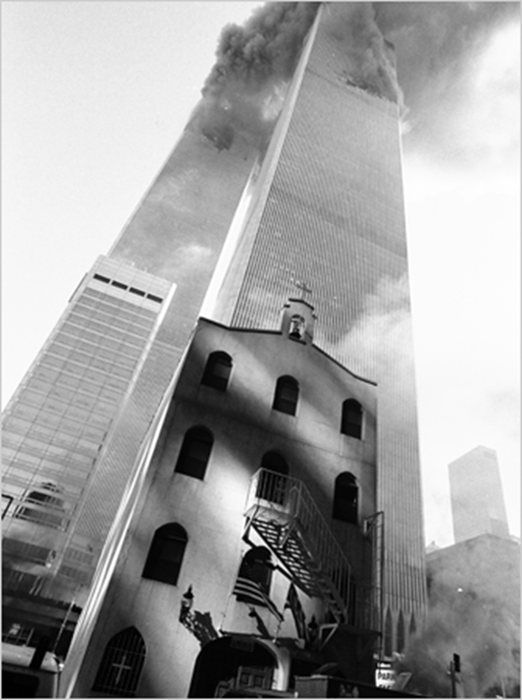
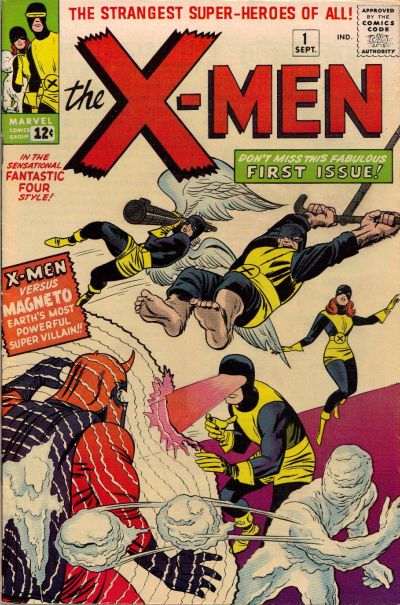
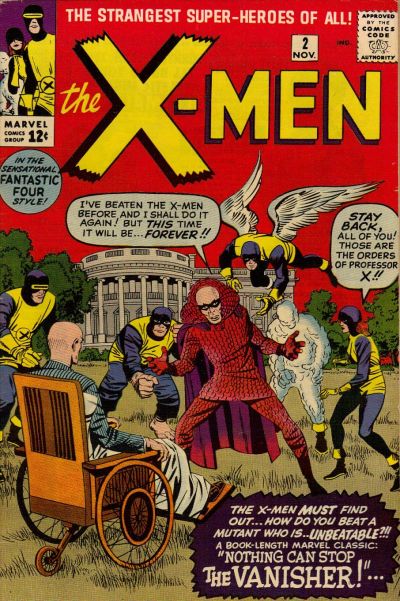
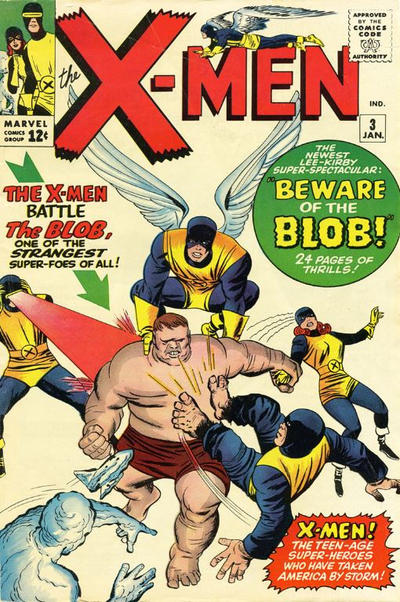
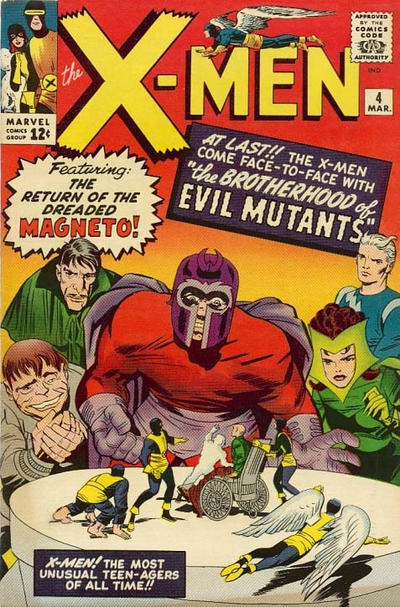
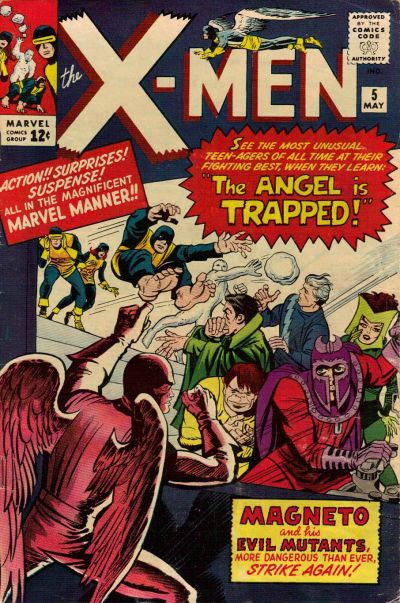


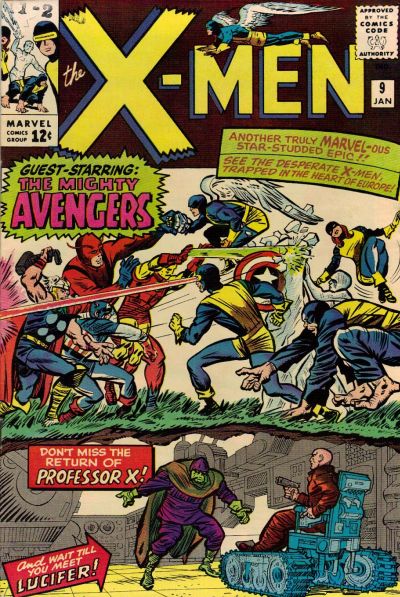

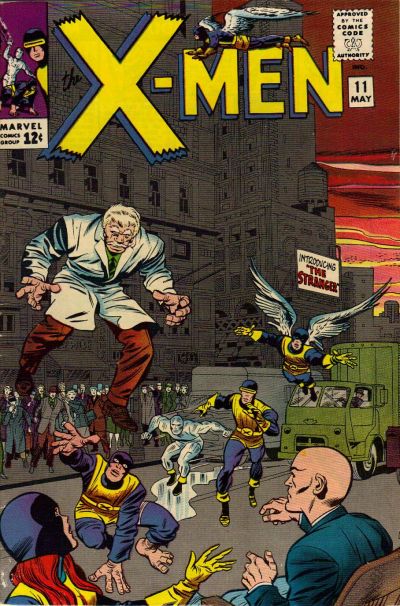


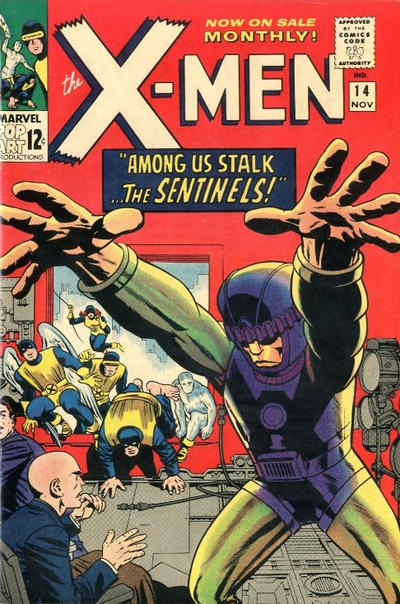
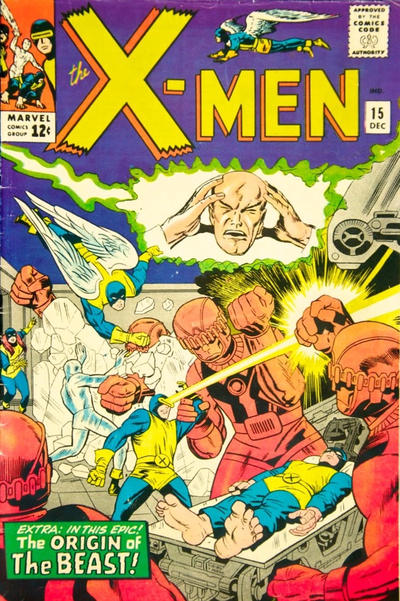

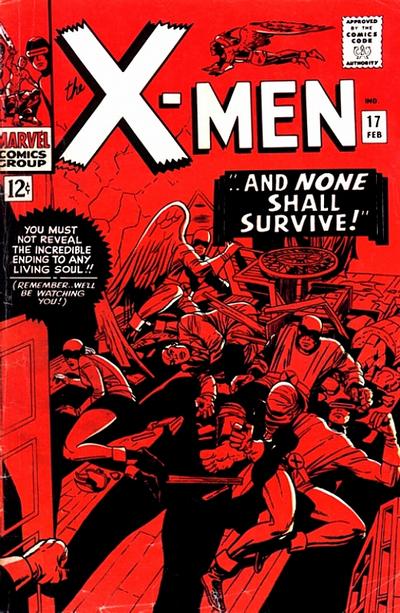
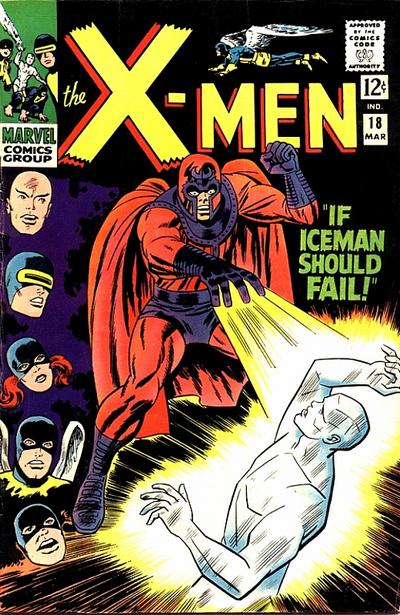

 Redeeming Pandora