
Erik Lang
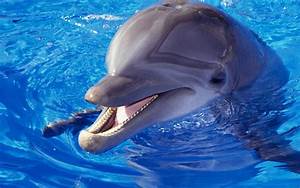
Consider the dolphin. We’ve all seen Flipper, the loveable rescue dolphin who fights crime and injustices upon his reef. We love the cheerful chips, whistles, and crackles made by this playful creature and oftentimes dream of blithely tossing fish into their appreciative open mouths. At least I do. But do we know everything about the dolphin? How has this animal impacted cultures of the past? How does the dolphin behave with the rest of the world? What is the dolphin exactly? Let’s find out.
To begin this adventure, we must go back to ancient times. Dolphins make their way into many different societies like Greece, Hawaii, India, and the rest of the world. Dolphins are considered by many to be magical creatures, friends of the gods, and highly intelligent. The classic Greek myth of the dolphin begins when Dionysius, the god of wine and debauchery, is abducted by Etruscan pirates thinking him a rich prince whom they could ransom. After out at sea for a time, Dionysius caused grape vines to grow on the ships’ riggings he then used to make an obscene amount of wine. The wasted pirates were at the mercy of the god of wine. He turned the oars into serpents, frightening the pirates into the water where Dionysius left them to drown. The pitiful cries of the pirates softened Dionysius’ heart, so he changed them into dolphins. Ever since then, dolphins have been helpful creatures and friends of man, seeking to redeem themselves for angering Dionysius. The seafarers during the age of exploration considered the dolphins to be good fortune in travels. Dolphins oftentimes would leap around ships and guide them through unknown waters into safe harbors. In Minoan and Maori (Pacific Islander) myths, the dolphin was a messenger of the gods and is oftentimes seen on reliefs, murals, and pottery being ridden by ancient deities.
The average dolphin weighs between 440-660 pounds and is around eight feet in length. These specifications are pertinent to the bottle-nose dolphin, the one that is all gray and featured in the Flipper television series. There are actually forty different species of dolphins, all of which have differing weights and lengths but are close to the bottlenose dolphin. The smallest dolphin weighs about 90 pounds and is four feet long. About five species of dolphin live in fresh water sources; the rest in oceans. Dolphins are carnivores, eating mostly fish, squid, and some crustaceans. Luckily for the dolphin, no other ocean predator really pursues the dolphin as a food source. An occasional shark may get in a skirmish with one, but other than these few and far between instances, the dolphins lives a peaceful life free from worry. The largest cause of dolphin death is the human, in reality. Dolphins near Japan are killed for eating. The Japanese decimate Pacific dolphin populations frequently. Near the Balkan countries, native fishermen see dolphins as a competition for fish and a nuisance. Hundreds of dolphins in the area are killed and their fat used for oil. Dolphins are killed inadvertently by humans, too. Many get trapped in fishing nets, and some dolphins choke on waste thrown in the ocean.
Many scientists believe dolphins possess intelligence to rival men. This is dumb. It’s probably the same people who say monkeys are our cousins. Who’s in the cage/tank, then? But dolphins do have a higher intellect than most animals, capable of compassion, playful interaction, even vanity. Dolphins have a brain size relatively big for their body, bigger than a chimpanzee’s, for instance. Dolphins are able to mimic human gestures like waving. They also recognize commands and many words humans use after much repetition and respond by chirping, whistling, or whatever they do. There are countless cases of dolphins saving humans from drowning or even sharks. These heroic creatures seem to have an affinity for humans and crave their attention. In an experiment to test dolphin intelligence, marine biologists placed a mirror in a dolphin tank and watched the reactions of the animals. The dolphins immediately noticed their reflections and made faces at the mirror, blowing bubbles and doing somersaults. In a further experiment, scientists marked a dolphin with a marker its side and put it back in the tank. The dolphin immediately swam over to the mirror and stared at its new tattoo.
What many don’t realize is that the Orca (Killer Whale) is a member of the dolphin family. Orcas are more aggressive than dolphins. They hunt seals and even sharks and tend to swim in more open waters. These great mammals have absolutely no predators. Nothing hunts them, not even humans. Orcas have a similar relationship to humans as dolphins do. In SeaWorld, the Orca Shamu interacts with human trainers and members of the audience in fun shows. They do have a sort of affinity for humans, not to the extent of dolphins — but still very playful, nonetheless. Orcas are bigger and more powerful animals, and orcas do know it. Sometimes, orcas attack humans thinking them seals or out of frustration from excessive human dominance. There have been several cases of SeaWorld orcas attacking human trainers with some cases resulting in fatalities. The Killer Whale Kilitik has had three documented cases of killing trainers.
So I encourage all to find a dolphin somehow and play with it; the same for an orca, although that one may be more difficult. Wild dolphins don’t even run away from you, so there’s really no excuse, unless you can’t swim. Right here in the James River there are a veritable plethora of porpoises, a close cousin of the dolphin. They can be a viable substitute for the dog of the sea. It is an experience that cannot be rivaled. Pursue your passion, and experience the amazing companionship of the dolphin.
 Redeeming Pandora